





Practical information
The UK is the first State which formally applied to join the CPTPP. Its bid was accepted in early June.
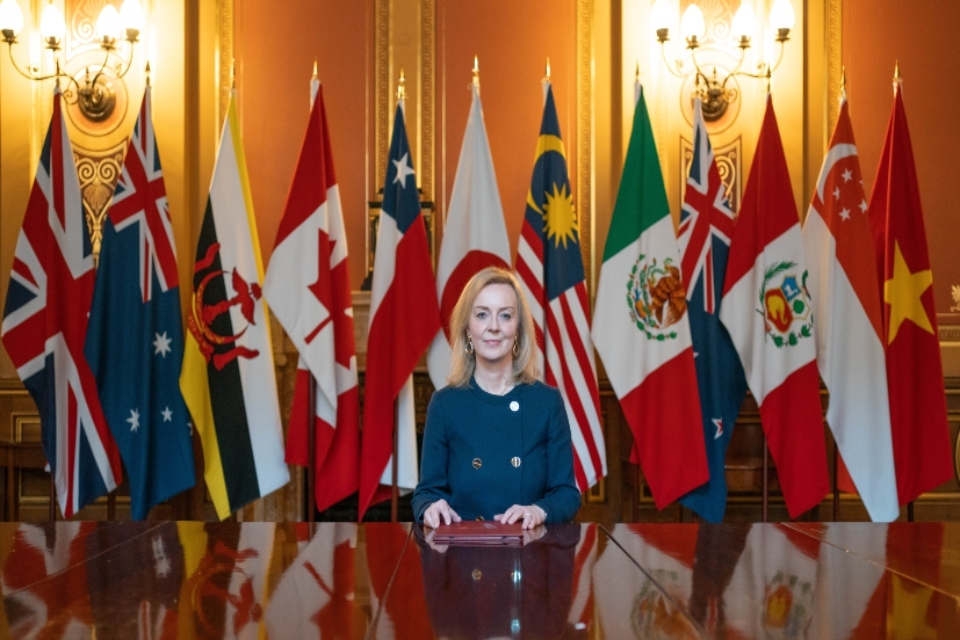
The UK’s accession to the deal would potentially be a major game changer, turning the CPTPP into a like-minded middle-power club that promotes liberal economic norms. As this year’s chair of the CPTPP commission, Japan is likely to be a key player in the negotiation. The implications of the UK’s accession will be wide-ranging for the CPTPP nations (and in particular for Japan), for the UK, for the EU and for the global trading system as a whole. This webinar will gather experts to compare notes on the UK’s accession to the CPTPP and its various implications.
The webinar will be held in English.
PROGRAMME
Chair: Françoise NICOLAS, Director, Center for Asian Studies, Ifri
- Minako MORITA-JAEGER, Senior Research Fellow in International Trade, University of Sussex Business School; Policy Research Fellow, UK Trade Policy Observatory
- Erik VAN DER MAREL, Economist at European Center for International Political Economy (ECIPE)
- Rohini ACHARYA, Chief of the Regional Trade Agreements Section, Trade Policies Review Division, World Trade Organization
Other events
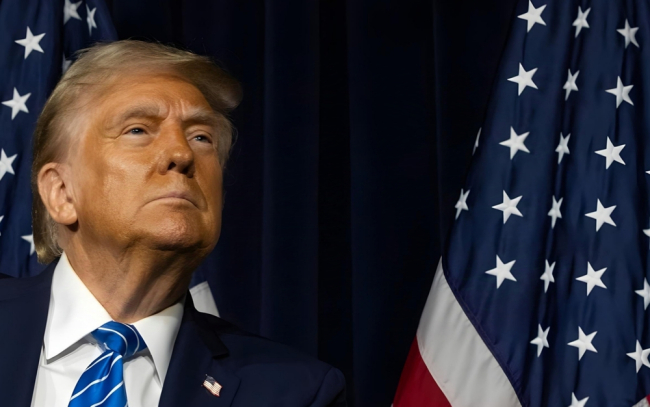
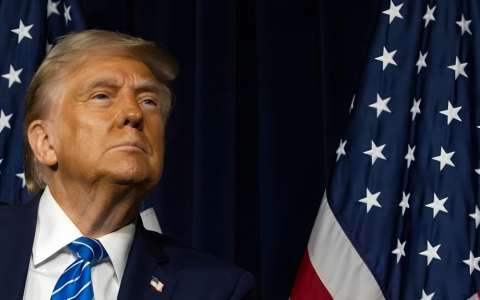
One Month Ahead of the Midterms: Where Is Trump’s America Headed?
The 24th edition of the Ifri Americas Programme Annual Conference will examine the dynamics at play in the United States and their implications for Europe and the transatlantic relationship. will examine the dynamics at play in the United States and their implications for Europe and the transatlantic relationship.
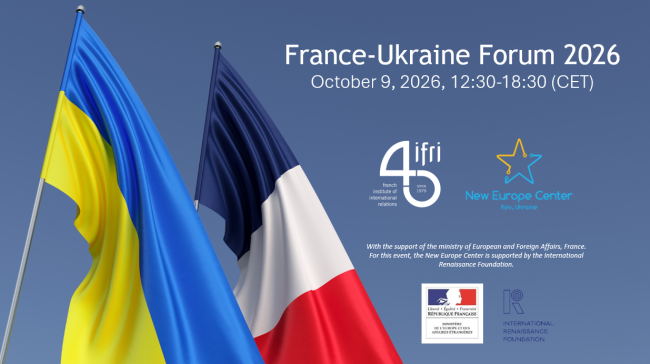
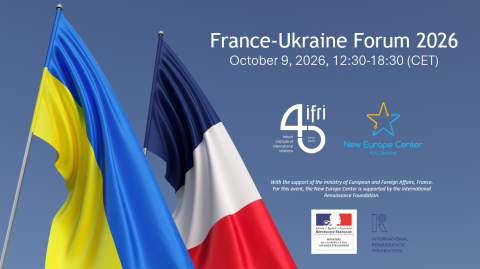
France-Ukraine Forum 2026
More than four and a half years after the start of the full-scale war launched by Russia against Ukraine, the 2026 France-Ukraine Forum will bring together policymakers, experts, academics, and civil society representatives from both countries to discuss three main topics: the formats and conditions for a lasting diplomatic settlement; Ukraine’s Euro-Atlantic integration, encompassing both the EU accession process and closer ties with NATO; and the societal transformations of postwar Ukraine, as well as its prospects for reconstruction.
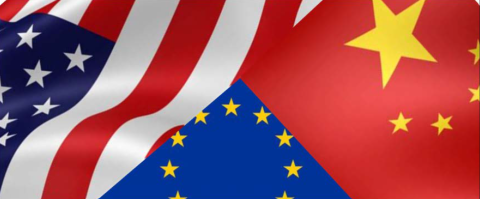
The EU in a World of Economic Warfare: Trade, Geopolitics, and the Battle for Economic Sovereignty
The international trading system has become a primary theatre of geopolitical competition. Tariffs, sanctions, and technology controls have replaced dialogue as the default instruments of economic relations.