




From Crisis to Peace-making in Korea: President Moon Jae-in’s peace initiative

Practical information
What is the prospect of peace and stability on the Korean Peninsula in 2019? A debate with Moon Chung-in, special advisor for unification and national security affairs to ROK President Moon Jae-in.
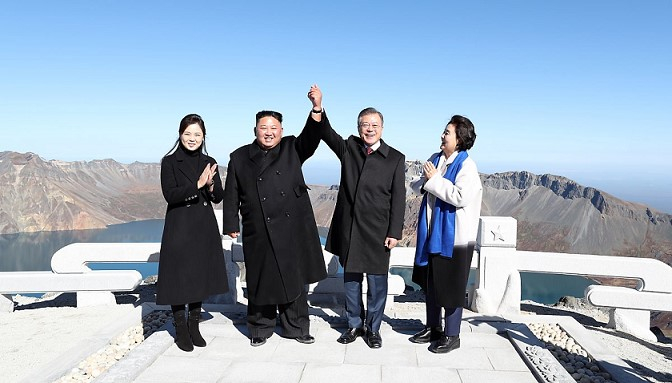
Last year witnessed a geopolitical seism with three inter-Korean summits and the historic US-North Korea summit in Singapore. In the process, the tensions that increasingly risked boiling over into war were significantly eased and inter-Korean exchanges have been expanding, with Kim Jong-un expressing a willingness to denuclearize. Will such breakthroughs lead the Peninsula to finally achieve denuclearization and a lasting peace? There is still a long way to go. What are the key issues that need to be addressed, and what are the prospects of another summit between Kim Jong-un and Donald Trump and a historic visit of the North Korean leader to South Korea? With South Korea playing a pivotal role, what is the strategy of ROK President Moon Jae-in?
Speaker:
Moon Chung-in is special advisor for unification and national security affairs to the ROK president. He is also distinguished university professor at Yonsei University, Krause distinguished fellow at the School of Global Policy and Strategy at the University of California, San Diego, and editor-in-chief of Global Asia, a quarterly journal in English. He was Dean of the Graduate School of International Studies, Yonsei University and served as Ambassador for International Security Affairs of the Korean Ministry of Foreign Affairs, and Trade and Chairman of the Presidential Committee on Northeast Asian Cooperation Initiative, a cabinet-level post.
Chair:
Françoise Nicolas, Director, Center for Asian Studies, Ifri
Other events
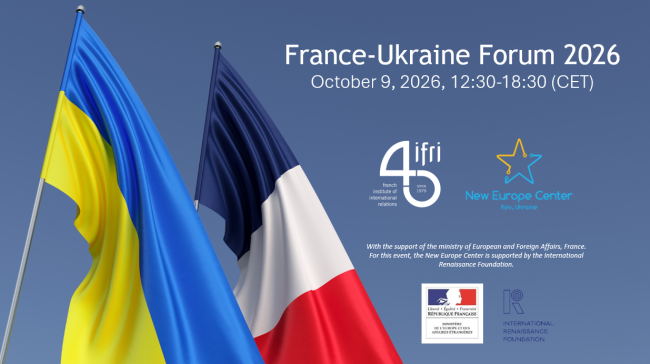
France-Ukraine Forum 2026
More than four and a half years after the start of the full-scale war launched by Russia against Ukraine, the 2026 France-Ukraine Forum will bring together policymakers, experts, academics, and civil society representatives from both countries to discuss three main topics: the formats and conditions for a lasting diplomatic settlement; Ukraine’s Euro-Atlantic integration, encompassing both the EU accession process and closer ties with NATO; and the societal transformations of postwar Ukraine, as well as its prospects for reconstruction.
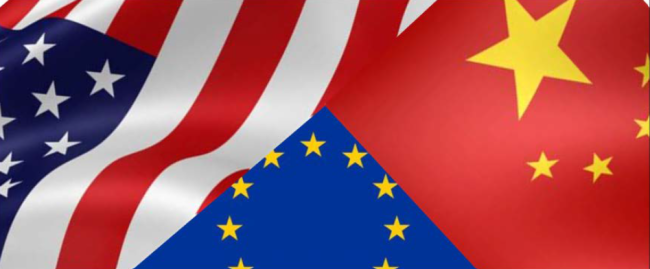
The EU in a World of Economic Warfare: Trade, Geopolitics, and the Battle for Economic Sovereignty
The international trading system has become a primary theatre of geopolitical competition. Tariffs, sanctions, and technology controls have replaced dialogue as the default instruments of economic relations.
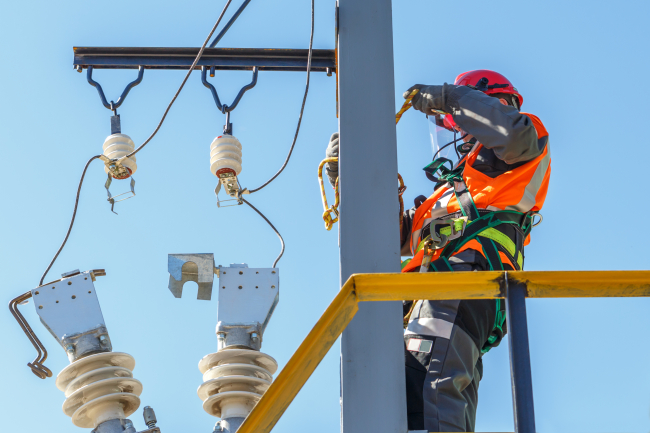
The Road to 27 Electrification Action Plans: Planning and Investing in Europe’s Electric Future
The European Commission’s Electrification Action Plan places the continent on an electric path to structurally reduce dependence on fossil fuel imports and boost the energy transition in industry, transport and buildings.