



Practical information
As part as the Ifri Energy Breakfast Roundtable series, a seminar with :
Mustapha Faid, Former Vice-President of Sonatrach, President of SPTEC Advisory
Ahmed Mecheraoui, Advisor to the Algerian Minsiter of Energy and Mining
Francis Perrin, President, Le Pétrole et le gaz arabes
Olivier Silla, Deputy Head of Unit, International Relations and Enlargement, DG Energy, European Commission
Chaired by Cécile Maisonneuve, Director of the Center for Energy, iIfri and Jacques Lesourne, President of the scientific Committee of the Center for Energy, Ifri.
Thanks to the Hassi Messaoud oil field discovered in the 50", Algeria is the oldest producer of hydrocarbons in Africa along with Nigeria and Gabon. Still the first exporter of gas and the third of oil within the continent, the country remains a very key supplier for UE countries, with which it is connected through a wide network of gas pipelines.
However, since a decade, concerns have appeared regarding Algeria"s oil and gas long term production. The 2005 oil and gas law contributed to the failure of all the bids offering exploration blocks. The national utility Sonatrach is handling most of the current exploration whereas private firms already active on the ground seem to lower their investment. Moreover, the recent attack of In Amenas gas site in the Algerian Sahara which led to the death of dozens of Algerian and foreign oil workers damaged deeply, and for a long time, the image of a safe producing country.
The seminar will try and assess the current situation of the oil & gas sectors in Algeria, as well as highlight the main ongoing projects and long term perspective. What are the weaknesses of the current regime regarding the legislation of hydrocarbons and the new security issues? What role for Algeria in supplying EU countries, after the recent signing of a memorandum of understanding on energy between the European Commission and the prime minister of Algeria?
Other events
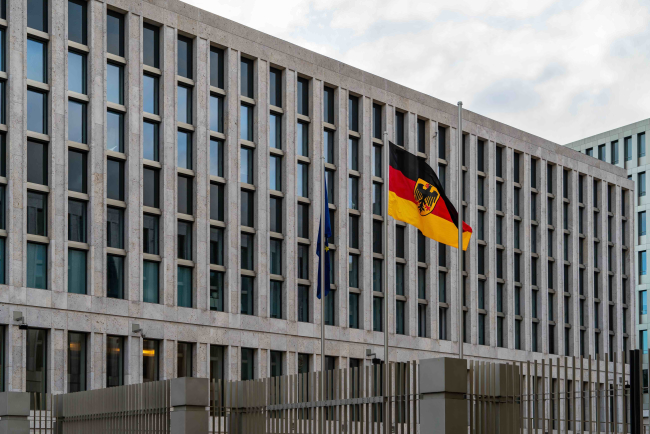
Role of Intelligence for Political Decision Making
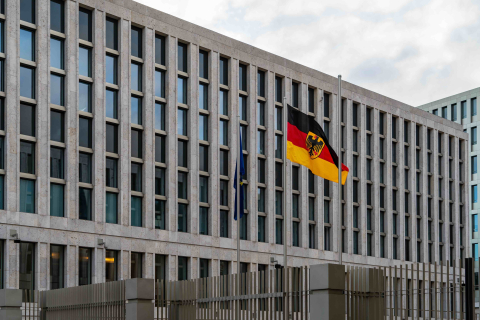
As part of the intelligence-focused BBS, organized in partnership with the Intelligence College in Europe, Ifri welcomes Mr. Philipp Wolff, Coordinator of the German Federal Intelligence services at the Federal Chancellery.
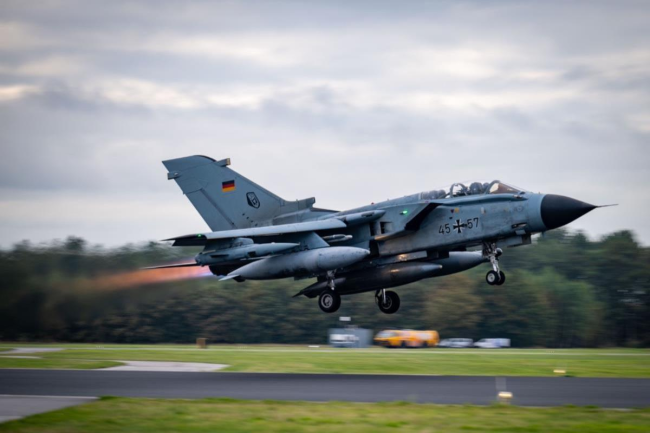
Nuclear Sharing in Europe: A Contested Policy That Endures
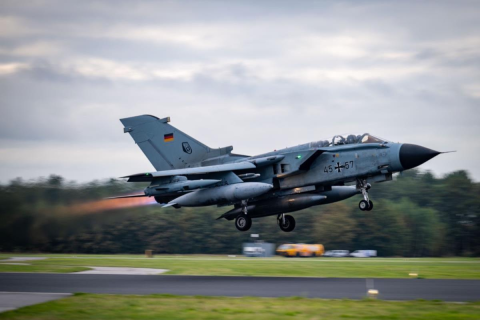
Since the end of the Cold War, the number of US nuclear weapons stationed in Europe has fallen more than seventy-fold, yet their presence in Belgium, Germany, Italy, the Netherlands, and Turkey remains a quiet pillar of NATO's deterrence posture. This "nuclear sharing" arrangement, central to the Alliance since its founding, has long been contested by public opinion, political parties, and civil society across Europe, without ever being abandoned by host governments. This paradox lies at the heart of the seminar: why does such an unpopular policy persist?