




The Role of Intelligence in Political Decision Making
Brown Bag Seminar Series
Practical information
Accessibility
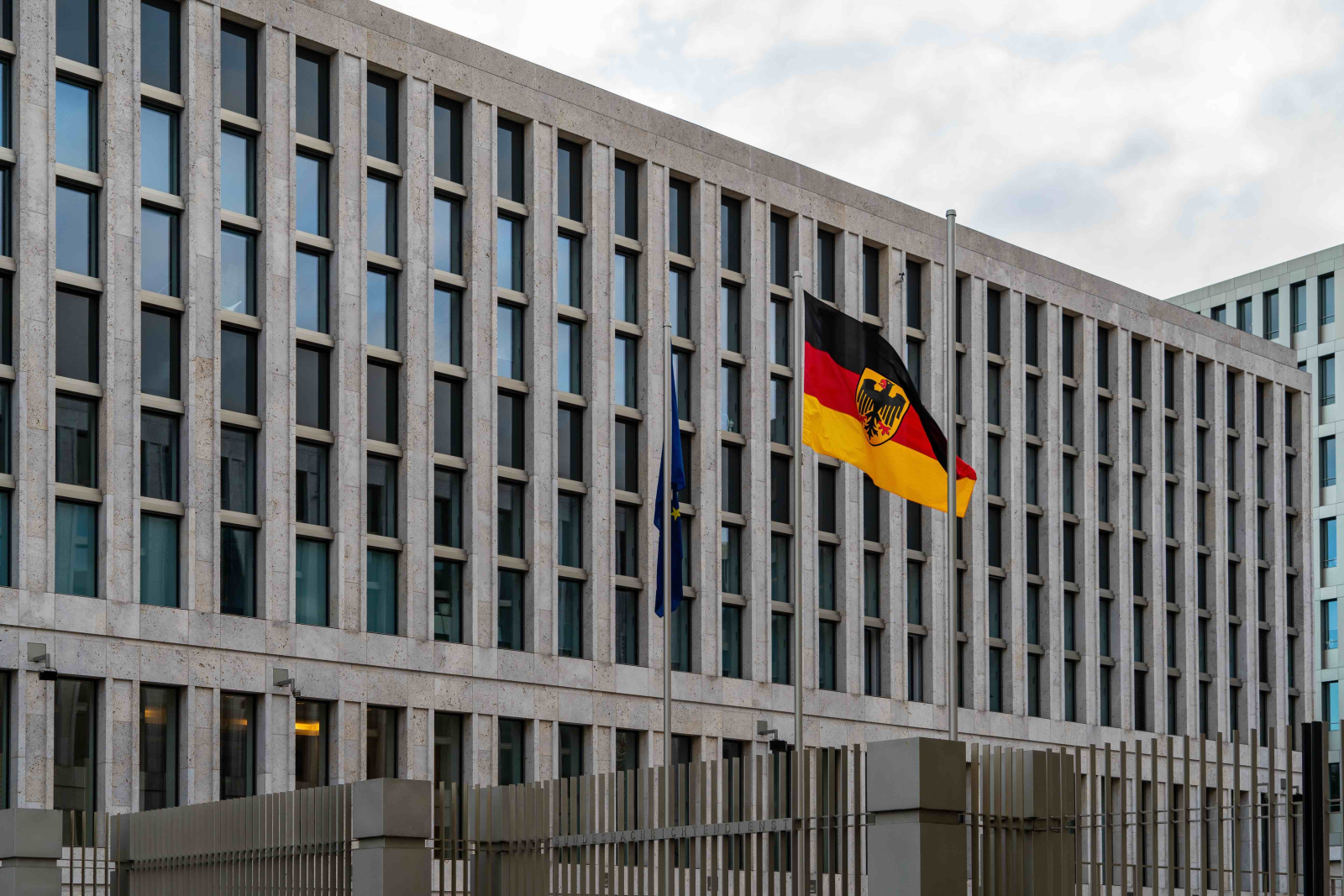
As part of the intelligence-focused BBS, organized in partnership with the Intelligence College in Europe, Ifri welcomes Mr. Philipp Wolff, Coordinator of the German Federal Intelligence services at the Federal Chancellery.
In the context of the rapidly evolving security landscape and the ongoing Russian war of aggression against Ukraine, Mr. Wolff will explore the vital interplay between science and intelligence services, examining the specific added value of intelligence in modern statecraft. He will address how the government’s information needs can best be covered and analyze the benefits and limitations of cooperation between intelligence services, academia, and private companies.
Panelists:
- Philipp Wolff, Coordinator of the German Federal Intelligence services
- Marc Hecker, Executive Director, Ifri
- Marie Krpata, Research Fellow, Study Committee on Franco-German Relations (Cerfa), Ifri
Chair:
- Thomas Gomart, Director, Ifri
This conference will be held under the Chatham House Rule.
Contact
Lucie MIELLE
Project Officer to the Director, Ifri

Find out more
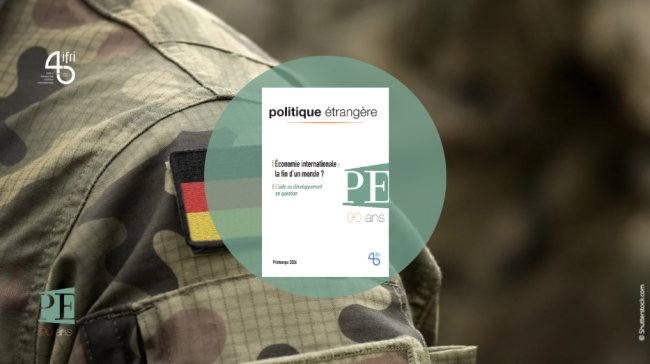
Germany: The Return of Military Service?
Abolished in 2011, conscription returned to Germany in 2025, albeit in a new, voluntary form. The decision in 2011 was broadly supported. Public opinion, like the political sphere, is more divided now. The reintroduction of voluntary service for men reflects the demands of the geopolitical landscape and the Bundeswehr’s need for troops. It remains to be seen whether the model chosen will fulfill the requirements of defense chiefs.
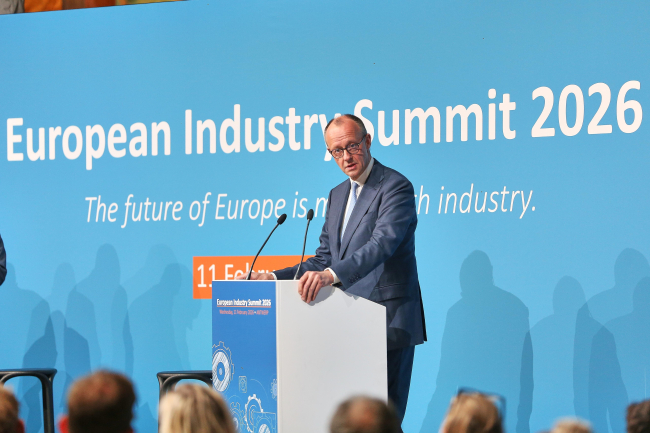
Reviving the German Economy: Balancing Economic, Social, and Defense Priorities
Germany is facing fundamental challenges to its economic and social model and is seeking a new course. The German post-war model was hugely successful, leading to economic strength and prosperity over many decades, but now it is steadily faltering. The previously latent fear of deindustrialization is becoming more concrete, particularly due to the weakening of a key sector: the automotive industry.