



Practical information
Assessing the state of democracy in Asia is a challenge. While some countries, such as Japan and India, have been showing the way from early days, some others, such as in Southeast Asia are still struggling to ensure stable and sustainable democratic institutions and practices.
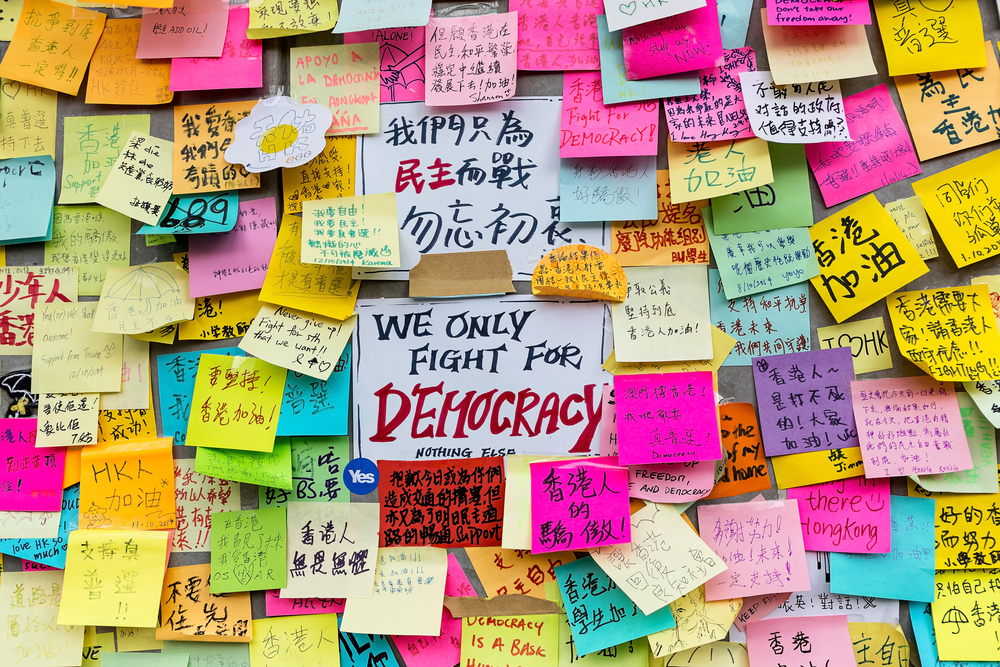
Several competing visions and approaches to democracy also coexist in Asia. The case of Hong Kong exemplifies the tensions and frictions between vibrant calls for liberal democracy and pushes to promote a more authoritarian political system. Finally, the discussion will also involve the European model of democracy and the potential role for influencing Asian good practices.
PROGRAMME
9:30-11:30: Asian democracy: models, experiences and challenges
Chair: Françoise Nicolas, Director, Center for Asian Studies, Ifri
- The Japanese democratic model: experience and responsibility for the future,
Kaoru Iokibe, University of Tokyo - The Chinese culture and democracy: The Hong Kong experience between Beijing and Taipei,
Steve Tsang, Director, SOAS China Institute, SOAS University of London - Progresses and Challenges to Democracy in Southeast Asia,
Sophie Boisseau du Rocher, Associate Research Fellow, Ifri - Indian democracy and legacy for the region,
Zorawar Daulet Singh, CPR, New Delhi
Discussants:
- Ken Endo, Hokkaido University
- Alice Ekman, Head of China research, Center for Asian Studies, Ifri
Q/A Session
11:30-12:00- Concluding Remarks: The European model and the democracy in Asia
- Richard Youngs, Carnegie Europe
Other events
What Foreign Policy in a Diplomatic System in Disruption?
The international order established in the aftermath of the Second World War is undergoing a profound transformation.