




Practical information
The African Studies Center of the French Institute of International Relations and the Institute for Strategic Research at the Military School are co-organizing a videoconference about the current political crisis in Ethiopia. The event will be held in English.
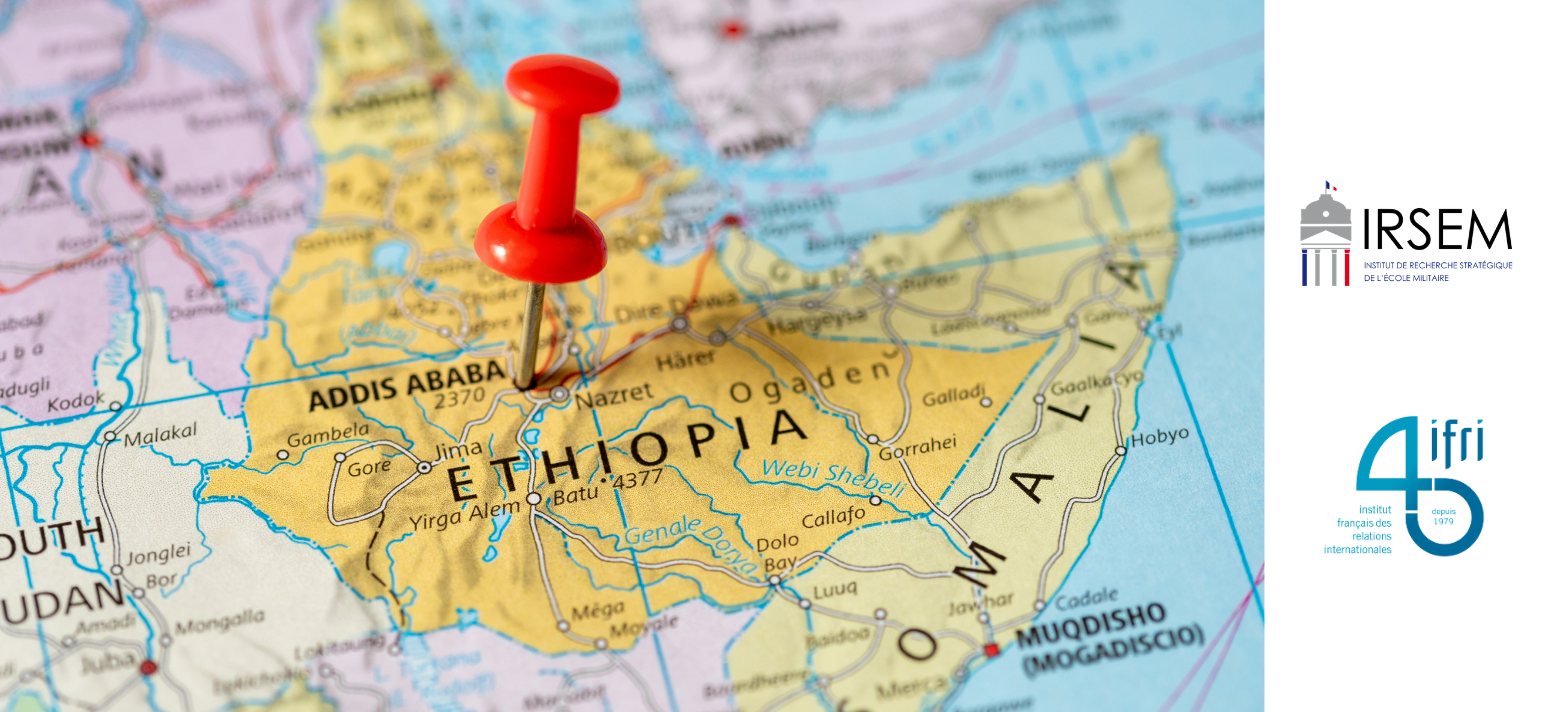
This webinar aims to shed light on the ongoing conflict in Ethiopia.
The hope for peace that arose from the appointment of Prime Minister Abiy Ahmed is fading. The holding of regional elections by the authorities of the Tigray Province, thus challenging the central power, was followed by the intervention of Ethiopian forces against the regional power. Despite the establishment of an interim administration and the official end of hostilities in November 2020, the Tigrayans are not backing down and the conflict is bogged down. Combined with other factors, the sense of marginalization in the Tigray Province has fueled a crisis that has rapidly internationalized and is impacting neighboring countries as well as the entire Horn of Africa region.
The discussion will revolve around the following questions: What spaces for internal negotiations can help reduce tensions and violence? How are Ethiopia's various neighbors positioned in relation to this conflict? What are the implications of the conflict for the region’s development?
Restricted event. By invitation only.
Moderation: Sina Schlimmer, researcher at the African Studies Center of IFRI and Anne-Laure Mahé, researcher at IRSEM
Speakers :
- William Davison, Senior Analyst for Ethiopia, International Crisis Group (ICG)
- Sonia Le Gouriellec, Lecturer, Catholic University of Lille
- Jean-Philippe Rémy, Head of the Africa Bureau, Le Monde
- Caroline Rivery, Analyst and Political advisor
Find out more
L'Éthiopie sous Abiy Ahmed, quelles orientations économiques ?
3 questions à Clélie Nallet, chercheur au Centre Afrique subsaharienne de l'Ifri.
State of Emergency in Ethiopia: New Far East, Old Far West
Up until recently, little attention has been paid to the crisis which the Ethiopian regime has nonetheless been sinking into for more than two years. The rare spotlights focused on this country have praised its economic performance, describing it as a new “Far East” or even an “African lion”. The violence and imprisonment aimed at activists, journalists, and a good many citizens have remained hidden.
Other events
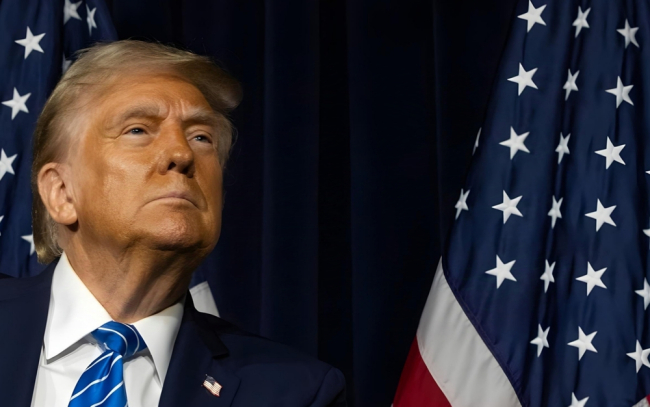
One Month Ahead of the Midterms: Where Is Trump’s America Headed?
The 24th edition of the Ifri Americas Programme Annual Conference will examine the dynamics at play in the United States and their implications for Europe and the transatlantic relationship. will examine the dynamics at play in the United States and their implications for Europe and the transatlantic relationship.
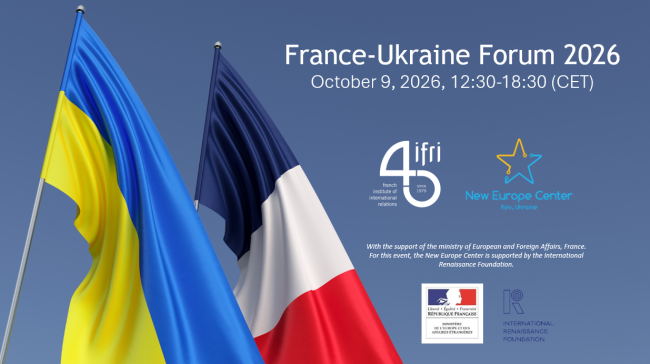
France-Ukraine Forum 2026
More than four and a half years after the start of the full-scale war launched by Russia against Ukraine, the 2026 France-Ukraine Forum will bring together policymakers, experts, academics, and civil society representatives from both countries to discuss three main topics: the formats and conditions for a lasting diplomatic settlement; Ukraine’s Euro-Atlantic integration, encompassing both the EU accession process and closer ties with NATO; and the societal transformations of postwar Ukraine, as well as its prospects for reconstruction.
The EU in a World of Economic Warfare: Trade, Geopolitics, and the Battle for Economic Sovereignty
The international trading system has become a primary theatre of geopolitical competition. Tariffs, sanctions, and technology controls have replaced dialogue as the default instruments of economic relations.