




Practical information
On May 27-28, Japan will host the G7 Summit in Mie Prefecture. This year’s summit will be the occasion not only for Japan but also for European countries to demonstrate leadership on a number of global and regional issues. One challenge is the future of global governance, as the Bretton Woods system and institutions are increasingly challenged by rising powers that uphold different visions of international order and norms. Another issue is geopolitical tensions resulting from increased competition between different geostrategic and geo-economic projects.
This seminar will feature three prominent experts from Japan and France who will share their visions of the world order and global challenges, in the light of the next G7 Summit.
Chair and moderator:
Thomas GOMART, Director of Ifri.
Speakers:
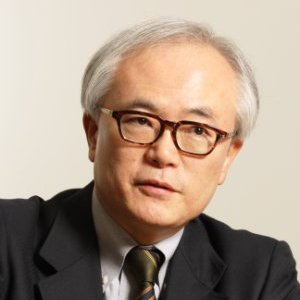
Tomohiko TANIGUCHI, Special Adviser to the Cabinet of Prime Minister Shinzo Abe; Professor, Keio University Graduate School of System Design and Management.
Françoise NICOLAS, Director of the Center for Asian Studies, Ifri.
The conference will be held in English.
Other events
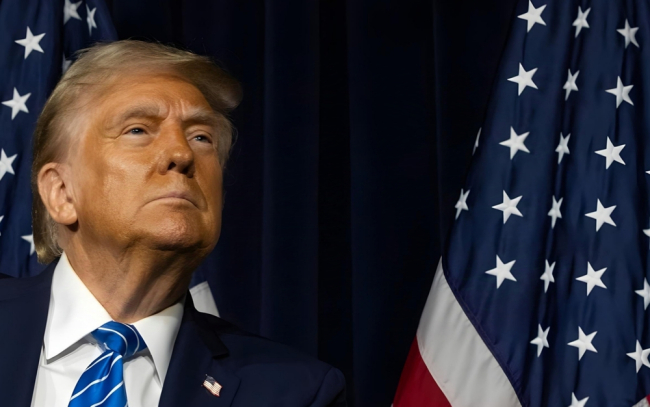
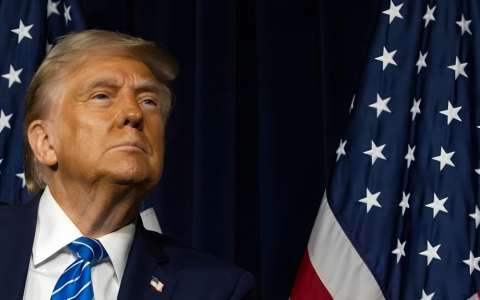
One Month Ahead of the Midterms: Where Is Trump’s America Headed?
The 24th edition of the Ifri Americas Programme Annual Conference will examine the dynamics at play in the United States and their implications for Europe and the transatlantic relationship. will examine the dynamics at play in the United States and their implications for Europe and the transatlantic relationship.
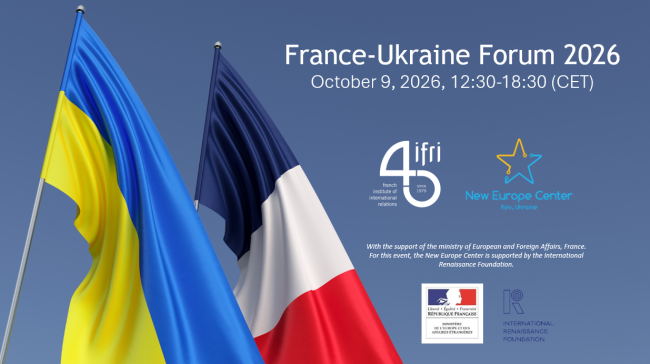
France-Ukraine Forum 2026
More than four and a half years after the start of the full-scale war launched by Russia against Ukraine, the 2026 France-Ukraine Forum will bring together policymakers, experts, academics, and civil society representatives from both countries to discuss three main topics: the formats and conditions for a lasting diplomatic settlement; Ukraine’s Euro-Atlantic integration, encompassing both the EU accession process and closer ties with NATO; and the societal transformations of postwar Ukraine, as well as its prospects for reconstruction.
The EU in a World of Economic Warfare: Trade, Geopolitics, and the Battle for Economic Sovereignty
The international trading system has become a primary theatre of geopolitical competition. Tariffs, sanctions, and technology controls have replaced dialogue as the default instruments of economic relations.