





Practical information
Conference organised by the IFRI and the CEPII around Jeffry A. Frieden, Professor, Department of Government, Harvard University. Moderator: Jacques Mistral, Head of Economic Studies, IFRI. Discussants: Patrick Allard, Counsellor, Centre for Analysis & Forecasting, French Ministry of Foreign and European Affairs and Gunther Capelle-Blancard, Deputy-Director, CEPII.
Conference in english
Global macroeconomic imbalances were a major cause of the current crisis, and attempts to deal with them are certain to create powerful national and international tensions. What are those tensions likely to be, and what do they tell us about prospects for the future? Rebalancing of growth, then, raises again the problem of winners and losers. The structure of interests in the major societies will change as their economic orientation changes. How can governments facilitate positive changes and strengthen an international environment in which cooperation among the major powers takes place?
Other events
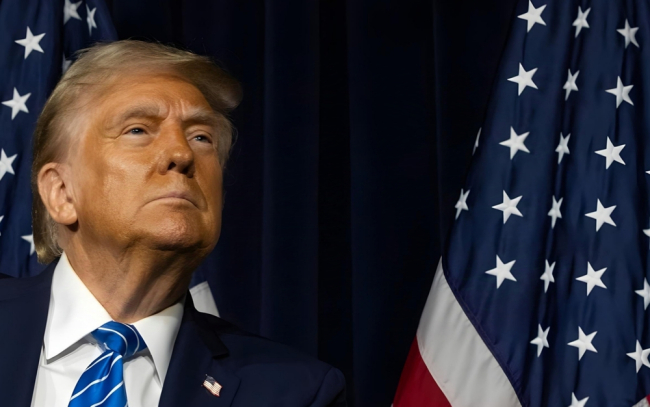
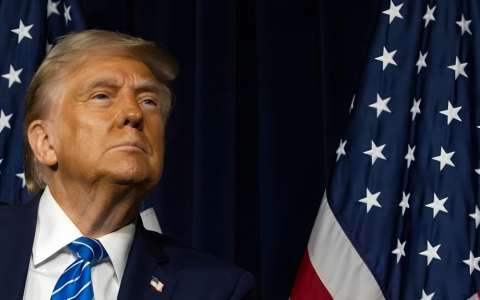
One Month Ahead of the Midterms: Where Is Trump’s America Headed?
The 24th edition of the Ifri Americas Programme Annual Conference will examine the dynamics at play in the United States and their implications for Europe and the transatlantic relationship. will examine the dynamics at play in the United States and their implications for Europe and the transatlantic relationship.
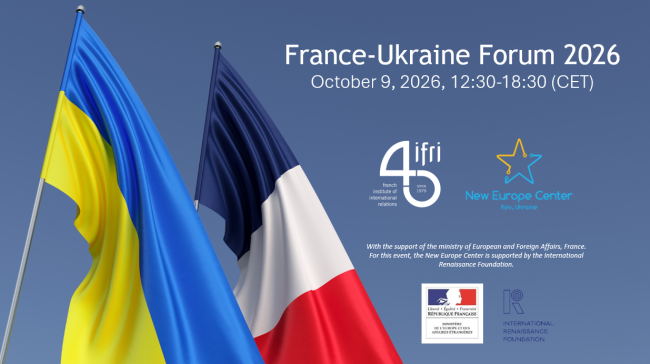
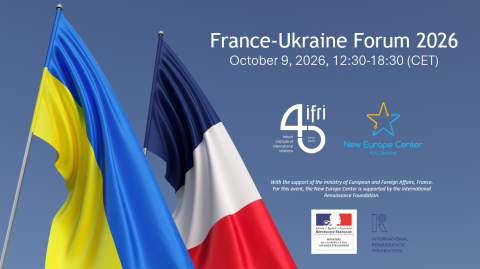
France-Ukraine Forum 2026
More than four and a half years after the start of the full-scale war launched by Russia against Ukraine, the 2026 France-Ukraine Forum will bring together policymakers, experts, academics, and civil society representatives from both countries to discuss three main topics: the formats and conditions for a lasting diplomatic settlement; Ukraine’s Euro-Atlantic integration, encompassing both the EU accession process and closer ties with NATO; and the societal transformations of postwar Ukraine, as well as its prospects for reconstruction.
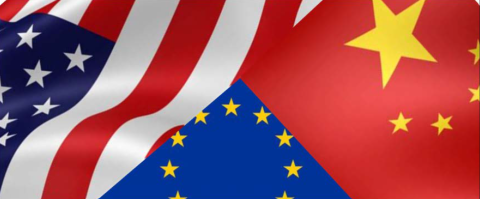
The EU in a World of Economic Warfare: Trade, Geopolitics, and the Battle for Economic Sovereignty
The international trading system has become a primary theatre of geopolitical competition. Tariffs, sanctions, and technology controls have replaced dialogue as the default instruments of economic relations.