






Practical information
Themes and regions
Related centers and programs
This is a private event.
Learn more about our corporate support packagesThe National Security Law that entered into force in Hong Kong on 30 June is a game changer for the city. How are Hong Kong's authorities adjusting? How might this impact Hong Kong's role as a bridge to China and a major international financial center?
A closed-door, virtual discussion with
Matthew Cheung, GBM, GBS, JP
Chief Secretary for Administration of the Hong Kong SAR Government,
With analysis from
- Alicia Garcia-Herrero, Chief Economisnt for Asia-Pacific, Natixis, and Senior Fellow, Bruegel
- Marc Julienne, Head of China research, Center for Asian Studies, Ifri
Chaired by
Françoise Nicolas, Director, Center for Asian Studies, Ifri
Find out more
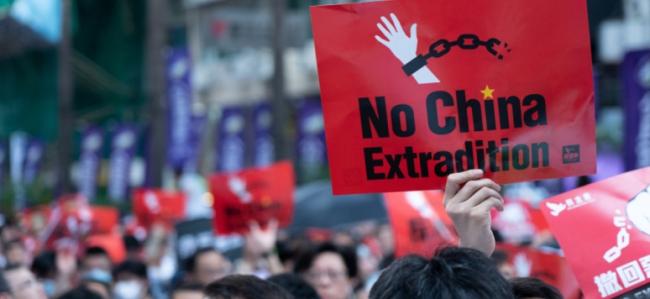
Hong Kong : The 2019 Protest Movement and the Future of Autonomy
The current protest movement in Hong Kong, which began with the proposed extradition law in June 2019 that would have considerably weakened the judicial border between Hong Kong and Mainland China, has set itself apart from the city’s numerous movements in recent years by its massive following. The protestors, who employ original strategies (online organization, absence of clear leadership, use of digital tools), achieved an initial success with the suspension of the proposed law in September. But even after the law’s withdrawal, massive protests and increasing acts of violence continued to grip the territory. Demands now center around an independent investigation into acts of police violence and on the revival of democratic reforms.
Related Subjects
Other events
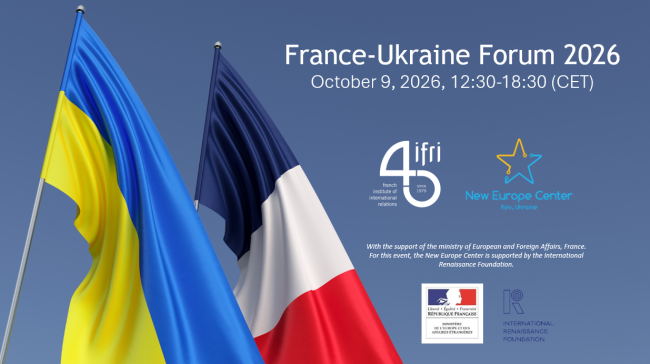
France-Ukraine Forum 2026
More than four and a half years after the start of the full-scale war launched by Russia against Ukraine, the 2026 France-Ukraine Forum will bring together policymakers, experts, academics, and civil society representatives from both countries to discuss three main topics: the formats and conditions for a lasting diplomatic settlement; Ukraine’s Euro-Atlantic integration, encompassing both the EU accession process and closer ties with NATO; and the societal transformations of postwar Ukraine, as well as its prospects for reconstruction.

The EU in a World of Economic Warfare: Trade, Geopolitics, and the Battle for Economic Sovereignty
The international trading system has become a primary theatre of geopolitical competition. Tariffs, sanctions, and technology controls have replaced dialogue as the default instruments of economic relations.
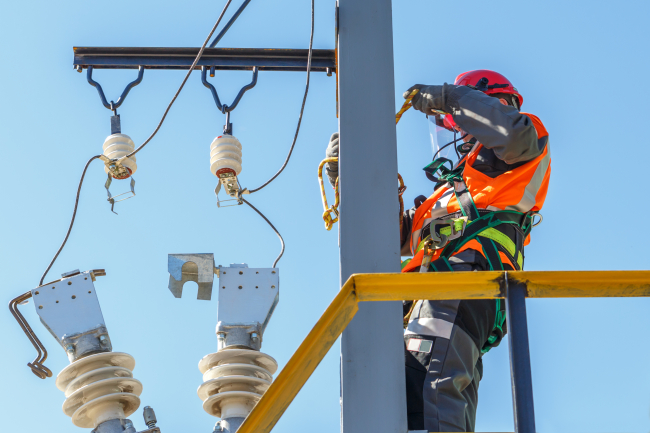
The Road to 27 Electrification Action Plans: Planning and Investing in Europe’s Electric Future
The European Commission’s Electrification Action Plan places the continent on an electric path to structurally reduce dependence on fossil fuel imports and boost the energy transition in industry, transport and buildings.