





Practical information
Themes and regions
Related centers and programs
For Europe to reach climate neutrality by 2050, the European Commission (EC) expects offshore wind capacity to go from 23 GW today to up to 450 GW, with half of this capacity to be installed in the North Sea, the pioneer region with still large untapped wind resources.
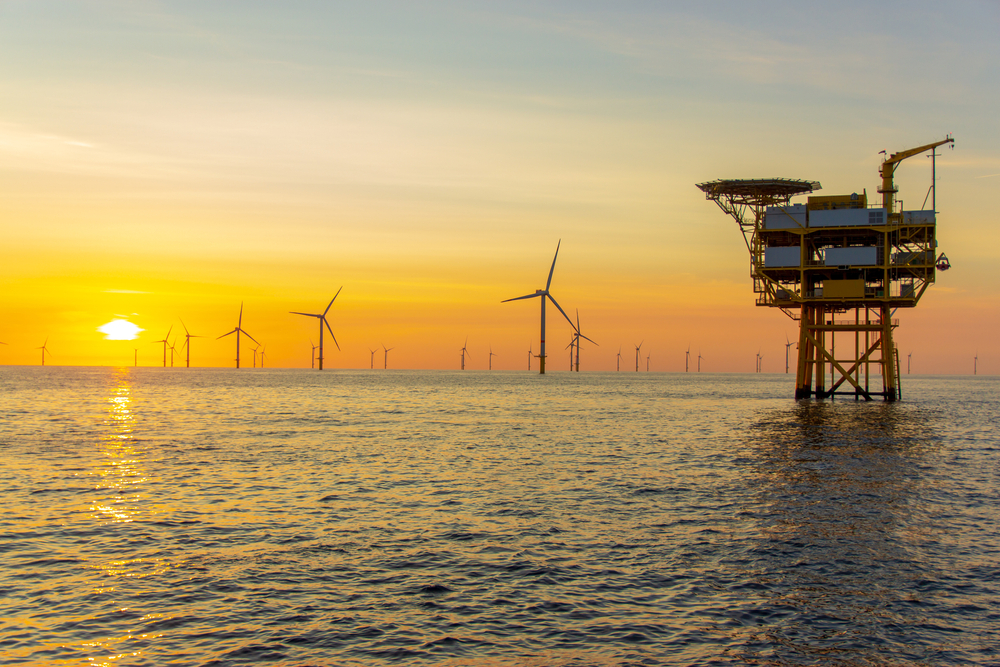
Despite uncertainties on post-Brexit trading & political arrangements, neighbouring countries and industry stakeholder are actively working on solutions to optimise generation and grid investments and they are also exploring visionary concepts around interconnectors, power-to-X technologies and system integration.
In the context of the upcoming release of the EC strategy on offshore renewable energies, this webinar aims to discuss progress made in developing the North Sea’s offshore wind potential and to highlight promising options to facilitate cross-border projects.
Chair: Marc-Antoine Eyl-Mazzega, Director, Center for Energy & Climate, Ifri
- Christopher Fox, Head of Europe and Offshore Wind, Department for Business, Energy & Industrial Strategy, United-Kingdom
- Cédric Le Bousse, Director Marine Renewable Energies France, EDF
- Thierry Kalfon, Managing Director Renewables Global Business Line, ENGIE
- Jasper Vis, Workstream Lead for North Sea Wind Power Hub, TenneT
Moderation: Carole Mathieu, Head of EU Energy & Climate Policies, Ifri
This webinar will be held in English.
Find out more
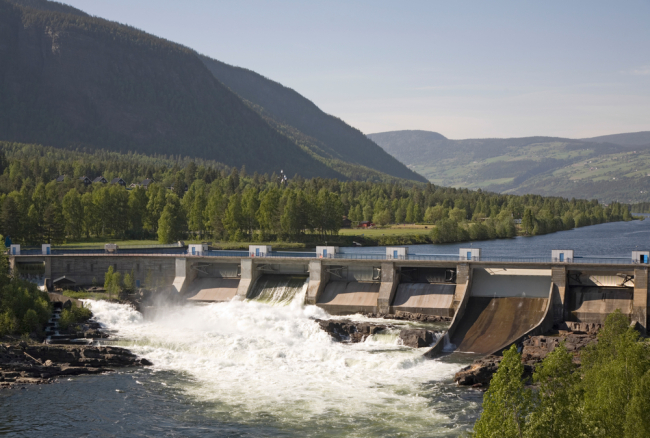
Norway as a Decarbonization Hub for the European Union
The European Union (EU) is committed to reach climate neutrality by 2050. Similarly, Norway aims to create a zero-emission society by that same year.
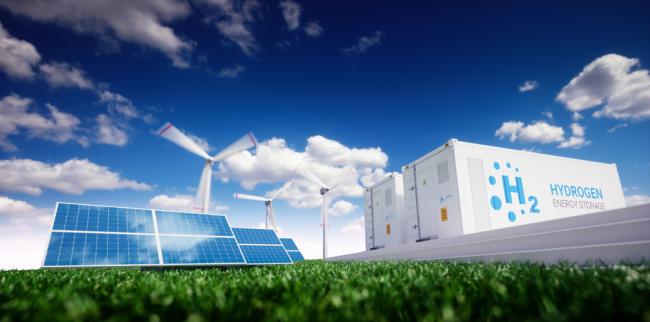
Perspectives on a Hydrogen Strategy for the European Union
There is now a wide understanding that larger use of clean hydrogen in future can be an important mean to achieve decarbonisation of the European economy.
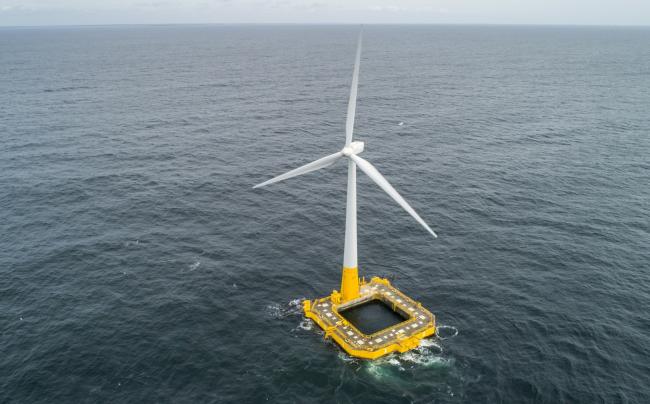
Offshore Wind Power Floating in its Industrial and Technological Dimension
Europe has become a frontrunner in fixed offshore wind. Can this success story be replicated with floating offshore wind, a technology that would lift the sea depth constraint and thus open up wider market opportunities? This research study looks at the main success factors for this emerging industry.
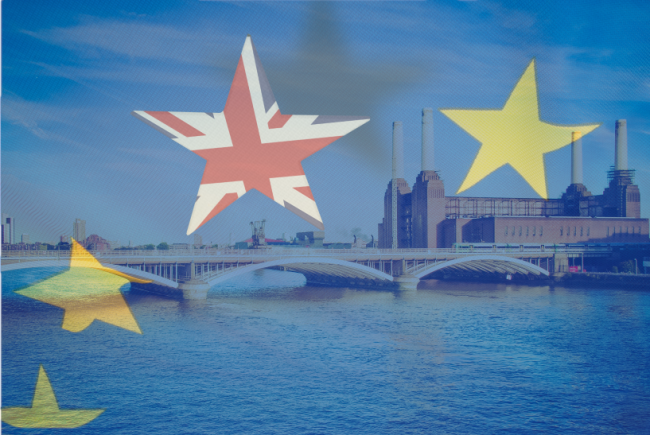
Brexit, Electricity and the No-Deal Scenario: Perspectives from Continental Europe, Ireland and the UK
When it comes to energy and electricity in particular, there can be no winner in the Brexit negotiations. The only reasonable objective should be to minimise losses and avoid trade friction.
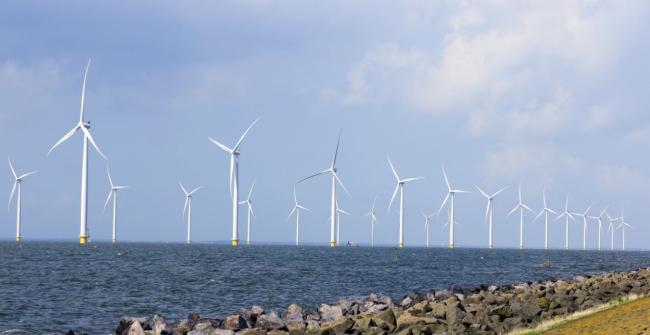
The Expansion of Offshore Wind Power in the North Sea: A Strategic Opportunity for the European Union
The North Sea is the cradle of the global offshore wind industry. The favourable wind patterns in the Southern part and the low depth of water have created an enabling environment for the construction of the first wind turbines in the world. Public policies have progressively encouraged their deployment in the best-endowed countries: Belgium, Denmark, Germany, the Netherlands and the United-Kingdom.
Related Subjects
Other events
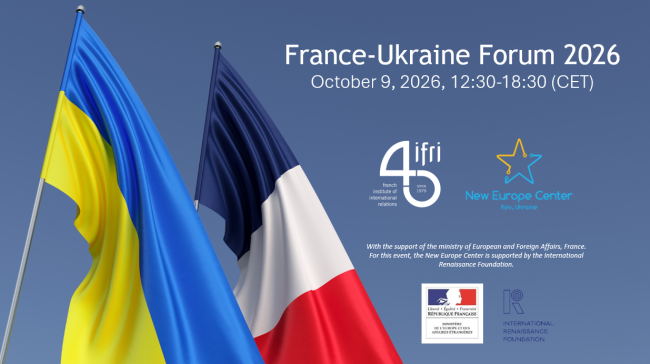
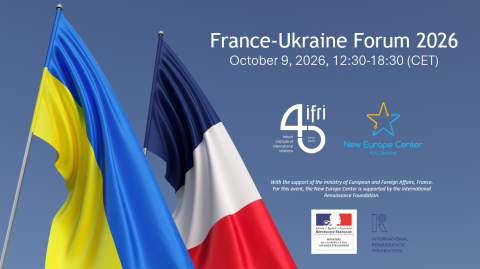
France-Ukraine Forum 2026
More than four and a half years after the start of the full-scale war launched by Russia against Ukraine, the 2026 France-Ukraine Forum will bring together policymakers, experts, academics, and civil society representatives from both countries to discuss three main topics: the formats and conditions for a lasting diplomatic settlement; Ukraine’s Euro-Atlantic integration, encompassing both the EU accession process and closer ties with NATO; and the societal transformations of postwar Ukraine, as well as its prospects for reconstruction.
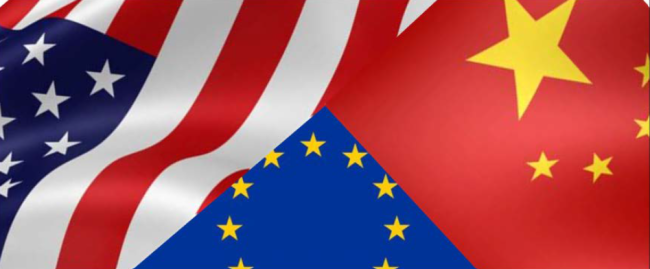
The EU in a World of Economic Warfare: Trade, Geopolitics, and the Battle for Economic Sovereignty
The international trading system has become a primary theatre of geopolitical competition. Tariffs, sanctions, and technology controls have replaced dialogue as the default instruments of economic relations.
The Road to 27 Electrification Action Plans: Planning and Investing in Europe’s Electric Future
The European Commission’s Electrification Action Plan places the continent on an electric path to structurally reduce dependence on fossil fuel imports and boost the energy transition in industry, transport and buildings.