



Practical information
As part of the HSEI (Human Space Exploration Initiative) led by CSIS and following debates and consultations previously held (cf. in particular the October 12 workshop on the same topic), CFE joined CSIS and ISU to organize a reflection group in Strasbourg on Dec 2-3.
On Dec. 2, challenges related to a futur paradigm for space law have been addressed with Phillipe Achilleas from IDEST, Valérie Zinck-Dasmien from ESA (text.pdf), Philippe Clerc from Arianespace et André Farrand from ESA. See the assessment of these sessions by Kevin Madders, Interdisciplinary Centre for Space Studies, moderator.
On Dec. 3, Richard Heidmann from the Association Planète Mars (text.pdf) and Max Grimard from EADS (text.pdf), addressed questions related to the private sector involvement in space exploration and new funding models for space exploration.
Speakers

Our team

Other events
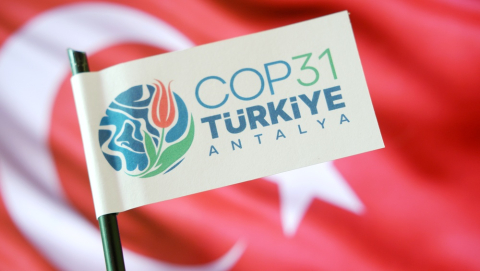
COP31 in Antalaya: State of the Global Climate Governance, Issues, Perspectives
COPs have become a year-end marathon to revigorate a world now entering the era of climate overshoot. While Türkiye exhibits the largest coal-fired power generation in OECD Europe, it has embraced the electrification agenda and aims at joining forces with Australia on fostering action and implementation. This is an unusual de facto co-presidency arrangement, but one that could yield promising results. This webinar will take stock of what climate governance has achieved and of the issues still to be negotiated, and explore what impetus this Turkish–Australian partnership could provide.
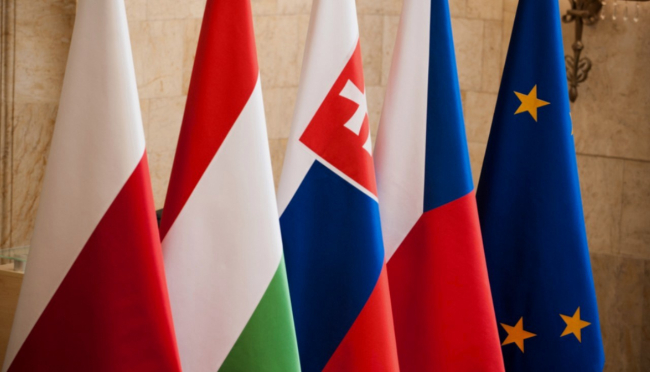
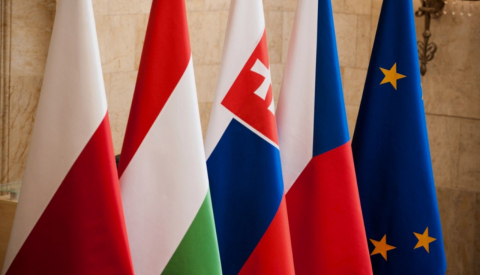
A New Moment for Central Europe? Regional Cooperation in a Time of European Strategic Choices
Recent political developments in Central Europe have revived the debate about the future of regional cooperation and the Visegrád Group. Changes in Hungary, Poland, the Czech Republic and Slovakia, together with Austria’s growing interest in closer cooperation with its neighbours, could create new opportunities for dialogue and coordination around shared priorities.
China’s Nuclear Buildup: Developments, Drivers, and Implications for Major-Power Relations and Arms Control
China has been steadily expanding its nuclear arsenal for several years amid levels of geopolitical tension unseen since the end of the Cold War, marked by a resurgence in nuclear proliferation and a broader, global arms race.