





Practical information
Midway through his term since elected to office in May 2014, Prime Minister Narendra Modi’s Pakistan policy has undergone dramatic shifts. From initial enthusiasm to making an impromptu visit to Lahore in December 2015, and then carrying out ‘surgical strikes’ against Pakistan-based terror camps in September 2016, Mr. Modi’s Pakistan policy has made a complete turnaround. With a highly tense border in Jammu & Kashmir, terror strikes against India on the rise, and key elections ahead, Indo-Pakistani relations seem to have a reached a point of no return. Conflict escalation remains a real and constant possibility. This discussion will explore how the two countries have reached this dangerous stalemate, and what, if any, are the potential steps towards rapprochement.
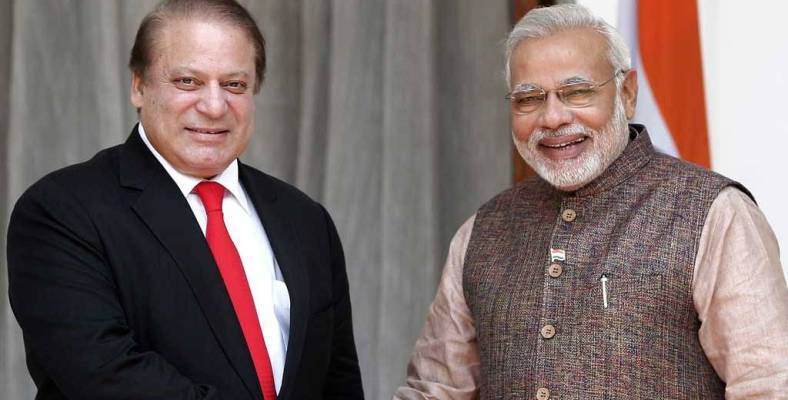
Happymon Jacob, Associate Professor, School of International Studies, Jawaharlal Neru University and Senior Global Challenges Fellow, Central European University, Budapest
Discussant: Isabelle Saint-Mézard, Associate Research Fellow, Center for Asian Studies, Ifri
Chair: Françoise Nicolas, Director, Center for Asian Studies, Ifri
Find out more
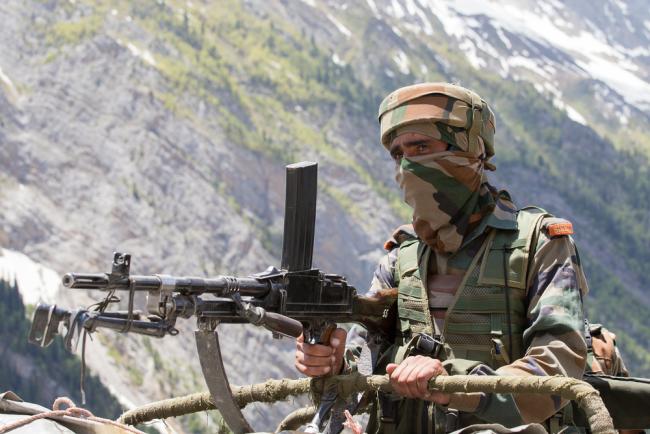
The Kashmir Uprising and India-Pakistan Relations: A need for conflict resolution, not management
This paper analyses the causes and consequences of the 2016 uprising in Kashmir, making six interrelated arguments.
Related Subjects
Other events
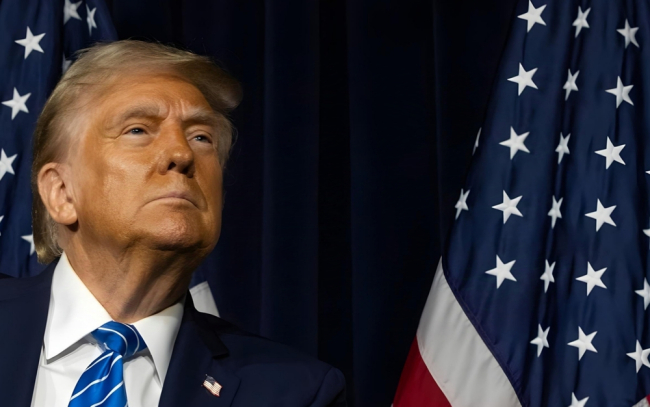
One Month Ahead of the Midterms: Where Is Trump’s America Headed?
The 24th edition of the Ifri Americas Programme Annual Conference will examine the dynamics at play in the United States and their implications for Europe and the transatlantic relationship. will examine the dynamics at play in the United States and their implications for Europe and the transatlantic relationship.
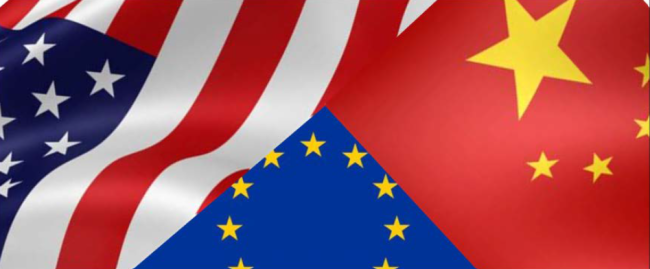
The EU in a World of Economic Warfare: Trade, Geopolitics, and the Battle for Economic Sovereignty
The international trading system has become a primary theatre of geopolitical competition. Tariffs, sanctions, and technology controls have replaced dialogue as the default instruments of economic relations.
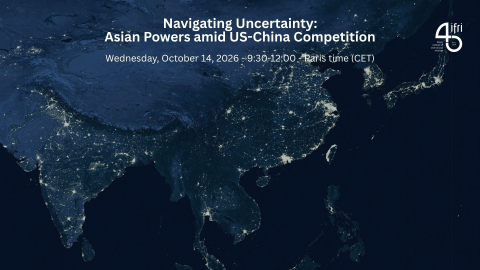
Navigating Uncertainty: Asian Powers amid US-China Competition
As relations between China and the United States oscillate between hardening competition and strategic stability, regional powers in Asia must adapt to greater uncertainty. The increasing weaponization of trade and economic dependencies, the rise of disruptive technologies, and the ever-growing risk of armed conflict are among the destabilizing factors shaping the region’s trajectory.