




The International Dimension of Hydrogen: What Value Chains Could Develop and Are Large Hydrogen Imports Realistic?

Practical information
Themes and regions
Related centers and programs
Hydrogen will play a role for reaching climate neutrality and is key to industrial recovery strategies in Europe. Japan and Germany have developed large hydrogen import plans, while others, such as Australia, Chile, Saudi Arabia, the UK, Spain, Portugal or Russia, are planning for exports.
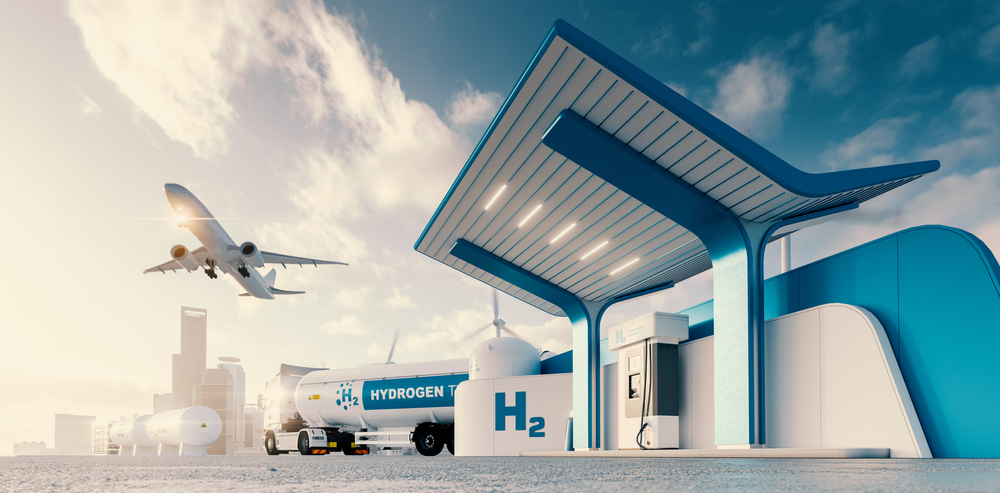
Imports will notably depend on supply, transport and distribution costs & competitiveness, technology progress, locations, domestic demand/local supply levels, the role of electrons versus molecules, and overall support strategies. Dozens of international projects are already being planned, tested, or developed, both up and mid-stream. The webinar aims to discuss how international hydrogen value chains could realistically take shape by 2030, what are their limit, uncertainties, and advantages, where and in what form hydrogen could be produced and transported, and what these findings imply for European hydrogen strategies, including in their industrial dimension.
This debate will be held in English
Program
Introduction by the chair: Marc-Antoine Eyl-Mazzega, Director, Center for Energy & Climate, Ifri
- European low-carbon hydrogen: local production or imports?
Cedric Philibert, Senior Associate Fellow, Center for Energy & Climate, Ifri
- Perspectives of the European Hydrogen Backbone
Marie-Claire Aoun, Head of Institutional Relations, Terega, Chair, Gas for Climate
- The technological dimension: are we already moving beyond pure hydrogen to other gases and how is Germany addressing the technology / cost challenges to be leading in this industry
Kilian Crone, Team Leader International Markets Hydrogen, German Energy Agency (DENA)
Debate with the participants
Find out more

Japan’s Hydrogen Society Ambition: 2020 Status and Perspectives
Japan has been steadfastly promoting the development of its hydrogen economy at all levels: political, diplomatic, economic and industrial. It is yet to be seen if this excitement can be turned into a credible, cost-effective and large scale deployment.
Perspectives on a Hydrogen Strategy for the European Union
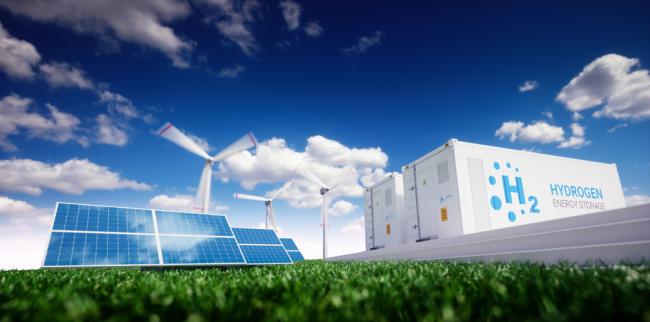
There is now a wide understanding that larger use of clean hydrogen in future can be an important mean to achieve decarbonisation of the European economy.
Prospects of a Hydrogen Economy with Chinese Characteristics
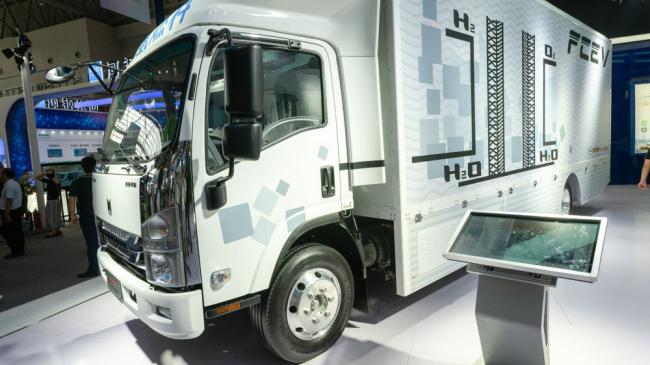
This study assesses the prospects of a hydrogen economy with Chinese characteristics. Against the backdrop of an escalating US-China trade war and the ongoing novel coronavirus (COVID-19) pandemic, key Chinese stakeholders become increasingly interested in moving the hydrogen economy agenda forward.
Related Subjects
Other events
France-Ukraine Forum 2026
More than four and a half years after the start of the full-scale war launched by Russia against Ukraine, the 2026 France-Ukraine Forum will bring together policymakers, experts, academics, and civil society representatives from both countries to discuss three main topics: the formats and conditions for a lasting diplomatic settlement; Ukraine’s Euro-Atlantic integration, encompassing both the EU accession process and closer ties with NATO; and the societal transformations of postwar Ukraine, as well as its prospects for reconstruction.
The EU in a World of Economic Warfare: Trade, Geopolitics, and the Battle for Economic Sovereignty
The international trading system has become a primary theatre of geopolitical competition. Tariffs, sanctions, and technology controls have replaced dialogue as the default instruments of economic relations.
The Road to 27 Electrification Action Plans: Planning and Investing in Europe’s Electric Future
The European Commission’s Electrification Action Plan places the continent on an electric path to structurally reduce dependence on fossil fuel imports and boost the energy transition in industry, transport and buildings.