




Iraq since the fall of Mosul: a hyper-fragmented and hyper-contentious area
Practical information
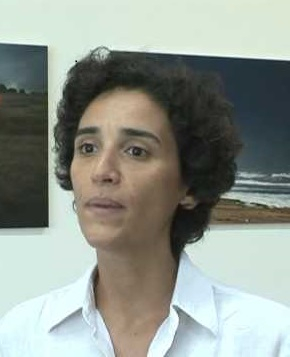
Conference with Loulouwa AL-RACHID, Middle-East Analyst, returning from a mission in Baghdad for the International Crisis Group. The conference will be held in French.
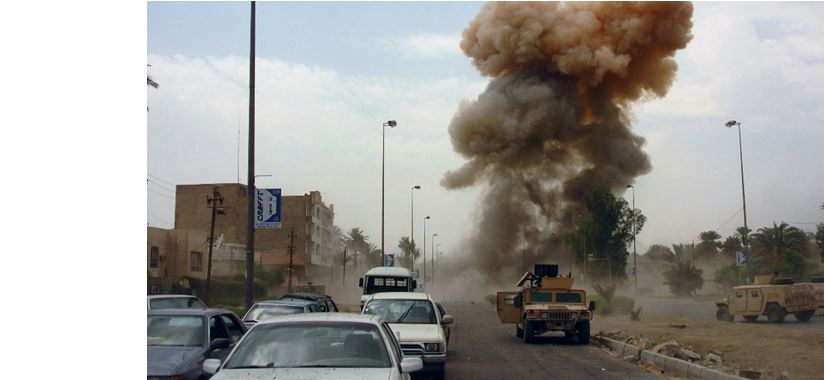
While Daesh continues to advance in Iraq and Syria, the hypothesis of its long-lasting presence in the region seems to be more likely. The nature and methods of this new actor weaken considerably the Iraqi entity. The de facto "secession" of the Sunni Arab territory and the rise of Shiite militias, reflecting the influence of Iran, now lead to violent confrontations and disrupt the internal balance of power. Can the Iraqi central institutions deal with this chaos? Does the Al-Abadi government have any leeway?
Debate moderated by Dorothée SCHMID, Responsible for the Turkey and Middle-East Program, Ifri
Other events
From Ambition to Action: Exploring Technological Partnerships with India
The 16th EU-India Summit, held on January 27th in New Delhi with European leaders António Costa, Ursula von der Leyen, and Prime Minister Narendra Modi, marks a significant milestone in deepening EU-India relations. At the same time, official bilateral visits from EU member states are on the rise, including that of the French President, who visited India in February to participate in the Artificial Intelligence Summit. As India asserts its technological ambitions and seeks to reduce its dependence on China, Europe is stepping up its efforts to diversify its strategic partnerships.
The Enlargement of the European Union: A Strategic Choice? France, the Western Balkans and the EU in an Uncertain Geopolitical Context
Russia’s war against Ukraine has brought the enlargement of the European Union back to the centre of European strategic debates. In this context, the Western Balkans have regained heightened visibility in discussions on the continent’s security, at a time when the international environment is marked by a growing number of destabilising factors.