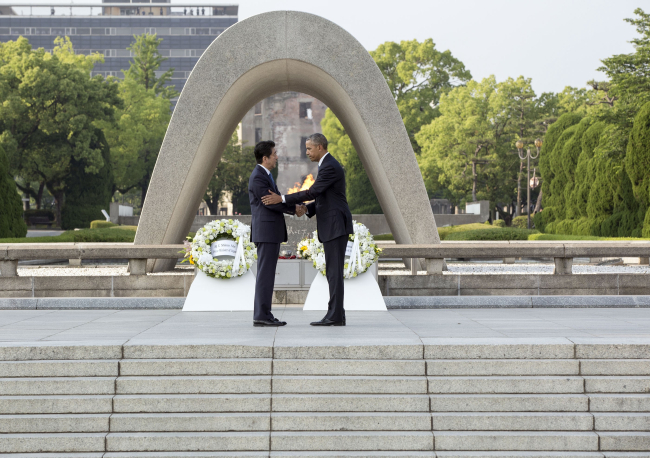
Japan and Nuclear Weapons: Between Extended Deterrence and Normative Dilemmas
Since the late 1950s, Japan’s nuclear weapons policy has been based on the coexistence of two competing normative rationales: the rejection of nuclear weapons, rooted in the legacy of Hiroshima and Nagasaki, and the recognition of the central role of US extended nuclear deterrence for Japan’s security.
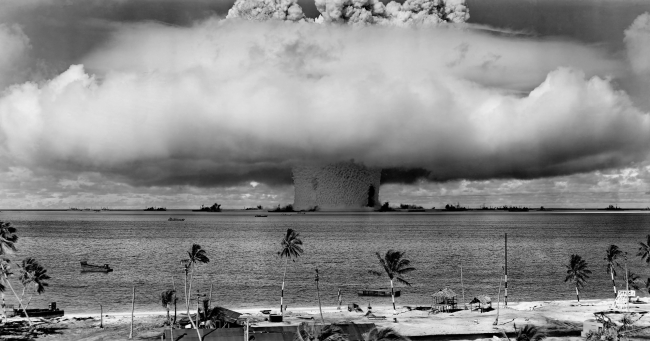
A Fragile Consensus? The Pressure on the Norm Against Nuclear Testing
Apart from North Korea, no state has conducted explosive nuclear tests in the 21st century, reflecting the emergence of a strong international norm against such testing.
Where is the U.S. nuclear arsenal headed?
An interview with Jon WOLFSTHAL, nonresident scholar, Nuclear Policy Program, Carnegie Endowment for International Peace
The NPT and the Origins of NATO’s Nuclear Sharing Arrangements
Russia has recently accused the United States and NATO Allies of violating the Treaty on the Non-Proliferation of Nuclear Weapons (NPT) by arguing that NATO's nuclear sharing arrangements are not permitted under the Treaty.
Japan and Nuclear Weapons: Between Extended Deterrence and Normative Dilemmas
Since the late 1950s, Japan’s nuclear weapons policy has been based on the coexistence of two competing normative rationales: the rejection of nuclear weapons, rooted in the legacy of Hiroshima and Nagasaki, and the recognition of the central role of US extended nuclear deterrence for Japan’s security.
A Fragile Consensus? The Pressure on the Norm Against Nuclear Testing
Apart from North Korea, no state has conducted explosive nuclear tests in the 21st century, reflecting the emergence of a strong international norm against such testing.
The NPT and the Origins of NATO’s Nuclear Sharing Arrangements
Russia has recently accused the United States and NATO Allies of violating the Treaty on the Non-Proliferation of Nuclear Weapons (NPT) by arguing that NATO's nuclear sharing arrangements are not permitted under the Treaty.
Where is the U.S. nuclear arsenal headed?
An interview with Jon WOLFSTHAL, nonresident scholar, Nuclear Policy Program, Carnegie Endowment for International Peace
Ifri, a foundation recognized as being of public utility, relies largely on private donors – companies and individuals – to guarantee its sustainability and intellectual independence. Through their funding, donors help maintain the Institute's position among the world's leading think tanks. By benefiting from an internationally recognized network and expertise, donors refine their understanding of geopolitical risk and its consequences on global politics and the economy. In 2026, Ifri partners with over 90 French and international companies and organizations.