




More flexibility: What does the UK want and what could the others accept?
Practical information
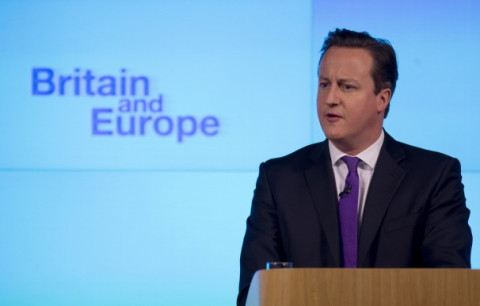
The United Kingdom is undergoing an important debate vis-à-vis its membership to the European Union. Domestic in essence, this debate however needs to be better appreciated across Europe. Despite the specificities of the UK relationship with the EU, some elements might resonate in other countries, especially since Eurosceptic sentiments are growing across Europe and since there is an increasing disconnect between European citizens and the European project.
In addition, the UK debate is rekindling talks of more flexibility within the EU at a time when “more Europe” has been headlining every European Council for the past few years. Despite the stepping-up toward more integration, there seems to be a slow but genuine realization that the steps taken so far and those that are on the agenda today could fundamentally change the EU and national politics. Those changes may eventually occur, but they require a leap of faith that some may not be prepared to take at face value. Talks of “more flexibility” may become less taboo across Europe and shall be addressed. The Dutch “subsidiarity review” is a resounding example in that matter. What kind of flexibility are the British talking about? What kind of flexibility could be acceptable for other member states? What could be the consequences for the EU to accept more flexibility politically and institutionally?
This expert seminar will be held under the Chatham House rule. The objective is to open a frank discussion about an issue that is likely to gain attention in the coming years.
Programme:
11.30-11.45 Registration
11.45-13.15 The UK Domestic Debate: Is the Europe debate as polarised as portrayed and can it export?
Lord Stewart Wood, Shadow Minister without Portfolio and Adviser to Ed Miliband, London
Vivien Pertusot, Head of Ifri Brussels, Brussels
Chair: Paul Adamson, Editor-in-chief, E! Sharp, Brussels
13.15-14.15 Lunch
14.15-15.45 Flexibility: How contortionist could the EU be?
William Sleath, Head of Unit, Secretary General of the European Commission, Brussels
Piotr Kaczynski, Policy Advisor, European Parliament, Brussels
Chair: Yann-Sven Rittelmeyer, Research Fellow, Study Committee for Franco-German Relations, Ifri, Paris
Other events
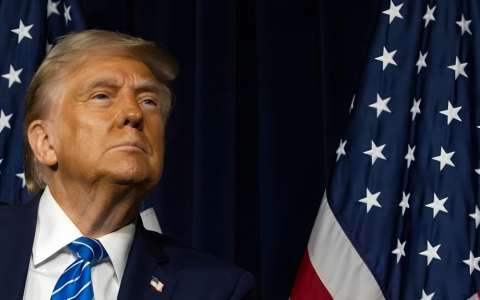
One Month Ahead of the Midterms: Where Is Trump’s America Headed?
The 24th edition of the Ifri Americas Programme Annual Conference will examine the dynamics at play in the United States and their implications for Europe and the transatlantic relationship. will examine the dynamics at play in the United States and their implications for Europe and the transatlantic relationship.
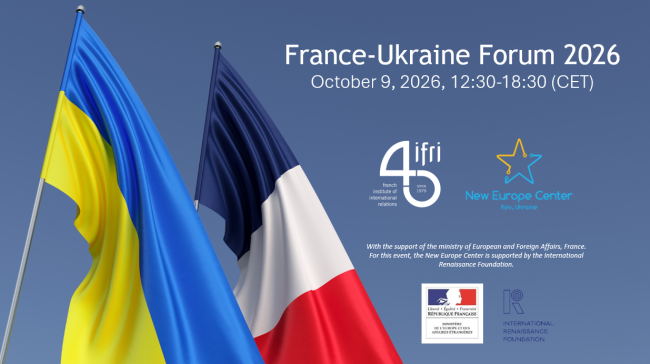
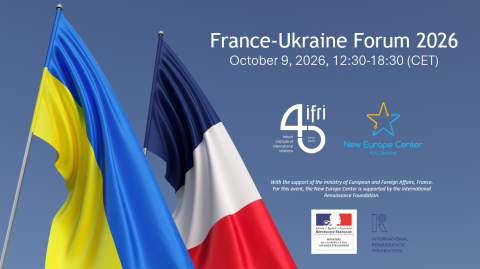
France-Ukraine Forum 2026
More than four and a half years after the start of the full-scale war launched by Russia against Ukraine, the 2026 France-Ukraine Forum will bring together policymakers, experts, academics, and civil society representatives from both countries to discuss three main topics: the formats and conditions for a lasting diplomatic settlement; Ukraine’s Euro-Atlantic integration, encompassing both the EU accession process and closer ties with NATO; and the societal transformations of postwar Ukraine, as well as its prospects for reconstruction.
The EU in a World of Economic Warfare: Trade, Geopolitics, and the Battle for Economic Sovereignty
The international trading system has become a primary theatre of geopolitical competition. Tariffs, sanctions, and technology controls have replaced dialogue as the default instruments of economic relations.