






Practical information
For the fifth year in a row, ten leading European Think Tanks will join forces to host the annual Brussels Think Tank Dialogue (BTTD). This will be a unique opportunity to hear leading voices debate pressing issues, forecast major trends for the coming year, and put forward recommendations for the new European leadership. More than ever, guidance is needed.
The BTTD 2015 will focus on such topical issues as:
- Revisiting Energy Security
- Towards a single European Labour Marker
- Tomorrow’s EU migration policy.
Experts from each think tank have produced background papers for each session, which are now available for download.
Click here to see the full programme. Follow @IfriBxl and #BTTD15 on Twitter.
Jointly organised by the Bertelsmann Stiftung, Bruegel, CEPS, Confrontations Europe, the Egmont Institute, the European Policy Centre (EPC), Friends of Europe – Les amis de l’Europe, the Institut français des relations internationales (Ifri), Madariaga – College of Europe Foundation and the Stiftung Wissenschaft und Politik (SWP), the Brussels Think Tank Dialogues are annual policy forums for critical reflection on the state of the EU and the joint development of analysis and recommendations to improve EU policies. The Dialogues are designed to address pressing political concerns as well as to offer recommendations on specific issues.
|
|
Find out more

Three challenges for tomorrow's EU migration policy: fairness, mobility and narratives
Other events
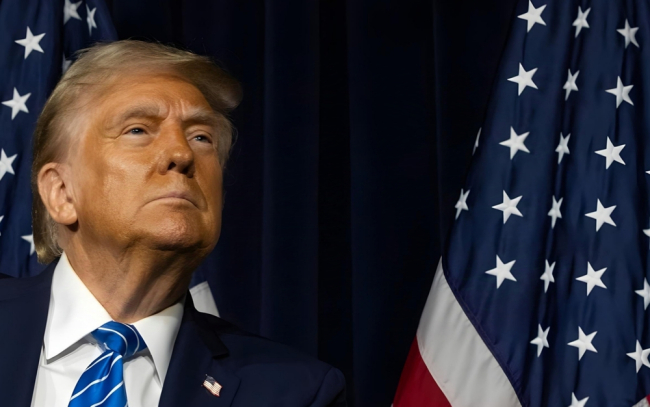
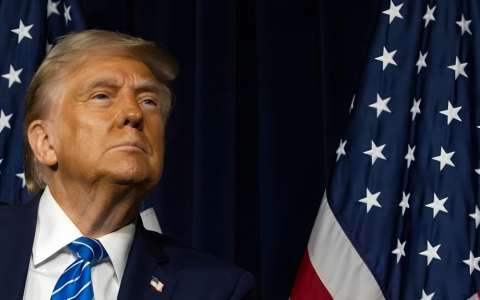
One Month Ahead of the Midterms: Where Is Trump’s America Headed?
The 24th edition of the Ifri Americas Programme Annual Conference will examine the dynamics at play in the United States and their implications for Europe and the transatlantic relationship. will examine the dynamics at play in the United States and their implications for Europe and the transatlantic relationship.
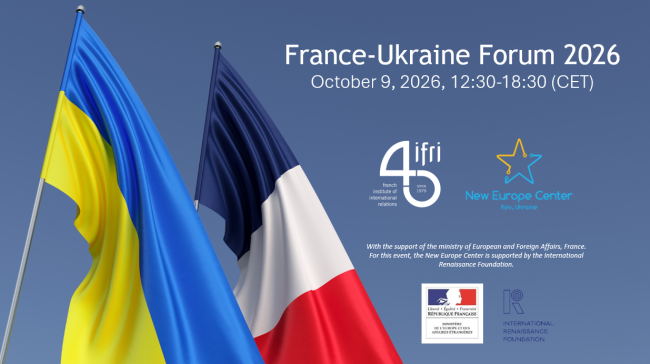
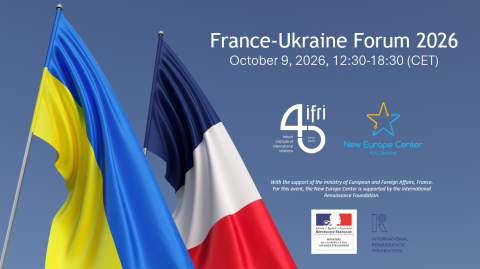
France-Ukraine Forum 2026
More than four and a half years after the start of the full-scale war launched by Russia against Ukraine, the 2026 France-Ukraine Forum will bring together policymakers, experts, academics, and civil society representatives from both countries to discuss three main topics: the formats and conditions for a lasting diplomatic settlement; Ukraine’s Euro-Atlantic integration, encompassing both the EU accession process and closer ties with NATO; and the societal transformations of postwar Ukraine, as well as its prospects for reconstruction.
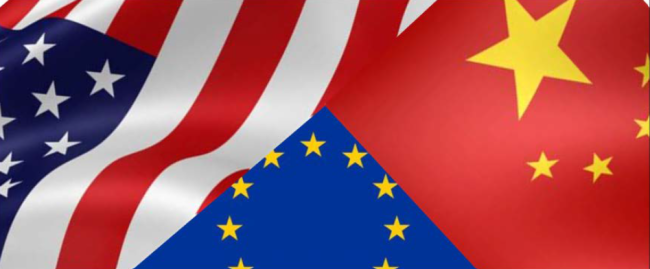
The EU in a World of Economic Warfare: Trade, Geopolitics, and the Battle for Economic Sovereignty
The international trading system has become a primary theatre of geopolitical competition. Tariffs, sanctions, and technology controls have replaced dialogue as the default instruments of economic relations.