





A New EU Framework for a Well-Functioning and Low-Carbon Electricity System

Practical information
After years of debates around the structural failures of the EU electricity markets, time has come to agree on potential remedies. With the adoption of the Clean Energy Package, a new legislative framework will govern electricity exchanges for the next decade. In parallel, the EU is about to upgrade its vision for a fully decarbonised economy by 2050, and Member States are also adjusting their energy transition policies to grasp the full potential of technological innovation, while preserving social acceptability and economic competitiveness.

-
Can the EU electricity market trigger a rapid coal phase out and deliver the right investment signals?
-
How to promote the massive integration of renewables while maintaining system stability?
-
How to strike the right balance between EU harmonization and the creation of an innovation-friendly environment?
Ifri’s Centre for Energy is gathering key public and private decision-makers, stakeholders and experts of the EU electricity system to openly discuss these questions.
|
8:30-9:00 |
Registration & coffee |
|
9:00-9:30 |
Opening Statements
|
|
9:30-10:45 |
How to reconcile carbon pricing and the electricity market design? Moderator: Carole Mathieu, Head of EU Energy & Climate Policies, Ifri Centre for Energy
|
|
10:45-11:00 |
Coffee break |
|
11:00- 12:00 |
Will the new EU electricity market design regulation bring a fully-functioning system for the 2020s? Moderator: Olivier Appert, Senior Adviser, Ifri Centre for Energy
The way forward: Florian Ermacora, Head of Unit, Wholesale Electricity and Gas Markets, DG Energy |
|
12:00-13:00 |
How are electric mobility and battery storage going to transform the EU electricity system? Moderator: Marc-Antoine Eyl-Mazzega, Director, Ifri Centre for Energy
|
|
13:00-13:15 |
Closing Remarks, Olivier Grabette, Executive Vice-President, RTE |
|
13:15-14:30 |
Networking lunch |
Other events
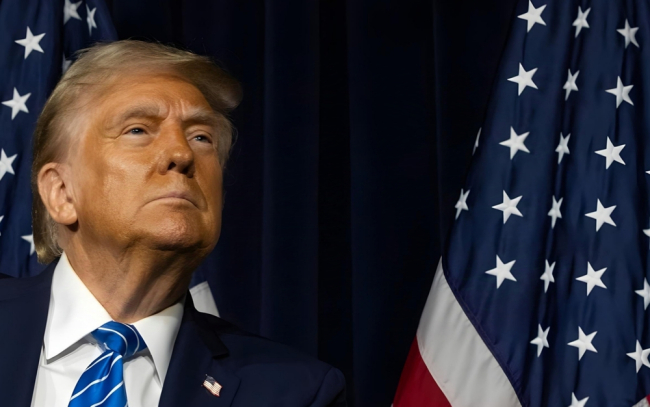
One Month Ahead of the Midterms: Where Is Trump’s America Headed?
The 24th edition of the Ifri Americas Programme Annual Conference will examine the dynamics at play in the United States and their implications for Europe and the transatlantic relationship. will examine the dynamics at play in the United States and their implications for Europe and the transatlantic relationship.
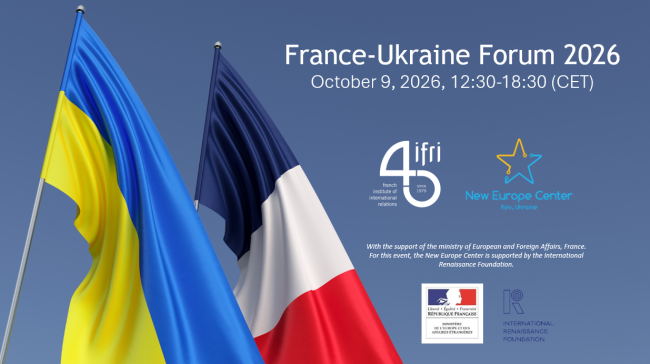
France-Ukraine Forum 2026
More than four and a half years after the start of the full-scale war launched by Russia against Ukraine, the 2026 France-Ukraine Forum will bring together policymakers, experts, academics, and civil society representatives from both countries to discuss three main topics: the formats and conditions for a lasting diplomatic settlement; Ukraine’s Euro-Atlantic integration, encompassing both the EU accession process and closer ties with NATO; and the societal transformations of postwar Ukraine, as well as its prospects for reconstruction.

The EU in a World of Economic Warfare: Trade, Geopolitics, and the Battle for Economic Sovereignty
The international trading system has become a primary theatre of geopolitical competition. Tariffs, sanctions, and technology controls have replaced dialogue as the default instruments of economic relations.