







Practical information
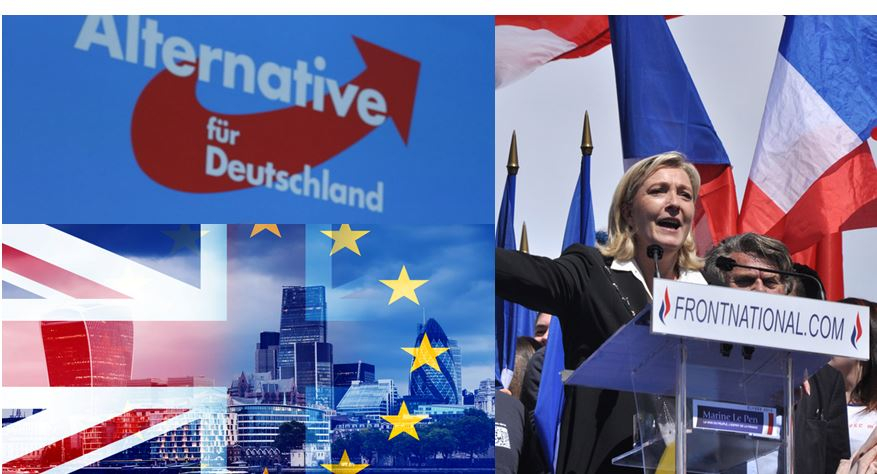
The year 2016 was one of rising populism, as demonstrated through Brexit, the US presidential elections or the referendum in Italy. Major elections are also approaching in 2017, with the French presidential election in April/May and the German general election in the autumn. Europe and the world are coming to a significant crossroads. Will the rising tide of populism reach a critical juncture?
Ifri and NHK World invite you to the televised debate program "GLOBAL AGENDA".
“GLOBAL AGENDA” is NHK World’s full-scale, monthly debate program that gathers global opinion leaders to discuss major issues facing the world today. The program is organized with a high-level think tanks or institutes relevant to the topic of discussion. http://www.nhk.or.jp/globalagenda/
Discussion Points
- Discussion1: What’s your view about the current situation of populism in Europe and the world?
- Discussion2: Why has populism gained so much momentum?
- Discussion3: What are the challenges of “Populist politics”?
The Panellists:
- Thierry de MONTBRIAL, Founder and Executive Chairman of Ifri
- Chantal MOUFFE, Professor, University of Westminster
- Werner J. PATZELT, professeur, Dresden University of Technology
- Barry BENNET, Advisor at "Avenue Strategy", Washington, D.C., former senior advisor to Trump’s campaign
Moderator: William Irigoyen, Journalist, ARTE
The recording of this TV program will take place in the Ifri's conference room.
We invite you arrive at Ifri no later than 2 pm so that the TV production team can set up.
A debate in English / By invitation only
Related Subjects
Other events
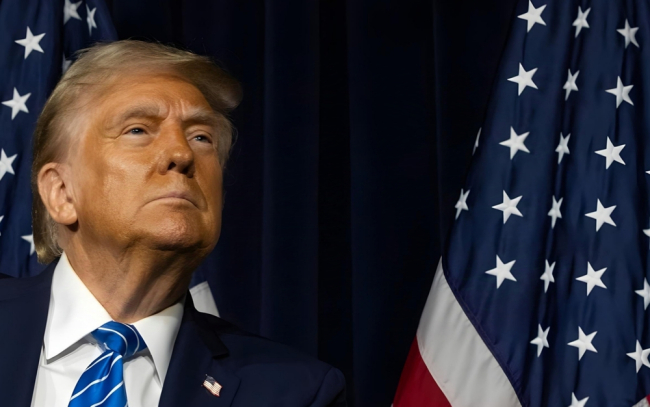
One Month Ahead of the Midterms: Where Is Trump’s America Headed?
The 24th edition of the Ifri Americas Programme Annual Conference will examine the dynamics at play in the United States and their implications for Europe and the transatlantic relationship. will examine the dynamics at play in the United States and their implications for Europe and the transatlantic relationship.
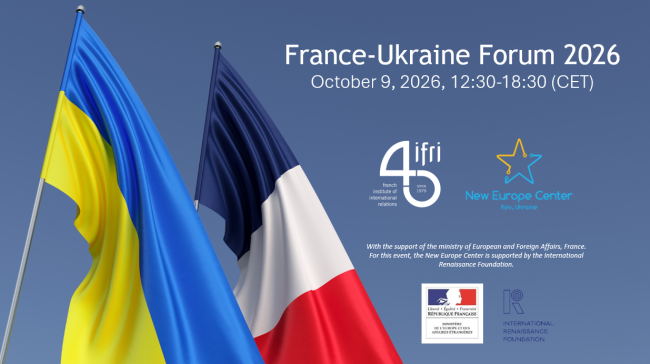
France-Ukraine Forum 2026
More than four and a half years after the start of the full-scale war launched by Russia against Ukraine, the 2026 France-Ukraine Forum will bring together policymakers, experts, academics, and civil society representatives from both countries to discuss three main topics: the formats and conditions for a lasting diplomatic settlement; Ukraine’s Euro-Atlantic integration, encompassing both the EU accession process and closer ties with NATO; and the societal transformations of postwar Ukraine, as well as its prospects for reconstruction.
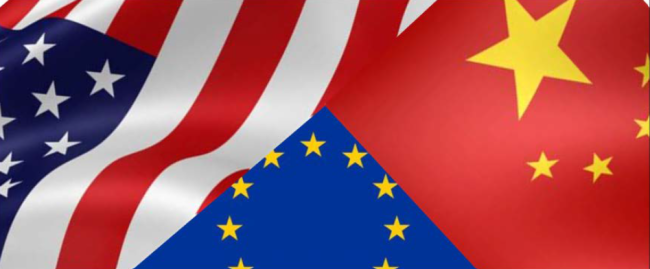
The EU in a World of Economic Warfare: Trade, Geopolitics, and the Battle for Economic Sovereignty
The international trading system has become a primary theatre of geopolitical competition. Tariffs, sanctions, and technology controls have replaced dialogue as the default instruments of economic relations.