




Latin America
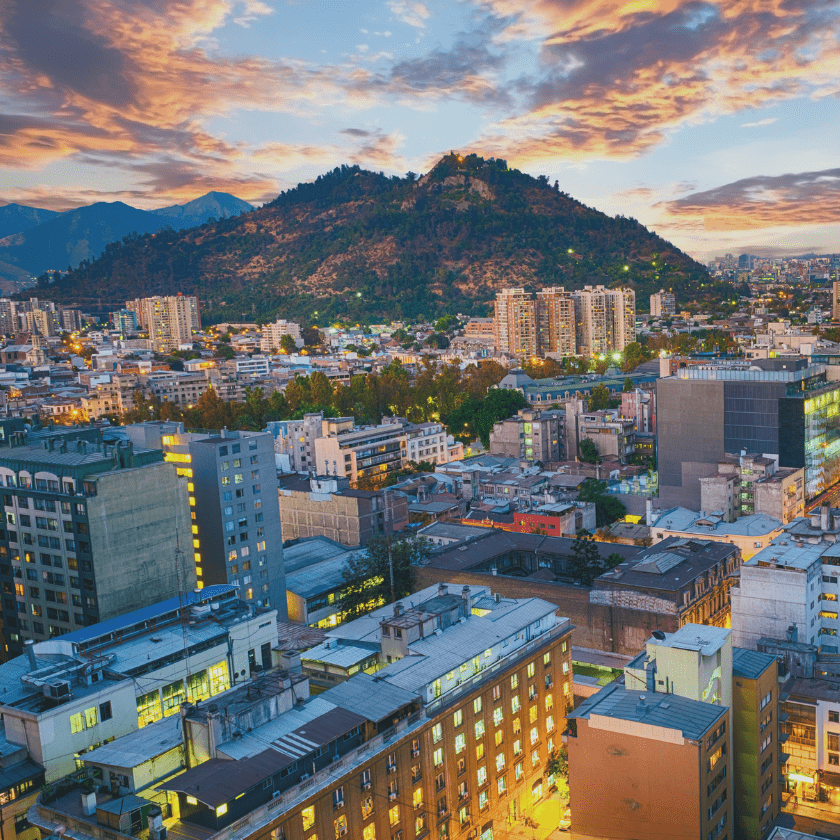
Latin America, a multicultural and multilingual region, is at a turning point in its history. Economic and political stability are important issues, but so is the question of resources.
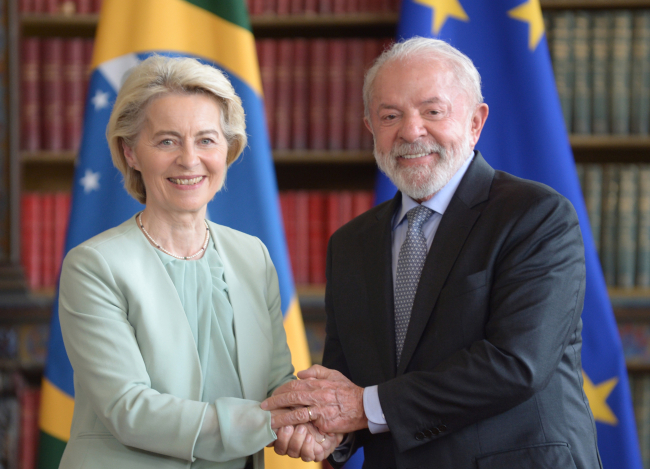
Entry into force of the EU-Mercosur agreement: last act of an endless drama for Germany?
At the World Economic Forum in Davos on January 20, 2026, Ursula von der Leyen, the President of the European Commission, stated that "geopolitical shocks can and must serve as opportunity for Europe".
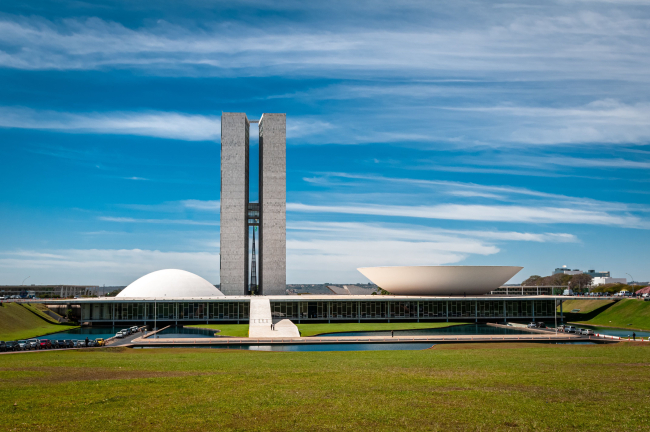
Brazil One Year Away from the October 2026 General Elections
Brazil’s general elections will be held on October 4, 2026, to elect the president, vice-president, members of the National Congress, governors, deputy governors and state legislative assemblies. For the presidential and gubernatorial elections, a second round will be held on October 25 if no candidate obtains a majority of the votes in the first round.

COP30: An Inflection Point for Climate Action and Governance
The 30th Conference of the Parties (COP30), opening in Belém, Brazil, on November 10th 2025, convenes at a perilous moment.
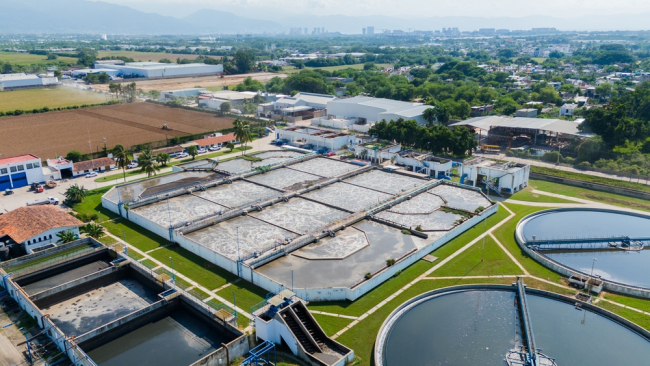
Water in Mexico: an Emergency that Will Wait
Access to water is already and will become increasingly problematic for Mexican economic actors due to the progressive scarcity of the resource resulting from climate change, a geographical distribution that does not coincide with that of the population or economic activity, and management that has so far been far too lax.
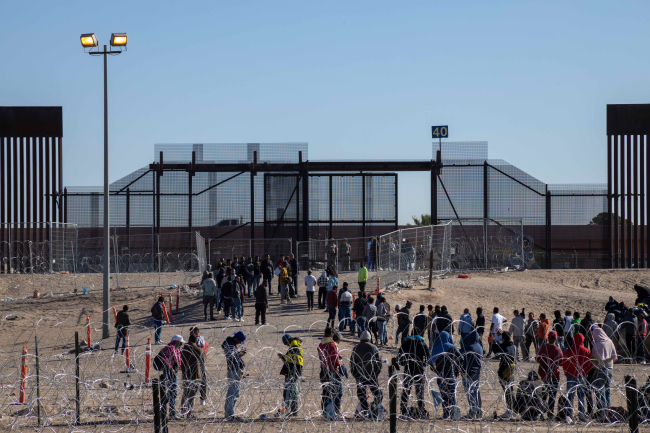
Migrations Between Mexico and the United States: More of the Same or a Headlong Rush?
As Trump prepares to tighten border controls with Mexico and carry out mass deportations of undocumented immigrants, Mexico is questioning the economic consequences of this migration policy and expects to have to negotiate the issue in connection with the tariffs imposed by the Trump administration.
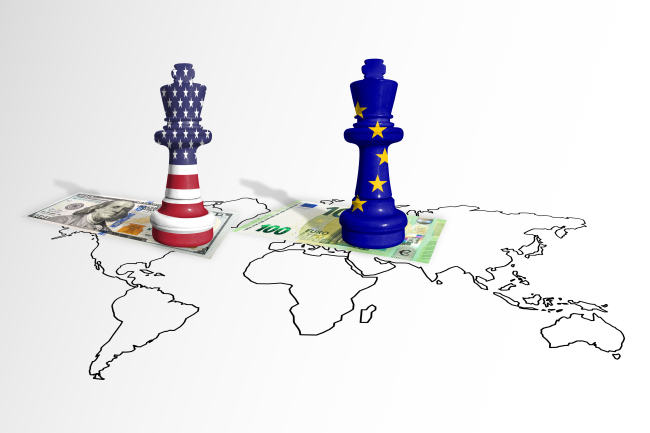
Trump’s Second Term: Laying the Groundwork for a New Trade War
In a statement released on February 1, 2025, President Trump announced the implementation of a 10% tariff on Chinese goods and a 25% tariff on imports from Canada and Mexico. While the former took effect via executive order on February 4, the latter were granted a 30-day reprieve. Sanctions targeting European Union (EU) products are said to be imminent.


Why does Macron want to renegotiate the proposed EU-Mercosur trade deal?
Last month, on a highly anticipated visit to Brazil, French President Emmanuel Macron expressed harsh criticism of the EU-MERCOSUR trade deal. He told a group of businesspeople in São Paulo: “it is a very bad deal, for you and for us.” He also said that the agreement needed to be renegotiated from scratch. But why?


Without a Pact with Mercosur, the EU risks leaving China free in South America
The agreement EU-Mercosur It has been a banner of the recent protest by French farmers, who denounced unfair competition on the part of South Americans. However, if Paris closes the door to this pact, the way will be left clear to China, warn politicians and analysts consulted by EFE.

First Year of Lula: Overview of the Political Situation in Brazil
This Briefing offers an analysis of Brazil's political and economic situation and prospects at the end of 2023. It also examines Brazil's position on certain international relations issues, thirteen months after Lula's election.
EU-Mercosur: An Unsolvable Trilemma Between Competition Rules, Normative Ambitions and Supply Chain Diversification
The EU-Mercosur trade deal was believed to be heading toward the finish. The election of Luiz Inácio Lula da Silva as the president of Brazil, as successor to the right-wing populist Jair Bolsonaro, and the Spanish presidency of the European Union (EU), raised hopes for its conclusion. But the reservations expressed by several EU member states and some Latin American countries have dashed hopes.
War in Ukraine: A New World?
Beyond the tactical sphere, the conflict in Ukraine has already had numerous repercussions, and its conclusion will provoke many more in the global system. In this special issue, Politique étrangère explores some potential outcomes.
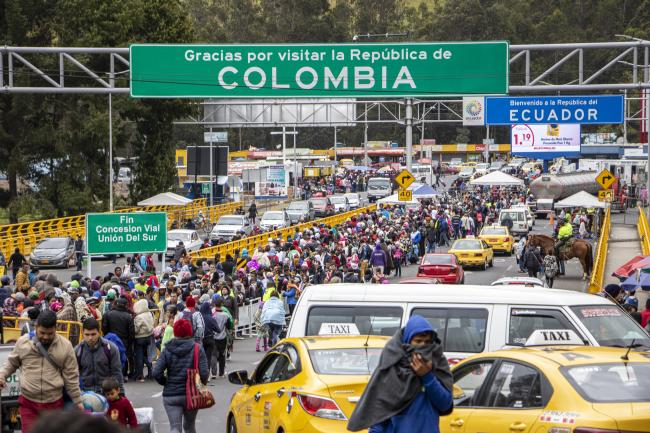
Displaced Venezuelans in Latin America: A Test of Regional Solidarity?
Since 2015, South American countries have been dealing with the greatest forced displacement in their history. More than 5.6 million Venezuelans have left their country under great hardships, fleeing deteriorating living conditions, famine, and lack of access to medical treatment and basic care. Eighty per cent of these people have gone to other South American countries, such as Colombia, Peru, Ecuador, or Chile.
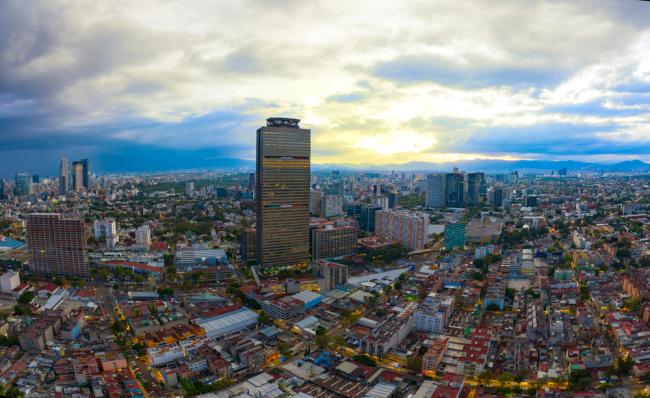
Mexico’s Energy Policies During the Presidency of Andrés Manuel López Obrador: Sovereignty and Security
In power for three years, President López Obrador leads a National Revolution. The energy sector sees the strengthening of the State and state-owned companies, the Federal Electricity Company and Petróleos Mexicanos, against the liberalization principles implemented in the Energy Reform (2013-2014).
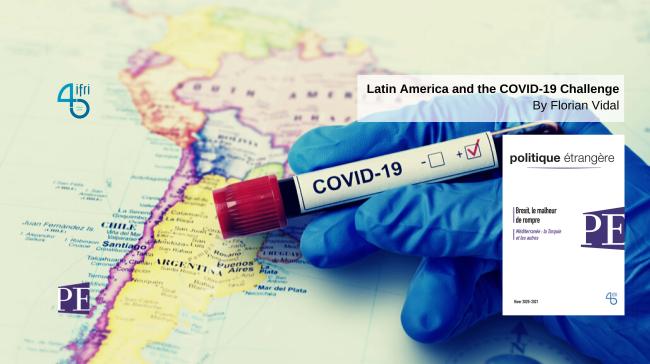
Latin America and the COVID-19 Challenge
Latin American governments have not responded consistently to the COVID-19 pandemic.
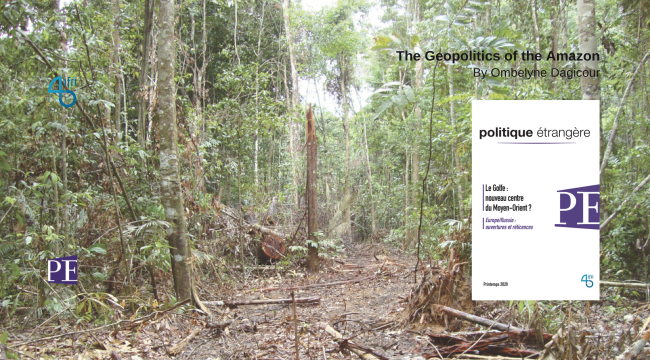
The Geopolitics of the Amazon
An irreplaceable reservoir of biodiversity and freshwater, the Amazon basin has become extremely important in this age of climate disruption.
Latin America's Dashed Hopes
Only recently, Latin America seemed to embody an inexorable movement towards political democratization, towards a decrease in stark inequalities as well as greater involvement in the global economy. But the dream remains unrealized.
Brazil: the Harder they Fall
During the 2000s, Brazil's economy took off, with growth driven primarily by strong Chinese demand for commodities. Within a decade, the Brazilian middle class increased from 30% to 50% of the population.
Entry into force of the EU-Mercosur agreement: last act of an endless drama for Germany?
At the World Economic Forum in Davos on January 20, 2026, Ursula von der Leyen, the President of the European Commission, stated that "geopolitical shocks can and must serve as opportunity for Europe".
Brazil One Year Away from the October 2026 General Elections
Brazil’s general elections will be held on October 4, 2026, to elect the president, vice-president, members of the National Congress, governors, deputy governors and state legislative assemblies. For the presidential and gubernatorial elections, a second round will be held on October 25 if no candidate obtains a majority of the votes in the first round.
COP30: An Inflection Point for Climate Action and Governance
The 30th Conference of the Parties (COP30), opening in Belém, Brazil, on November 10th 2025, convenes at a perilous moment.
Water in Mexico: an Emergency that Will Wait
Access to water is already and will become increasingly problematic for Mexican economic actors due to the progressive scarcity of the resource resulting from climate change, a geographical distribution that does not coincide with that of the population or economic activity, and management that has so far been far too lax.
Migrations Between Mexico and the United States: More of the Same or a Headlong Rush?
As Trump prepares to tighten border controls with Mexico and carry out mass deportations of undocumented immigrants, Mexico is questioning the economic consequences of this migration policy and expects to have to negotiate the issue in connection with the tariffs imposed by the Trump administration.
Trump’s Second Term: Laying the Groundwork for a New Trade War
In a statement released on February 1, 2025, President Trump announced the implementation of a 10% tariff on Chinese goods and a 25% tariff on imports from Canada and Mexico. While the former took effect via executive order on February 4, the latter were granted a 30-day reprieve. Sanctions targeting European Union (EU) products are said to be imminent.
First Year of Lula: Overview of the Political Situation in Brazil
This Briefing offers an analysis of Brazil's political and economic situation and prospects at the end of 2023. It also examines Brazil's position on certain international relations issues, thirteen months after Lula's election.
EU-Mercosur: An Unsolvable Trilemma Between Competition Rules, Normative Ambitions and Supply Chain Diversification
The EU-Mercosur trade deal was believed to be heading toward the finish. The election of Luiz Inácio Lula da Silva as the president of Brazil, as successor to the right-wing populist Jair Bolsonaro, and the Spanish presidency of the European Union (EU), raised hopes for its conclusion. But the reservations expressed by several EU member states and some Latin American countries have dashed hopes.
Why does Macron want to renegotiate the proposed EU-Mercosur trade deal?
Last month, on a highly anticipated visit to Brazil, French President Emmanuel Macron expressed harsh criticism of the EU-MERCOSUR trade deal. He told a group of businesspeople in São Paulo: “it is a very bad deal, for you and for us.” He also said that the agreement needed to be renegotiated from scratch. But why?
Ifri, a foundation recognized as being of public utility, relies largely on private donors – companies and individuals – to guarantee its sustainability and intellectual independence. Through their funding, donors help maintain the Institute's position among the world's leading think tanks. By benefiting from an internationally recognized network and expertise, donors refine their understanding of geopolitical risk and its consequences on global politics and the economy. In 2026, Ifri partners with over 90 French and international companies and organizations.


Ifri's work on the Americas region focuses mainly on the United States. Indeed, for more than 20 years, Ifri's Americas Program has provided keys to understanding American society and domestic policy while shedding light on developments in the country's foreign policy, including transatlantic relations and trade issues.
Since 2023, a specific axis on Latin America structures more actively Ifri's research on this region.
Ifri's Canada program was active in 2015 and 2016.