


North Africa and Middle East
Analysis of changing dynamics in the North Africa/Middle East region, against a backdrop of increasing security crises and their political, economic and energy consequences.
Related Subjects
Gulf Sovereign Wealth Funds: Major Actors in World Finance
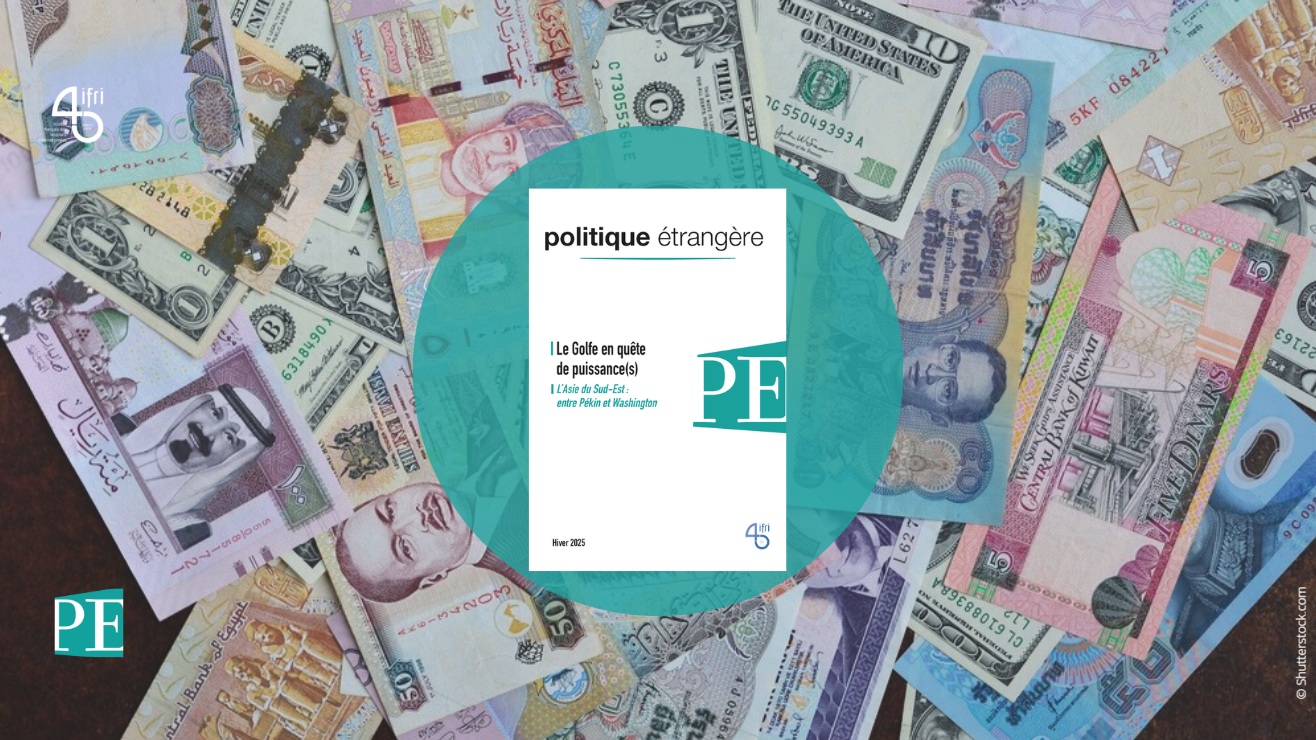
The sovereign wealth funds of Gulf countries have become key players in world finance. By investing colossal sums in strategic sectors, they contribute both to local development and the growing influence of the Gulf monarchies in the global economy and international politics. In the near future, they will have to grapple with two challenges: that of human capital, and that of their geopolitical position between the Global North and Global South.
Migrations in Africa: Another Look
Migration in Africa is a major concern, but largely for Africans alone. To adequately study the question of international migration, one must look beyond Europe’s current predicament. Through its dossier on “Migrations in Africa: Another Look”, this issue of Politique étrangère examines a number of factors that determine migration movements, how states in Africa attempt to manage the significant problem of internal migration, the difficulties of integrating migrant workers into their host societies, and the false pretenses of Euro-African agreements on readmission.
Shadows on Israeli Gas Success Story: a Political and Geopolitical Risk Analysis
In Israel, both the regional geopolitical context and domestic politics play an important role in the development of the offshore gas fields.
The Evolution and Limits of the Algiers-Moscow Relationship
During the Cold War, Algeria was one of the Soviet Union’s favored partners. Ties between the two countries deteriorated during the 1990s before going through a renewal around fifteen years ago.
Muslim States’ Influence on Islam in France
Successive attempts to institutionalise Islam in France have not resulted in an entirely satisfactory outcome.
A Time of Change for Algeria’s Foreign Policy
Having been formed in large part by the legacy of the post-independence diplomatic process, by forced withdrawal during the civil war and fixation on a few regional issues, Algerian diplomacy has to redefine itself in a rapidly changing world.
Algeria’s Permanent State of Economic Crisis (1999-2015)
When President Bouteflika came to power in 1999, he sought to liberalise the country’s economy. But these reforms were reversed after only a few years.
Questioning Algeria's Non-Interventionism
Given its colonial history, Algeria does not want foreign powers involving themselves in internal affairs.
Activists Without Borders
Various associations organise trips to Israel and/or to the Palestinian Territories. Someone who has no previous knowledge of the Near East and who takes part in a journey organised by a pro-Israeli group, would return to France with a very different vision of the Israeli-Palestinian conflict to that of someone who had travelled with a pro-Palestinian group.
For more information concerning the complete work, please click on this link.
The Kurds: a Channel of Russian Influence in the Middle East?
With the Syrian crisis entering its fifth year, the changing security context in Syria and Iraq since the summer of 2014 has highlighted the increasingly important role played by the Kurds as a fighting force against Islamic State (IS). In a more general context of renewed Russian influence in the Middle East since the late 2000s, the development of Russo-Kurdish relations has entered a new phase since the beginning of the current decade.
Defeating Daesh: A Financial and Military Campaign
The Islamic State has considerable income, mostly from taking control of banks; managing trafficking networks – particularly hydrocarbons – and from external support.
Support independent French research
Ifri, a foundation recognized as being of public utility, relies largely on private donors – companies and individuals – to guarantee its sustainability and intellectual independence. Through their funding, donors help maintain the Institute's position among the world's leading think tanks. By benefiting from an internationally recognized network and expertise, donors refine their understanding of geopolitical risk and its consequences on global politics and the economy. In 2025, Ifri supports more than 80 French and foreign companies and organizations.
Related centers and programs
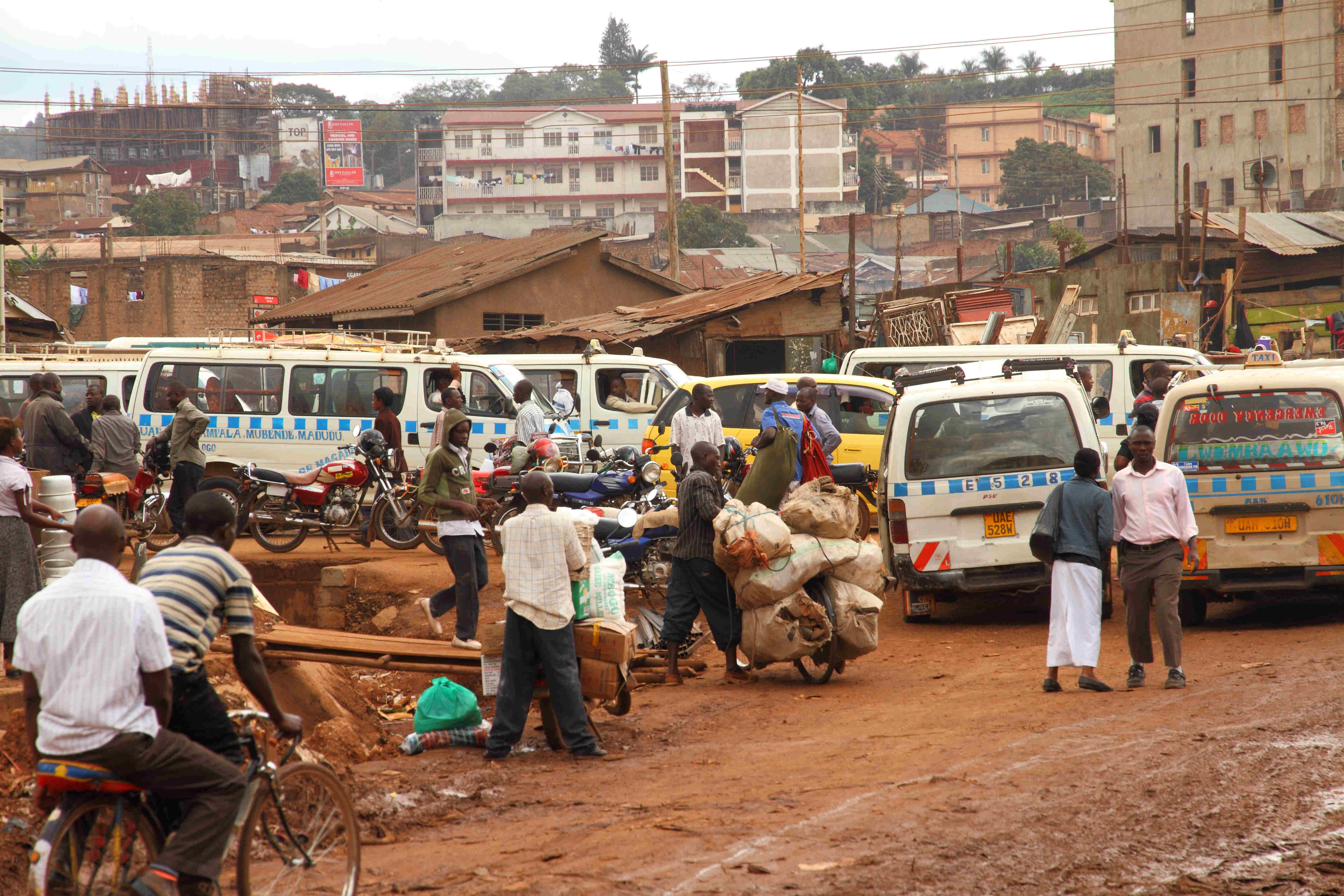
Governing the Urban Transition in Africa
Sub-Saharan Africa's cities are experiencing the fastest growth rates in the world. By 2050, most of the countries in the region will have made an urban transition, meaning that more than 50% of their population will live in urban areas. Urban growth is often presented as a cornerstone of the continent's socio-economic development.
To assess these challenges Ifri’s Sub-Saharan Africa Center is launching, in May 2022, a research program looking into the major socio-economic and geopolitical challenges of urban dynamics on the continent.
The program deals with urban development in Africa through a sectoral and cross-cutting approach based on three key sectors:
- Land issues are the foundation of urban life. Each urban project triggers changes within the relationship between land and its inhabitants.
- Urban infrastructure is often presented as a solution to the challenges of demographic growth in cities. However, the lack of infrastructure and its financing remains a concern for specialists.
- The mobility of goods, people and financial flows is characteristic of urban life and drives the multiple links between cities and the countryside. Analyzing the urban-rural continuum is at the heart of this program's objectives.
Research will be conducted at the macro (continental), meso (country), and micro (city/neighborhood) levels and will be promoted through events and publications.
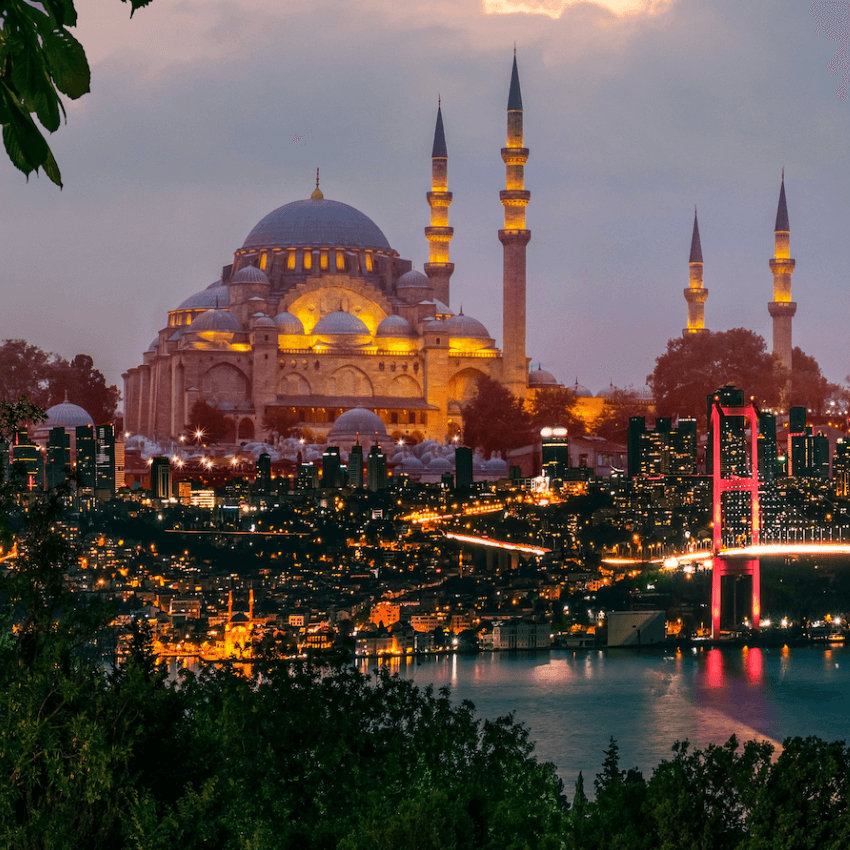
Turkey/Middle East Program
Ifri's Turkey/Middle East Program aims to provide expertise on the trends and developments in politics, societies and economies across the region.
The programme has the following objectives:
- Proposing a new approach towards the MENA region through an analysis of local, regional, and international dynamics with the potential to guide and influence new policies.
- Highlighting the role of foreign powers which have traditionally been present in the region and analyzing the new role taken on by emerging countries ;
- Anticipating new directions and outlooks in each country.
- Interpreting risks and potentials and putting forward new templates for analysis.
The programme has built a dense network of researchers and experts who provide expertise on the MENA region and working together on a range of crosscutting themes.