




3447 publications
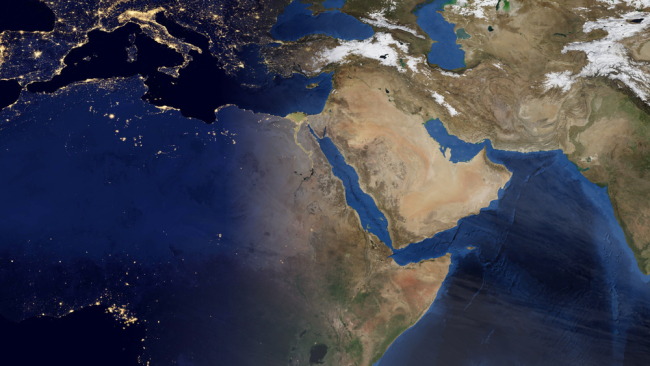
Diplomatic Relations between Qatar and Sub-Saharan Africa. An Evolving Affair
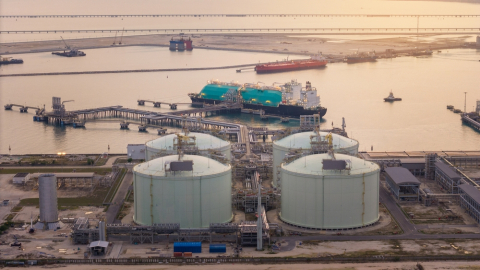
In the space of 20 years, under the leadership of the former Emir, Hamad bin Khalifa Al Thani, in power between 1995 and 2013, Qatar became a country which matters due to its status, obtained in 2006, as the leading world producer of liquefied natural gas (LNG).
Energy Relations between Russia and China: Playing Chess with the Dragon
Post-sanctions Russia-China energy relations: what expectations?
The Far Right in the Conflict between Russia and Ukraine
From the very beginning, the armed conflict that broke out in the Donbass in the spring of 2014 drew in right-wing radicals, on the Ukrainian as well as on the Russian side. Organised ultra-nationalist groups and individual activists established their own units of volunteers or joined existing ones.
South China Sea and the Law of the Sea: Where is China’s Power Heading?
On Tuesday July 12th, after three years of deliberations, the Permanent Court of Arbitration finally delivered its verdict on the conflict opposing the Philippines and China over status of the Spratly Islands in the South China Sea. The judgment is historic, as it goes far beyond the expectations of the involved parties and observers.
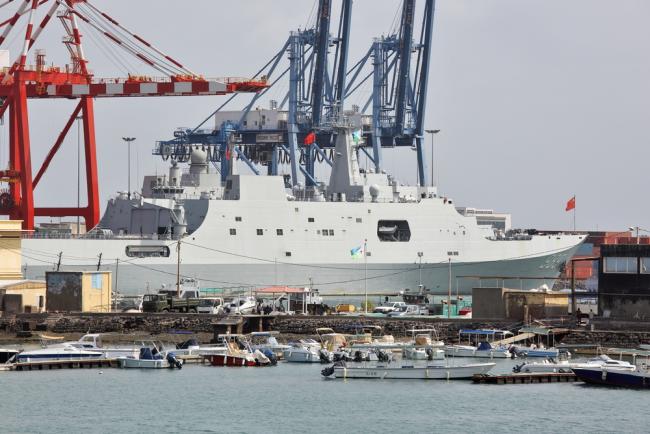
China in Djibouti: A military base with Chinese characteristics?
Last February, the Chinese Defense Ministry confirmed the launch of the construction of a Chinese military base in Djibouti. For a long time, Chinese officials had insisted that China would never build military bases or to station troops abroad.
Trump's Vice President: Attempting to heal the Republican rift
The announcement of Mike Pence as Republican presidential nominee Donald Trump’s running mate on July 15 was decidedly lackluster, if not downright awkward. Far from his normal persona of self-assurance to the point of hubris, Trump seemed uncomfortable and even nervous throughout, shifting plans and issuing contradictory statements in the days leading up to his running mate’s finalization.
As Pence’s name began to circulate last week, Trump signaled his malaise by insisting that the leaks were not a “final, final decision,” revealing his inability to confidently stick to Pence. Trump cancelled his first joint event with Pence scheduled for Friday, citing a desire to pay tribute to the victims of the attack in Nice, France the day prior; regardless, Trump drew attention back to himself and announced his choice on Friday evening anyway, via Twitter. Insiders reported that Trump sought assurance from advisors that Pence was the man for the job, even as Trump’s campaign fielded a last-minute appeal from New Jersey Governor Chris Christie.
The selection of Pence represents Trump committing himself to the Republican Party and its unification. Alliance building is Trump’s strategy, but drawing in Republicans is risky as it requires shunning others. A polarizing candidate is what Trump feels his campaign needs but comes with the unease of sacrificing his ability to say or do whatever he pleases, Trump’s characteristic trademark.
Hillary Clinton et le leadership américain
Hillary Clinton, the frontrunner in the U.S. presidential election, has plans for American foreign policy. Clinton wants ISIS and Bashar Al-Assad out of Syria and to focus on human rights in trade negotiations with China. Now, Clinton and her campaign hope that voters will believe in her vision and her ability to make it happen.
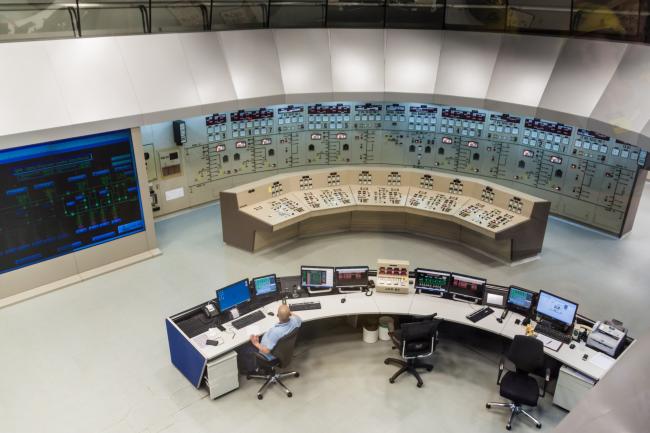
Cyber Attacks: A New Threat to the Energy Industry
The Network and Information Security (NIS) Directive has been adopted on July 6th, 2016 by the European Parliament, three years after the initial proposal by the European Commission. It paves the way for a much needed common cyber security strategy within the EU. This Edito explains the reasons why the energy industry is particularly vulnerable to cyber attacks, and what tools this new directive brings about to protect European critical infrastructures.