






3454 publications

COP21 : Haro sur le charbon
Despite a landmark agreement on climate in December 2015, reducing the share of coal in the world energy mix will remain extremely difficult. This paper analyses five large consumers choices in terms of coal and clean coal technologies.
Russia’s Immigration Policy: New Challenges and Tools
A new stage in the development of Russia's migration policy is upon us. Since 2010, legal amendments and the Concept of Migration Policy of the Russian Federation to 2025, adopted in June 2012, marked a clear change in how migration flows are regulated, the aim being now to maximise the economic benefit of labour migration.
Le programme économique des Républicains, quelles idées pour 2016 ?
Republican candidates in the 2016 primaries have trouble standing out on economic issues. Indeed, they all embrace the same conservative tenets, namely the reduction (at all costs) of federal power in the name of liberty ; and tax cuts for the wealthy in the name of "trickle-down economics", a theory already put forward by the Reagan administration.
Hybrid Warfare in the Strategic Spectrum: an Historical Assessment
"Hybrid Warfare" is a fashionable concept, but in order fo it to be really relevant, it has to be visualized within the whole strategic spectrum.
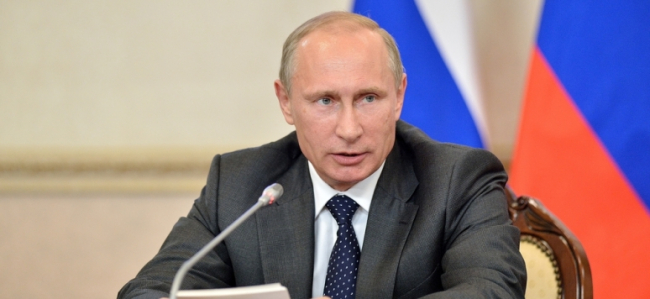
“Conservatism” in Russia: Political Tool or Historical Choice?
President Vladimir Putin’s third term of office proceeds under the “conservative shift.” Does this mean that the Russian government has finally opted for conservatism as its official—though not state—ideology, with long-term consequences for both its domestic policy and foreign policies?
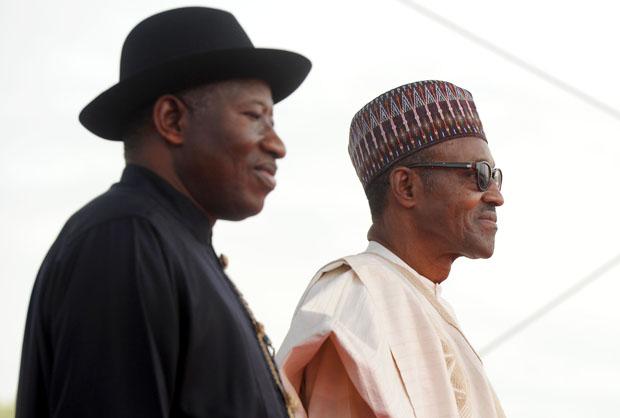
Nigeria: From Goodluck Jonathan to Muhammadu Buhari
Nigeria has experienced a political changeover due to the presidential and parliamentary elections on 28 March 2015, enabling Muhammadu Buhari – a retired general who was in power between 1983 and 1985 – to return to office. The deadline of 2015 represented for him a fourth attempt after his consecutive failures in the 2003, 2007 and 2011 presidential elections.
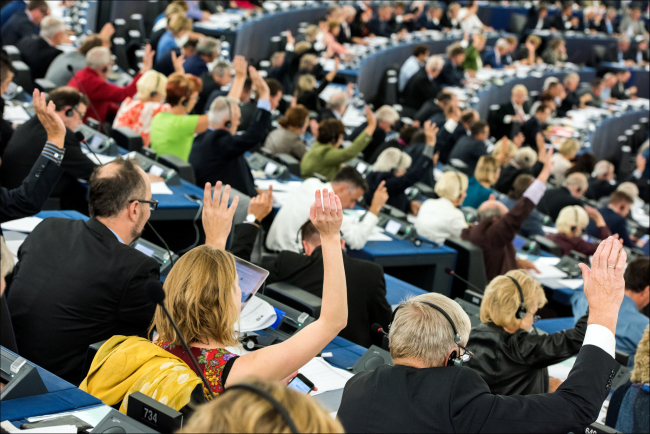
Visions of EU Reform - Written evidence to the House of Lords
Vivien Pertusot provided written evidence to the inquiry of the EU Select Committee of the UK's House of Lords on "Visions of EU Reform". This inquiry is organised in the context of the UK Government's renegotiation and future referendum on the EU.
Shadows on Israeli Gas Success Story: a Political and Geopolitical Risk Analysis
In Israel, both the regional geopolitical context and domestic politics play an important role in the development of the offshore gas fields.