








Practical information
Themes and regions
Related centers and programs
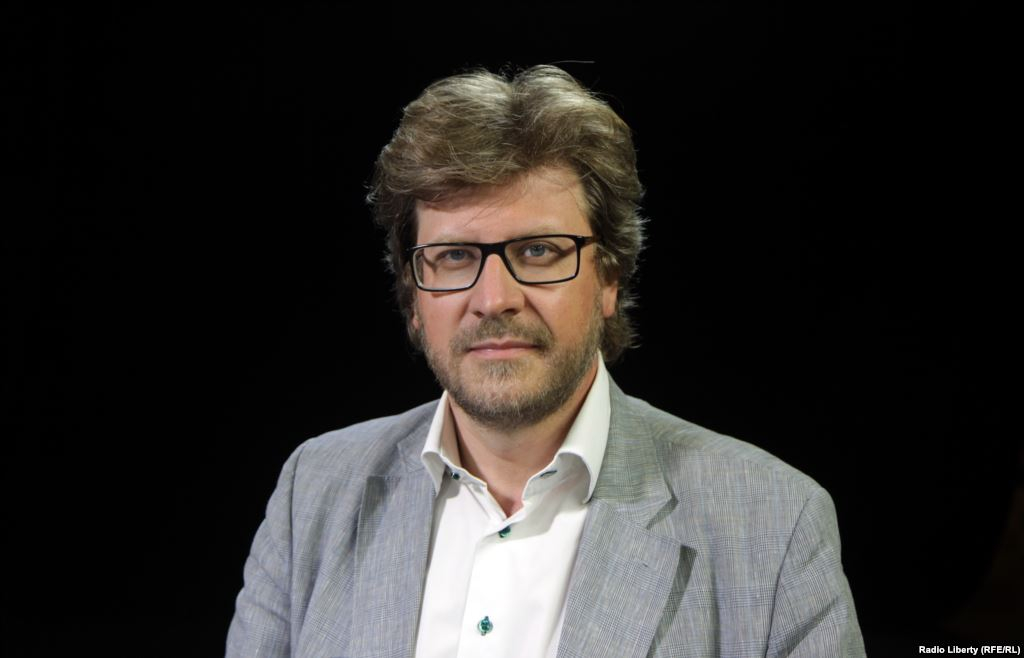
A closed seminar organized by the Russia/NIS Centre, with Fyodor LUKYANOV, Editor in Chief of the journal "Russia in Global Affairs", Chairman of Presidium of the Council on Foreign and Defense Policy (Moscow).
Crimea’s annexation, the war in Eastern Ukraine, the sharp increase in military spending, the bombings in Syria urge the West to see Russia’s foreign policy as particularly offensive. In turn, Russia accuses the West of imposing its own conception of international relations, particularly in its "Near Abroad", and not taking into account Russia’s security interests that Moscow now intends to firmly defend. Two visions of the world seem incompatible, fueling geopolitical risks at both regional and global levels.
Chair: Tatiana KASTOUEVA-JEAN, Head, Russia/NIS Centre, Ifri
This debate will be held in English
Related Subjects
Other events
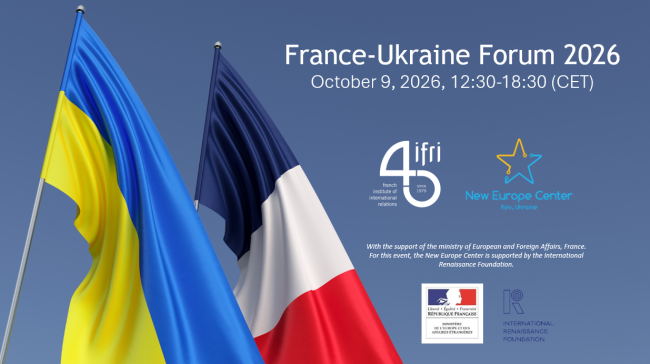
France-Ukraine Forum 2026
More than four and a half years after the start of the full-scale war launched by Russia against Ukraine, the 2026 France-Ukraine Forum will bring together policymakers, experts, academics, and civil society representatives from both countries to discuss three main topics: the formats and conditions for a lasting diplomatic settlement; Ukraine’s Euro-Atlantic integration, encompassing both the EU accession process and closer ties with NATO; and the societal transformations of postwar Ukraine, as well as its prospects for reconstruction.
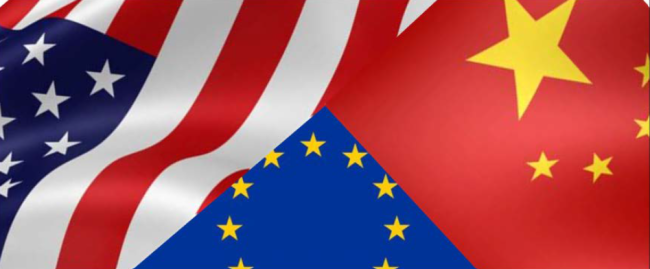
The EU in a World of Economic Warfare: Trade, Geopolitics, and the Battle for Economic Sovereignty
The international trading system has become a primary theatre of geopolitical competition. Tariffs, sanctions, and technology controls have replaced dialogue as the default instruments of economic relations.
The Road to 27 Electrification Action Plans: Planning and Investing in Europe’s Electric Future
The European Commission’s Electrification Action Plan places the continent on an electric path to structurally reduce dependence on fossil fuel imports and boost the energy transition in industry, transport and buildings.