







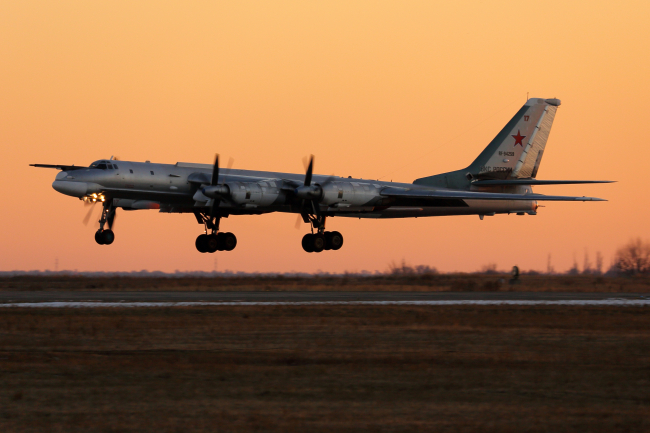
The Plight of Russia’s Air Power in the Ukraine War: Drone-Driven Innovations and Transformation of Traditional Air Force
Since the start of the Ukraine War, Russian strategic guidelines on the application of air power—seen as the decisive instrument for achieving success in modern wars—have proven to be outdated, irrelevant and even self-defeating.
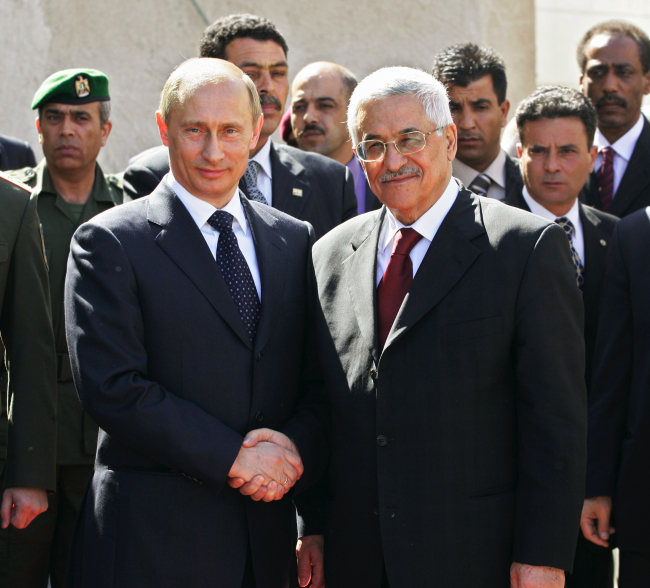
Russia, the Palestinians and Gaza: Adjustments after October 7th
The Soviet Union (USSR), and subsequently the Russian Federation as its internationally recognized legal successor, has consistently sought to play a visible role in efforts to resolve the Israeli-Palestinian conflict.
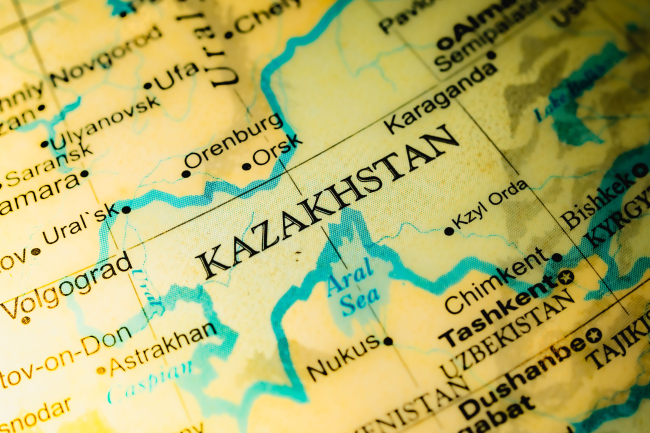
Kazakhstan After the Double Shock of 2022: Political, Economic and Military Consequences
The year 2022 represented a dual shock for Kazakhstan. In January, the country faced its most severe political crisis since independence, followed in February by Russia’s full-scale invasion of Ukraine, which cast uncertainty over the borders of post-Soviet states. These consecutive crises profoundly shaped Kazakhstan’s domestic and foreign policy.
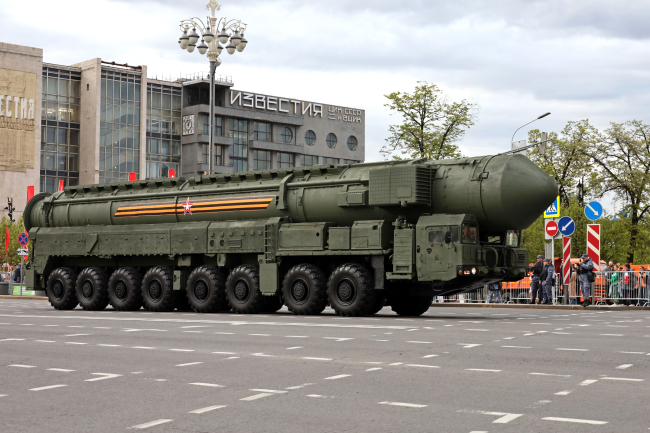
Russia's Nuclear Deterrence Put to the Test by the War in Ukraine
From the outset of its “special military operation” (SVO) against Ukraine on February 24, 2022, Russia, which possesses one of the world’s largest nuclear arsenals, has adopted aggressive deterrence measures and a resolutely menacing rhetorical stance.

Putin Eyes Peacemaking Role In Israel-Iran Air War
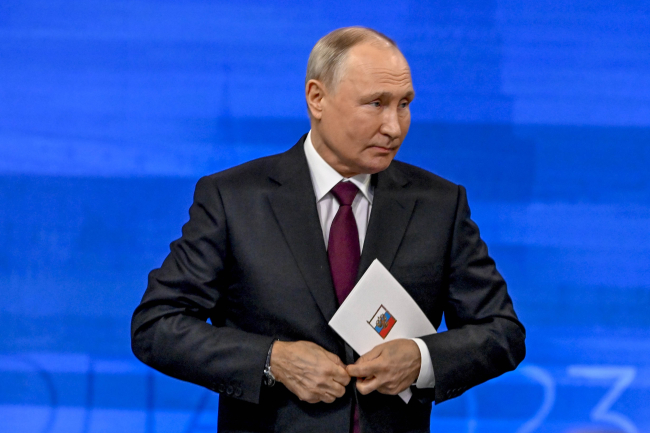
Vladimir Putin is eyeing the conflict between Israel and Iran as an opportunity to thrust himself to the forefront of the international stage, more than three years into his invasion of Ukraine.
The Contradictory Impacts of Western Sanctions on Economic Relations between Russia and Sub-Saharan Africa
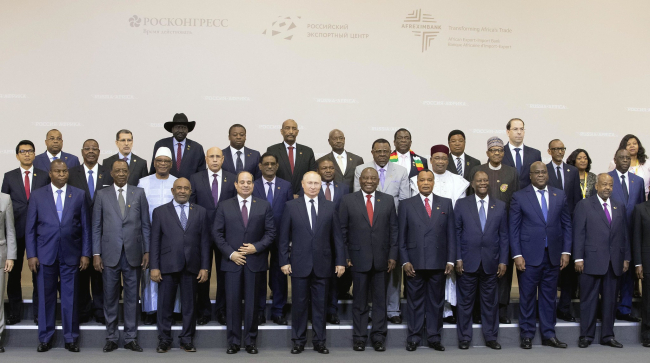
How does Russia maintain economic ties with Africa despite Western sanctions? An analysis of investments, trade, and the circumvention strategies deployed by Moscow.
Russia and the New BRICS Countries: Potentials and Limitations of a Scientific and Technological Cooperation
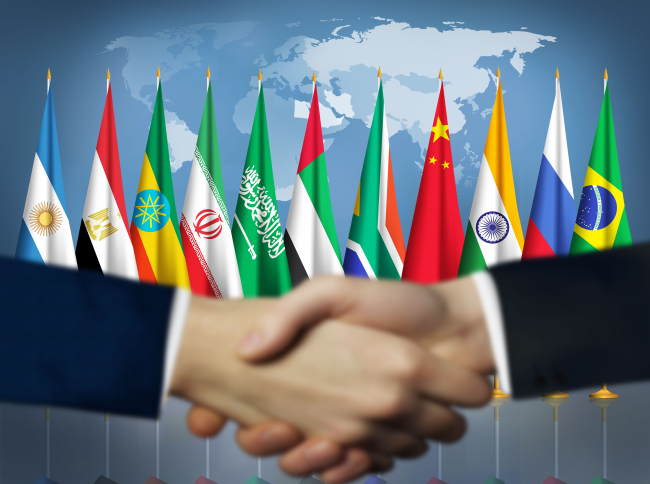
At the fifteenth BRICS summit, held in Johannesburg, South Africa, from August 22 to 24, 2023, a resolution was adopted to extend an invitation to six new countries to join the organization: Argentina, Egypt, Ethiopia, Iran, Saudi Arabia, and the United Arab Emirates (UAE). All of these countries except Argentina duly became members of BRICS in 2024, with the expanded group known as BRICS+. In addition to the political and economic advantages, it is assumed that the incorporation of these new countries could potentially facilitate their scientific and technological development.
Russia in the Arctic: The End of Illusions and the Emergence of Strategic Realignments
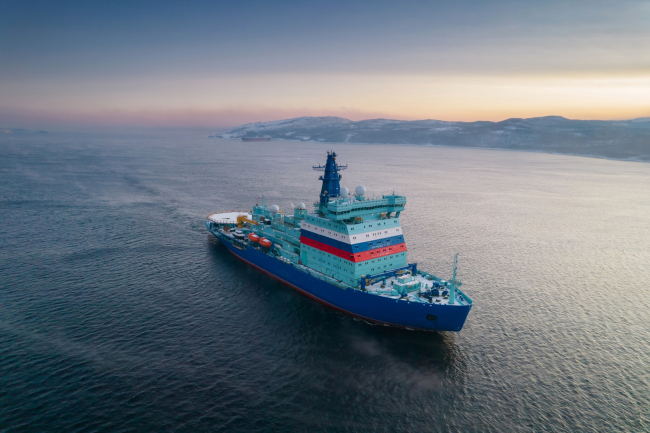
Russia’s full-scale invasion of Ukraine has triggered profound changes in the Arctic region, the consequences of which remain uncertain in the long term.
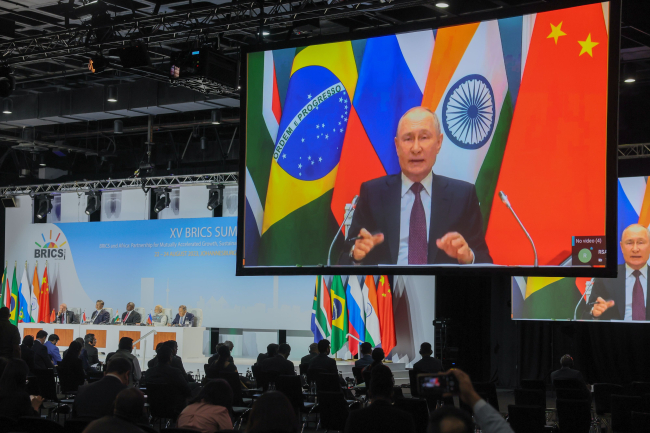
Between Aspiration and Reality: Russia in the World (Dis)order
The world has rarely seemed more disorderly than it is today. But in this anarchic environment, some things are constant.
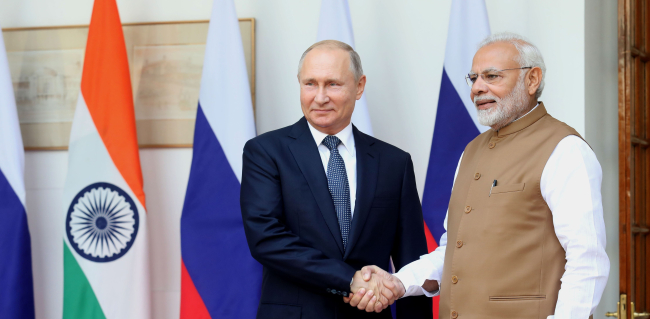
India-Russia Relations in Troubled Times: Steady but Stagnating
This paper examines the trajectory of India-Russia relations post-February 2022. The war in Ukraine emerged as a significant challenge for bilateral ties, presenting new obstacles to political and diplomatic relations and intensifying the previous difficulties in developing economic cooperation.
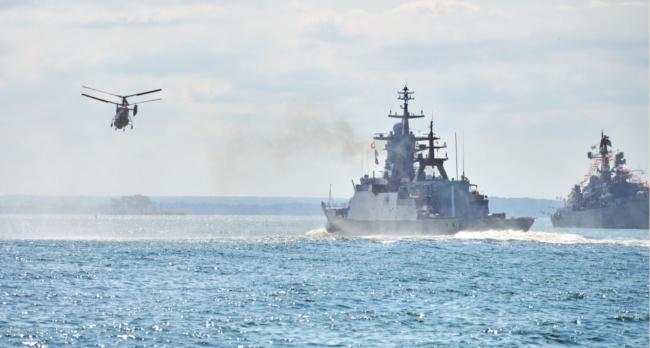
Russia’s New Challenges in the Baltic/Northern European Theater
The long war in Ukraine has brought a drastic geopolitical reconfiguration of the Baltic theater and a deep shift in the military balance between Russia and the North Atlantic Treaty Organization (NATO).


Gaza-Israel conflict: Opportunity and risk for Russia's Putin
The conflict between Hamas and Israel is both an opportunity and a risk for Russian President Vladimir Putin, who has been mired in pressing his invasion of Ukraine for the past 19 months.

Gaza-Israel conflict: Opportunity and risk for Russia's Putin
The conflict between Hamas and Israel is both an opportunity and a risk for Russian President Vladimir Putin, who has been mired in pressing his invasion of Ukraine for the past 19 months.

Gaza-Israel conflict: Opportunity and risk for Russia's Putin
The conflict between Hamas and Israel is both an opportunity and a risk for Russian President Vladimir Putin, who has been mired in pressing his invasion of Ukraine for the past 19 months.
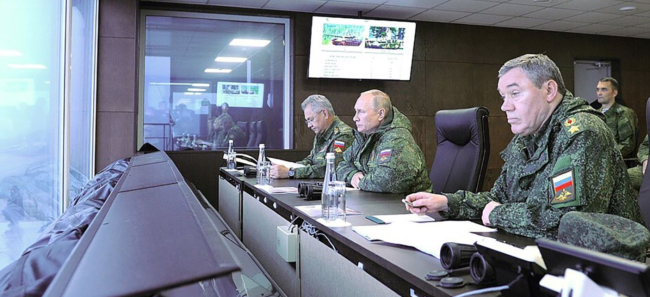
What Does the Russian Army Think About its War in Ukraine? Criticisms, Recommendations, Adaptations
The Russian army is very critical of its war in Ukraine. Not just of the first phase of the failed special military operation (SVO), which was inspired by the theorization of bypassing, but also of the strategic deterrence phase that preceded it.

The Sino-Russian Partnership: Assumptions, Myths and Realities
When Xi Jinping and Vladimir Putin announced a “no limits friendship” at their February 2022 summit, the message was that Beijing and Moscow had reached a new peak in relations.
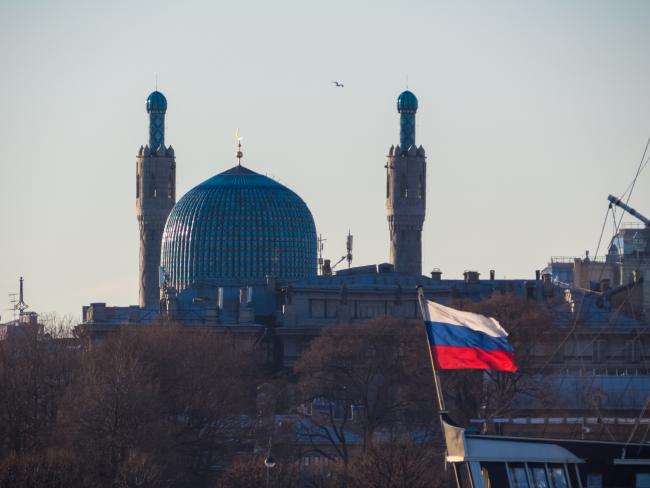
Russia at War and the Islamic World
While Russia’s military invasion of Ukraine has resulted in a decoupling with the West on a scale not seen since the worst years of the Cold War, Russia has not been isolated from the non-Western world and has even reinvested its diplomatic energy toward the Global South.
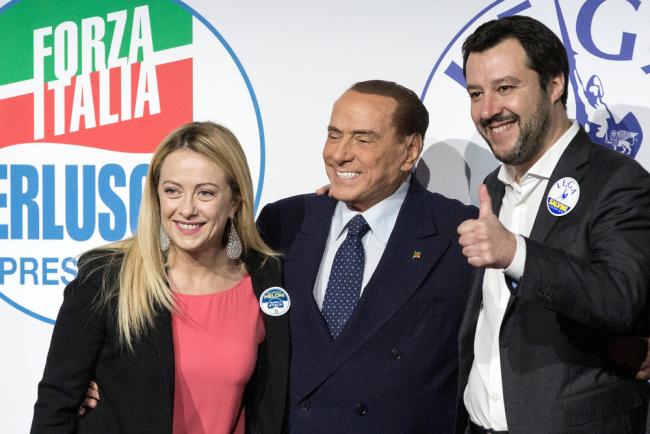
Putin’s Friends? The Complex Balance Inside Italy’s Far-Right Government Coalition
Italy’s new far-right government has been widely perceived as the potential weak spot of the anti-Kremlin European front following Russia’s invasion of Ukraine: traditionally pro-Putin politicians such as Matteo Salvini and Silvio Berlusconi are back in power. Yet, after Mario Draghi’s hawkish Euro-Atlantic government fell in July and Giorgia Meloni was looking forward to a probable victory, she immediately sided with the European Union and the North Atlantic Treaty Organization in a firm condemnation of Russia.
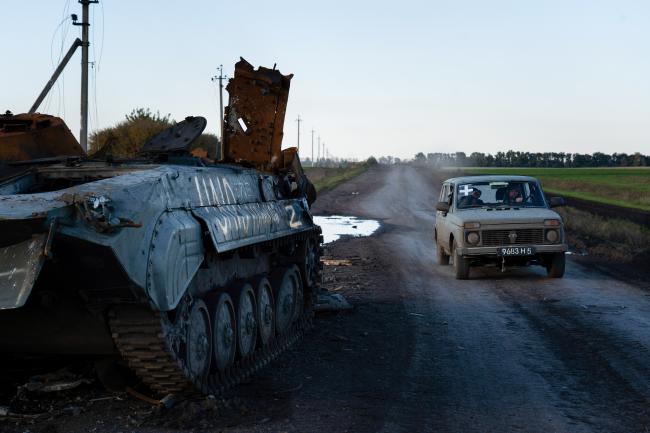
Russia’s War in Ukraine: Misleading Doctrine, Misguided Strategy
The blame for committing the blunder of starting the war with Ukraine is deservedly placed on President Vladimir Putin, but a single-explanation interpretation of the unfolding disaster is unsatisfactory.
The War in Ukraine: Echoes of Korea?
The war in Ukraine has revived discussion about the Washington-Beijing-Moscow triangle as well as Europe’s place in the geopolitical power struggles.
The Plight of Russia’s Air Power in the Ukraine War: Drone-Driven Innovations and Transformation of Traditional Air Force
Since the start of the Ukraine War, Russian strategic guidelines on the application of air power—seen as the decisive instrument for achieving success in modern wars—have proven to be outdated, irrelevant and even self-defeating.
Russia, the Palestinians and Gaza: Adjustments after October 7th
The Soviet Union (USSR), and subsequently the Russian Federation as its internationally recognized legal successor, has consistently sought to play a visible role in efforts to resolve the Israeli-Palestinian conflict.
Kazakhstan After the Double Shock of 2022: Political, Economic and Military Consequences
The year 2022 represented a dual shock for Kazakhstan. In January, the country faced its most severe political crisis since independence, followed in February by Russia’s full-scale invasion of Ukraine, which cast uncertainty over the borders of post-Soviet states. These consecutive crises profoundly shaped Kazakhstan’s domestic and foreign policy.
Russia's Nuclear Deterrence Put to the Test by the War in Ukraine
From the outset of its “special military operation” (SVO) against Ukraine on February 24, 2022, Russia, which possesses one of the world’s largest nuclear arsenals, has adopted aggressive deterrence measures and a resolutely menacing rhetorical stance.
The Contradictory Impacts of Western Sanctions on Economic Relations between Russia and Sub-Saharan Africa
How does Russia maintain economic ties with Africa despite Western sanctions? An analysis of investments, trade, and the circumvention strategies deployed by Moscow.
Russia and the New BRICS Countries: Potentials and Limitations of a Scientific and Technological Cooperation
At the fifteenth BRICS summit, held in Johannesburg, South Africa, from August 22 to 24, 2023, a resolution was adopted to extend an invitation to six new countries to join the organization: Argentina, Egypt, Ethiopia, Iran, Saudi Arabia, and the United Arab Emirates (UAE). All of these countries except Argentina duly became members of BRICS in 2024, with the expanded group known as BRICS+. In addition to the political and economic advantages, it is assumed that the incorporation of these new countries could potentially facilitate their scientific and technological development.
Russia in the Arctic: The End of Illusions and the Emergence of Strategic Realignments
Russia’s full-scale invasion of Ukraine has triggered profound changes in the Arctic region, the consequences of which remain uncertain in the long term.
India-Russia Relations in Troubled Times: Steady but Stagnating
This paper examines the trajectory of India-Russia relations post-February 2022. The war in Ukraine emerged as a significant challenge for bilateral ties, presenting new obstacles to political and diplomatic relations and intensifying the previous difficulties in developing economic cooperation.
Putin’s Friends? The Complex Balance Inside Italy’s Far-Right Government Coalition
Italy’s new far-right government has been widely perceived as the potential weak spot of the anti-Kremlin European front following Russia’s invasion of Ukraine: traditionally pro-Putin politicians such as Matteo Salvini and Silvio Berlusconi are back in power. Yet, after Mario Draghi’s hawkish Euro-Atlantic government fell in July and Giorgia Meloni was looking forward to a probable victory, she immediately sided with the European Union and the North Atlantic Treaty Organization in a firm condemnation of Russia.
Russia’s War in Ukraine: Misleading Doctrine, Misguided Strategy
The blame for committing the blunder of starting the war with Ukraine is deservedly placed on President Vladimir Putin, but a single-explanation interpretation of the unfolding disaster is unsatisfactory.
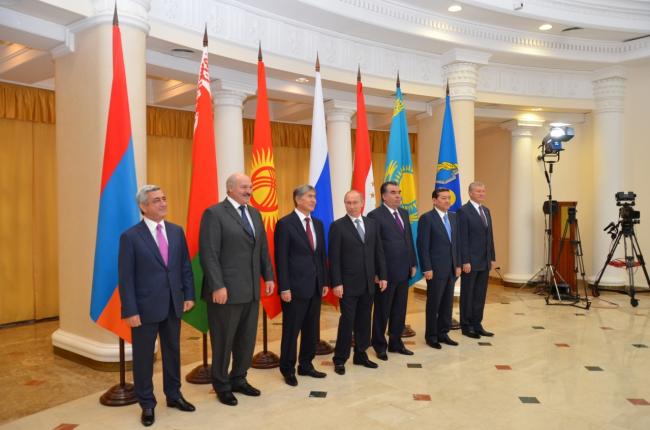
Reflection on Russia’s Changing Image in the Post-Soviet Region
The two years preceding the Russian invasion of Ukraine suggested that Russia had adopted a measured policy toward the post-Soviet space. Faced with social protests in Belarus, a coup in Kyrgyzstan, the victory of pro-European president Maia Sandu in Moldova, the second war in Nagorno-Karabakh, and riots in Kazakhstan, Russia showed diplomatic ability without any hard arm-twisting of partners. In 2020, then Carnegie Moscow Center director Dmitry Trenin even concluded that “there will be no new edition of the empire”. The war in Ukraine has completely changed this analysis.
Dialogue with Russia. Russia Needs to Reset Relations with the West
This report analyses Western-Russian relations and proposes a way forward for conducting dialogue with Russia. It offers an analysis of Russia’s relations with NATO and the EU, an overview of the bilateral relations of various Western countries with Russia, a glimpse of China’s role, and an assessment of the main interests and contentious issues in Western-Russian relations.
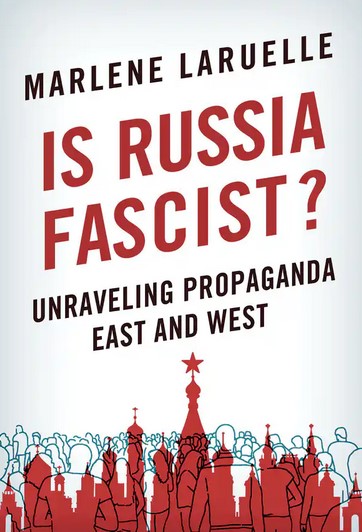
Is Russia Fascist? Unraveling Propaganda East and West
The charge of "fascism" has become a strategic narrative of the current world order.
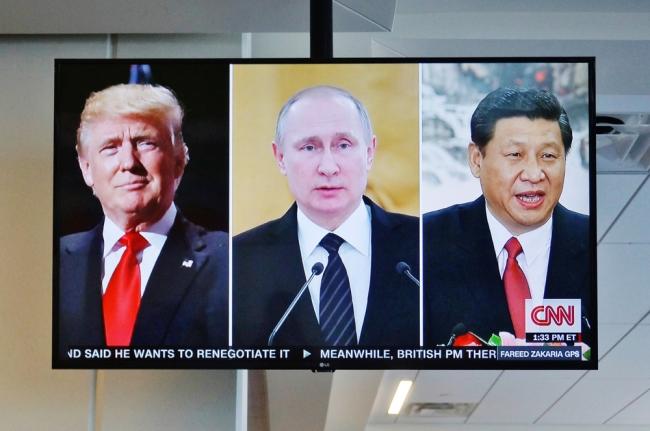
Global Order in the Shadow of the Coronavirus: China, Russia and the West
The coronavirus pandemic has thrown a harsh spotlight on the state of global governance. Faced with the greatest emergency since the Second World War, nations have regressed into narrow self-interest. The concept of a rules-based international order has been stripped of meaning, while liberalism faces its greatest crisis in decades.
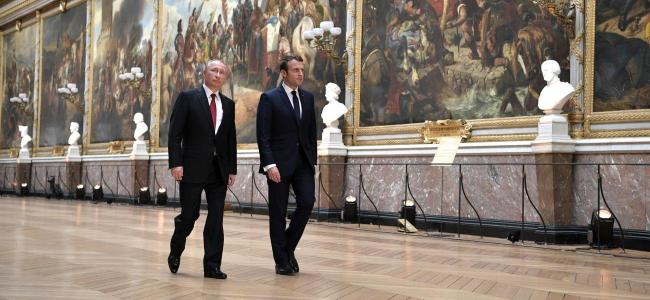
Is a 'Reset' Between France and Russia Needed and, If So, Is It Possible?
As Emmanuel Macron hosts Angela Merkel, Vladimir Zelenskiy, and Vladimir Putin for a summit aimed at resolving the Ukraine conflict, it is worth taking stock of the French leader’s Russia policy to try to discern what Paris’s policy toward Moscow can and cannot achieve.
Greater Eurasia: The Emperor’s New Clothes or an Idea whose Time Has Come?
The Greater Eurasia project has emerged as the poster-child of Vladimir Putin’s foreign policy, symbolic of a resurgent and self-confident Russia.
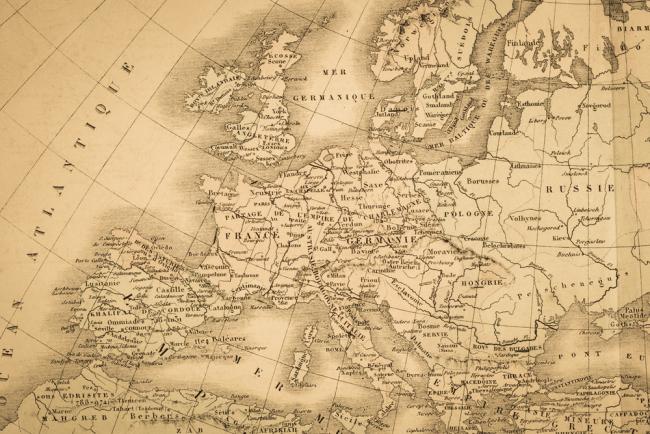
Imagined Geographies of Central and Eastern Europe: The Concept of Intermarium
Like the proverbial cat, some concepts have several lives. Or, like the mythological phoenix, they can be reborn from the ashes. This is certainly the case of the Intermarium, a geopolitical concept that envisaged an alliance of countries reaching from the Baltic Sea over the Black Sea to the Aegean Sea that would serve as a third power bloc between Germany and Russia.
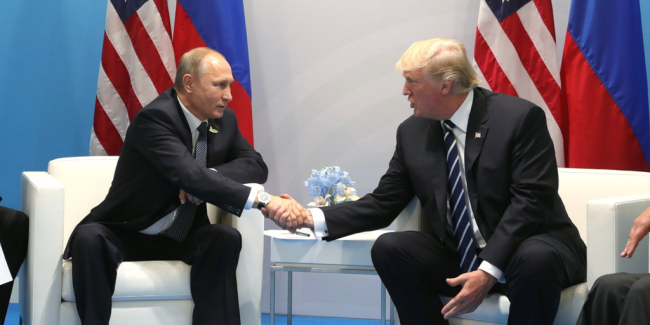
In Helsinki, Putin Can Grant Trump Great Success, of Sorts
The July 16, 2018, face-to-face between President Trump and Russian President Vladimir Putin is both entirely natural and extremely unconventional, very encouraging and deeply disturbing.
Japan and Russia’s Small Steps Strategy
On the eve of the Vladivostok Summit, should we expect any significant progress in the laborious rapprochement between Japan and Russia?
The NPT and the Origins of NATO’s Nuclear Sharing Arrangements
Russia has recently accused the United States and NATO Allies of violating the Treaty on the Non-Proliferation of Nuclear Weapons (NPT) by arguing that NATO's nuclear sharing arrangements are not permitted under the Treaty.
Putin Eyes Peacemaking Role In Israel-Iran Air War
Vladimir Putin is eyeing the conflict between Israel and Iran as an opportunity to thrust himself to the forefront of the international stage, more than three years into his invasion of Ukraine.
Gaza-Israel conflict: Opportunity and risk for Russia's Putin
The conflict between Hamas and Israel is both an opportunity and a risk for Russian President Vladimir Putin, who has been mired in pressing his invasion of Ukraine for the past 19 months.
Gaza-Israel conflict: Opportunity and risk for Russia's Putin
The conflict between Hamas and Israel is both an opportunity and a risk for Russian President Vladimir Putin, who has been mired in pressing his invasion of Ukraine for the past 19 months.
Gaza-Israel conflict: Opportunity and risk for Russia's Putin
The conflict between Hamas and Israel is both an opportunity and a risk for Russian President Vladimir Putin, who has been mired in pressing his invasion of Ukraine for the past 19 months.

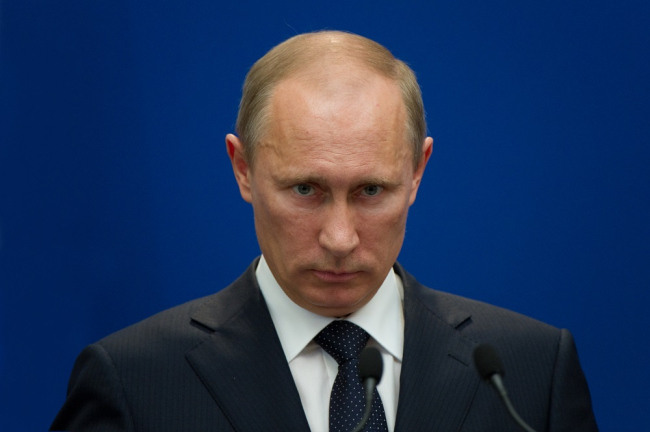
Moscow’s tried and tested Georgia strategy now tailored for Ukraine
Western powers appear unable to thwart Putin’s strategy to reassert Russian influence

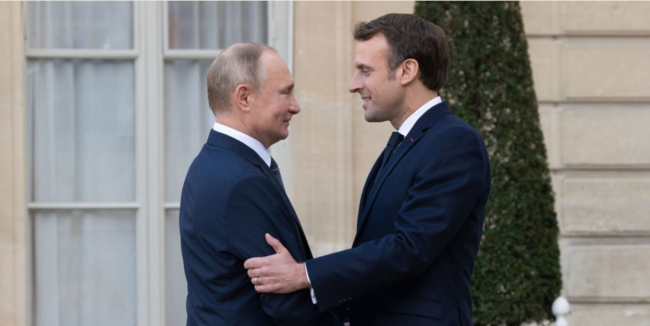
Kremlin Is Top Destination For Spooked European Leaders
Rarely in recent years has the Kremlin been so popular with European visitors. French President Emmanuel Macron arrives Monday. The Hungarian prime minister visited last week. And in days to come, the German chancellor will be there, too. All are hoping to get through to President Vladimir Putin, the man who singlehandedly shapes Russia’s course amid its military buildup near Ukraine and whose designs are a mystery even for his own narrow inner circle.

Exclusive: Western Intelligence Fears New Russian Sat-Nav’s Espionage Capabilities
GLONASS, Moscow’s answer to GPS, is set to launch an upgraded satellite network later this year, which it hopes to sell to the U.S. and Europe. Buyer beware.

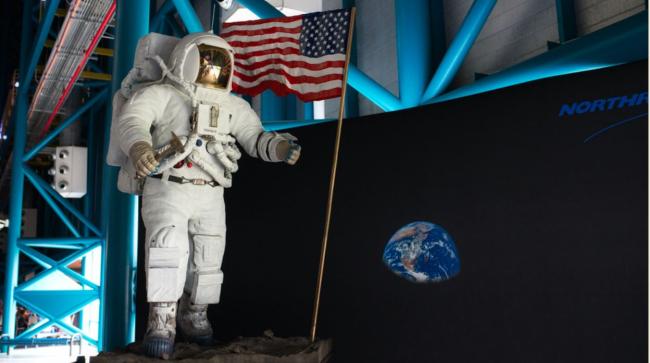
Destination Moon: is it time for us to send astronauts back?
The series For All Mankind (2019) is a fictional alternate history that imagines a world where the Soviet Union was the first power to send an astronaut to the moon. From that starting point, the two rival superpowers compete to establish their own lunar station.

Russia’s spat with EU puts relations into deep-freeze
Kremlin stance is blow to European countries which favour outreach to Moscow. Russia’s combative treatment of the EU’s top diplomat during a landmark trip there has triggered a political outcry — but little expectation that the European bloc will end divisions over how to handle the Kremlin.

Navalny poisoning shatters Macron's Russia reset dream
The poisoning of Russian opposition figure Alexei Navalny with the Novichok nerve agent has dealt a blow to French President Emmanuel Macron's strategy of rapprochement with Russia, which troubled some EU allies, analysts say.

Anna Myroniuk: Peace in Donbas can’t mean capitulating to Russia
Editor’s Note: This opinion piece was written based on the experience of Kyiv Post staff writer Anna Myroniuk, a native of Donetsk, on a trip to Paris at the invitation of the French Ministry of Foreign Affairs, which sponsored a visit by Ukrainian journalists in early February. In Paris, the reporters had a chance to speak with top-level decision-makers and hear their views on how to end Russia’s war in the Donbas.
France pushes risky bet on detente with Moscow
Paris (AFP) - French President Emmanuel Macron senses an opportunity to bring Russia's Vladimir Putin back in from the cold and potentially help usher in peace in Ukraine, an ambitious -- and risky -- undertaking that Western allies might not welcome.
China, Russia rise in CAR as Western influence shrinks
Russia and China are muscling their way into the Central African Republic as Western clout in the mineral-rich, strategically important nation seems to wane, analysts say.


RT Brings Its Russian Perspective to France
RT, dubbed as an "organ of influence and deceitful propaganda" by President Emmanuel Macron in May during a joint news conference with Vladimir Putin, has now launched RT France. Has France become the latest front in Russia's information war?
Siloviki: What Influence on Russia's Domestic and Foreign Policy?
3 questions to Mark GALEOTTI, Senior Researcher at the Institute of International Relations Prague, Director of Mayak Intelligence consultancy.
What evolution of US-Russia relationship after Trump’s election? A Russian point of view
3 questions to Andrey KORTUNOV, Director General of the Russian International Affairs Council (RIAC).
What evolution of US-Russia relationship after Trump’s election? An American point of view
3 questions to Stephen SZABO, Executive Director, Transatlantic Academy.
Ifri, a foundation recognized as being of public utility, relies largely on private donors – companies and individuals – to guarantee its sustainability and intellectual independence. Through their funding, donors help maintain the Institute's position among the world's leading think tanks. By benefiting from an internationally recognized network and expertise, donors refine their understanding of geopolitical risk and its consequences on global politics and the economy. In 2026, Ifri partners with over 90 French and international companies and organizations.
