




Practical information
Following the publication of a study about “Shale Gas in Poland, United Kingdom, Danmark: Toward an European Model?” conducted by Sylvie Cornot-Gandolphe, Ifri Center for Energy organizes a roundtable conference with: Sylvie Cornot-Gandolphe, Associate Research Fellow at Ifri Centre for Energy, Thierry Deschuyteneer, Executive Secretary, Gas Infrastructure Europe (GIE), and Serge Heidrich, Partner, KPMG. Introduction by Jacques Lesourne, Chairman of the Scientific Committee of the Ifri Center for Energy. Chaired by Marie-Claire Aoun, Director, IFRI Centre for Energy and William C. Ramsay, Senior Advisor to the Ifri Center for Energy.
The Ukrainian crisis puts EU energy security back to the top of the political agenda. Two measures to increase gas source diversification have been intensively discussed lately: importing US LNG and/or developing the EU domestic shale gas resources. What volumes can the EU expect from these new gas sources? Will they be competitive on the EU gas market?
At the same time, Europe is still struggling to define a common position on shale gas development. Sylvie Cornot-Gandolphe will address how the experiences of Poland, United Kingdom and Denmark provide useful insights on the policy framework needed at an EU level to ensure a sustainable development and social acceptability.
US LNG export potential will then be addressed by Serge Heidrich and Thierry Deschuyteneer will conclude with the European LNG import potential to ensure EU security of supplies.
Other events
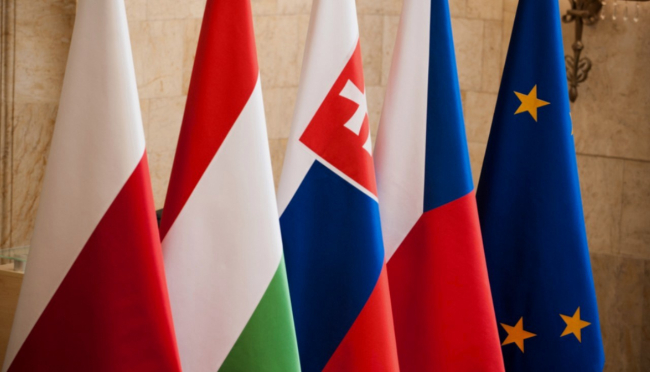
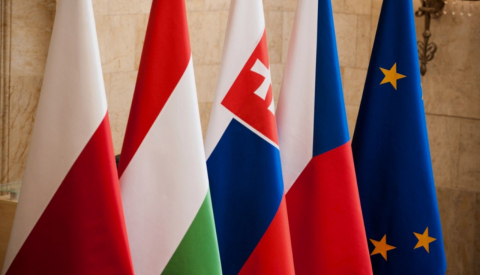
A New Moment for Central Europe? Regional Cooperation in a Time of European Strategic Choices
Recent political developments in Central Europe have revived the debate about the future of regional cooperation and the Visegrád Group. Changes in Hungary, Poland, the Czech Republic and Slovakia, together with Austria’s growing interest in closer cooperation with its neighbours, could create new opportunities for dialogue and coordination around shared priorities.
China’s Nuclear Buildup: Developments, Drivers, and Implications for Major-Power Relations and Arms Control
China has been steadily expanding its nuclear arsenal for several years amid levels of geopolitical tension unseen since the end of the Cold War, marked by a resurgence in nuclear proliferation and a broader, global arms race.

Reinventing Coordination in an Age of Fragmentation
The world economy is being reordered. The certainties of the post-Cold War era, open trade, dollar centrality, predictable multilateral coordination, are giving way to a landscape shaped by rivalry between the United States and China, the weaponization of interdependence, and a scramble to secure supply chains, technologies and critical resources. What once looked like a stable architecture now appears fragile, contested, and in places actively being dismantled.