



Fossil Energies
The geopolitics of hydrocarbons - how are global balances changing, and what are the implications for Europe, emerging and rentier states, as well as for energy transitions?
Related Subjects
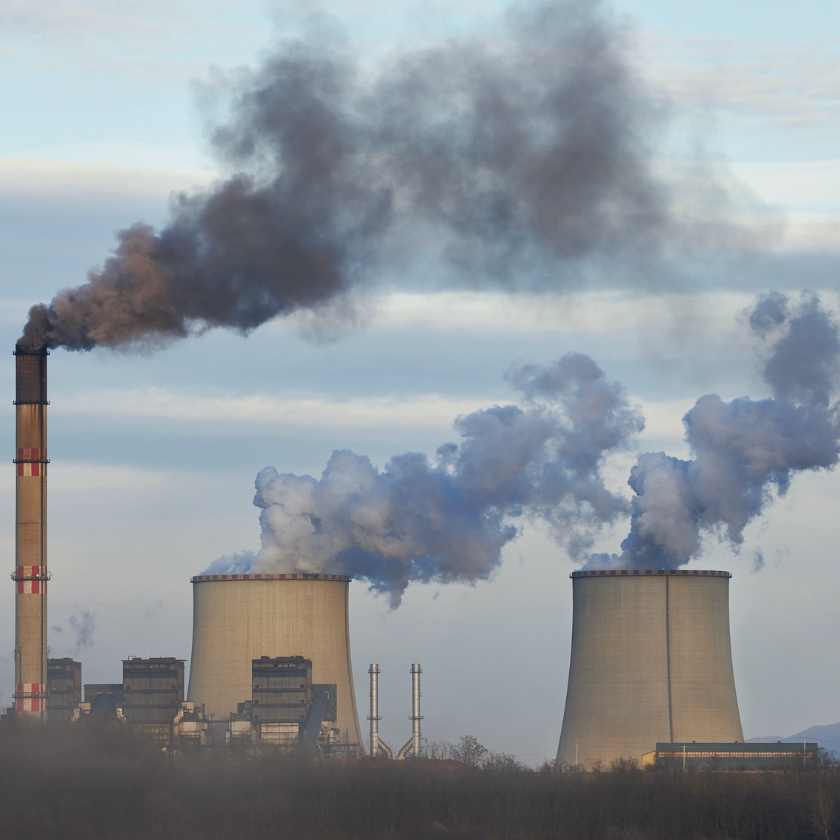
Gazprom as a Predictable Partner. Another Reading of the Russian-Ukrainian and Russian-Belarusian Energy Crises
The recent crises over oil & gas deliveries from Russia to Ukraine and Belarus have triggered alarm and virulent criticism in the West.
Gazprom, the Fastest Way to Energy Suicide
Russia is an unavoidable actor in world energy geopolitics. It is also the biggest energy partner of a European Union (EU) that is becoming ever more dependent on outside sources for its energy needs. However, the future of Russia's largest company-Gazprom-and the development of its future production capacities are at the center of a complex financial and political game dominated by numerous uncertainties, including Gazprom's actual reserves, its ability to invest in exploration and production, and its very capacity to develop production. Indeed, back in state hands, Russian gas and oil companies-Gazprom included-do not appear to be in a position to meet their future production commitments. Gazprom's ability to honor its contracts with gas companies in the EU is in fact already the subject of numerous interrogations.
The EU-Russia Energy Dialogue: Competition Versus Monopolies
Russia and the European Union have clearly entered a new stage in their energy relations, defined by a growing asymmetry between a strengthened national monopoly on the supply side and a gradual opening of markets in Europe. In this context, a multitude of new approaches to EU-Russia relations have been voiced recently by a wide variety of experts. Unfortunately, many of them involve 'defensive' solutions, driven by lack of mutual trust on both sides. Is a positive approach nevertheless still possible? The paper argues that competition is a key universal value in the development of a new and sustainable energy relationship between Russia and Europe. It is clear that EU competition regulators should take the lead in setting up a new framework for EU-Russia energy relations in the future. The success of their endeavors will not only determine the security of energy supply for European consumers, but also that of the Russian and Eurasian energy markets.
Replay - Conference with Espen Barth Eide, Minister of Foreign Affairs of Norway
Since the invasion of Ukraine by Russia in 2022, Norway has become the European Union’s leading supplier of gas. This position could be further strengthened given the ongoing war in the Middle East.
Replay - Conference with Chris Wright, Secretary, U.S. Department of Energy
Welcomed at the French Institute of International Relations (Ifri), Chris Wright outlined his vision of American energy policy built around two core axes: the human reality of energy access, and a data-driven approach. For the Secretary, energy is the foundation of prosperity, health, and longer life expectancy on a global scale. His doctrine rests on an ambition of American "energy dominance" — not merely independence, but the capacity to produce at scale in order to lower domestic costs, reindustrialize the country, and support U.S. allies.
Geopolitics of Climate Change - World Policy Conference 2024 (Plenary Session)
Plenary session 6: Geopolitics of Climate Change. Friday, December 13, 2024 - 17th edition of the World Policy Conference in Abu Dhabi, United Arab Emirates.
Pétrole : l’attaque du Hamas contre Israël nourrit des craintes autour de l’Iran
Les Etats-Unis, alliés traditionnels d’Israël, pourraient être amenés à encadrer plus strictement l’application des sanctions contre Téhéran, pays qui représentait 4 % de l’offre mondiale de brut en 2022. Voire à les durcir s’il est avéré que l’Iran a aidé à planifier les actes terroristes du Hamas.
Long-Term Operation Of Nuclear Plants Vital For Future Of Grid, Says Expert
Argument that reactors are expensive "does not hold any more", conference hears. Nuclear plants will be needed for the future stability of Europe’s grid, Marc-Antoine Eyl-Mazzega said.
European Green Deal, Three Years Later
The European Green Deal (EGD) is the single most defining policy initiative of the Von der Leyen Commission. Since its publication in December 2019, it has become the European Union’s (EU) new raison d’être.
Support independent French research
Ifri, a foundation recognized as being of public utility, relies largely on private donors – companies and individuals – to guarantee its sustainability and intellectual independence. Through their funding, donors help maintain the Institute's position among the world's leading think tanks. By benefiting from an internationally recognized network and expertise, donors refine their understanding of geopolitical risk and its consequences on global politics and the economy. In 2026, Ifri partners with over 90 French and international companies and organizations.
