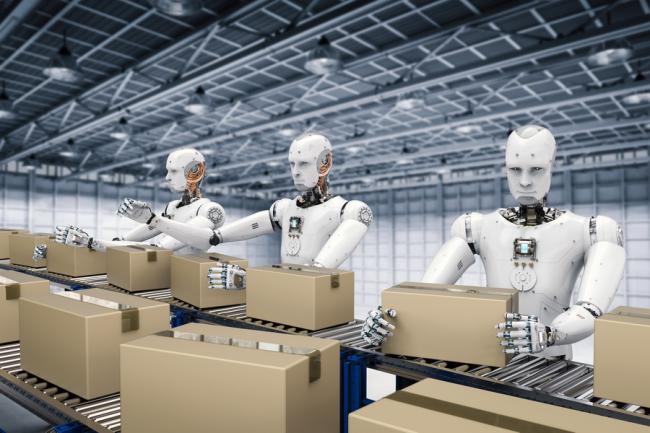
Europe Facing the Digitization of Work: The Political Risks
The nature of work has been remarkably transformed in a short period of time through the combined effect of globalization and technological disruptions. Ongoing technological breakthroughs, carried by increasingly digitalized and automated economic activities, and the “democratization” of artificial intelligence, heighten fears of massive job destructions and the deepening of social inequalities, to the detriment of downgraded and pauperized middle classes.
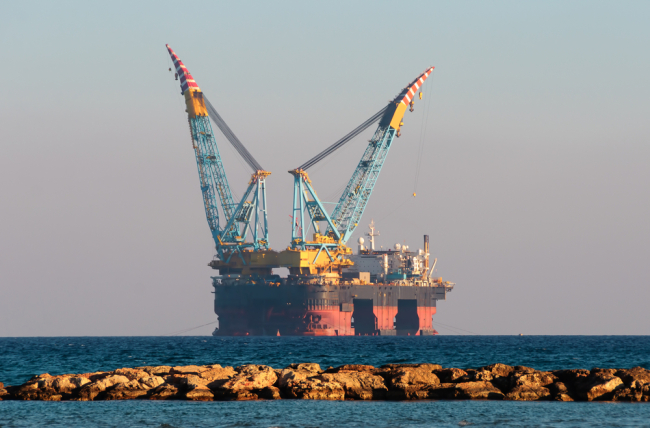
L’Égypte, nouvelle plateforme gazière en Méditerranée orientale
Recent offshore gas discoveries in the Eastern Mediterranean, primarily in Egypt as well as in Israel, but also around Cyprus, are dramatically changing these countries' energy perspectives and economies, and also influence geopolitical balances in the region.
Between political crisis and European recovery attempt: German interrogations
Even though the CDU-CSU led Grand Coalition was renewed following the German legislative elections of 24 September 2017, and even though Angela Merkel was re-elected chancellor a fourth consecutive term, the country has entered a period of growing political uncertainty. The formation of a new government took much longer than after previous elections for a number of different reasons: after negotiations, the liberal party refused to join a coalition with the CDU-CSU and the Green party, the SPD was reluctant to continue in government, and, above all, the internal divisions of the two sister parties CDU et CSU, that nearly caused the fall of the new government three months after its investiture.
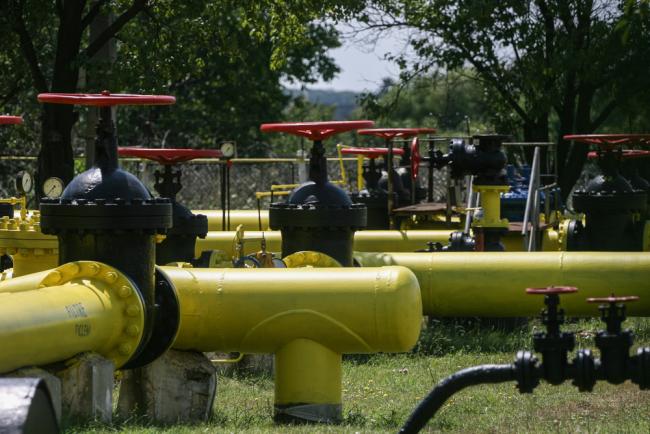
Romania: a key player in the Energy Union for the security of natural gas supply?
In 2015, Maroš Šefcovic, Vice President of the European Commission for Energy Union, was writing about Romania as being «at a crossroads - both in strategic and physical terms.

Super-synergies could arise from cross-border projects
Shared projects, shared tenders and joint R&D projects could see low-cost offshore windfarms and interconnectors criss-crossing the North Sea.
Europe: Subject or Object in the Geopolitics of Data?
Data no longer should be understood as a sole commercial or regulatory issue, but rather as an actual stake of international politics. Mastering data is an issue involving different set of actors, with diverging motivations: it is a sovereignty and national security stake for states, a democratic stake for people (personal data), and a fundamental source of value creation for companies.
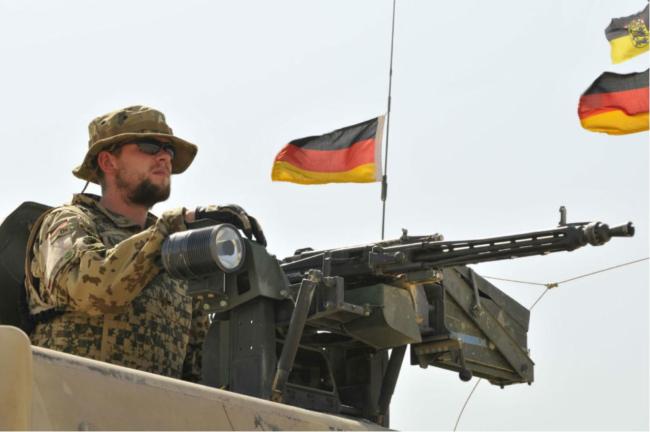
The Real Roots of Germany's Defense Spending Problem
The 1970s were a decade of anti-war movements. Willy Brandt received the Nobel Peace Prize for his détente policy toward the Eastern Bloc – and West German defense spending peaked at 3.13 percent of GDP in 1975. Clearly, those days are long gone.
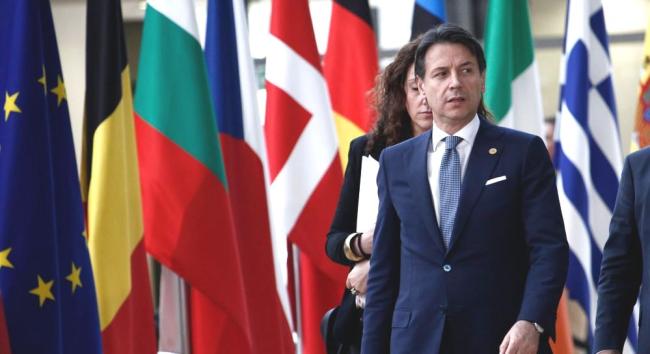
Immigration: Europe in the Face of an Italian Crisis
Since the Italian election held on March 4th, 2018, immigration policy has become a hotter-than-ever issue both at national and European level. The Aquarius incident has brought to light the question of European solidarity regarding immigration issues.
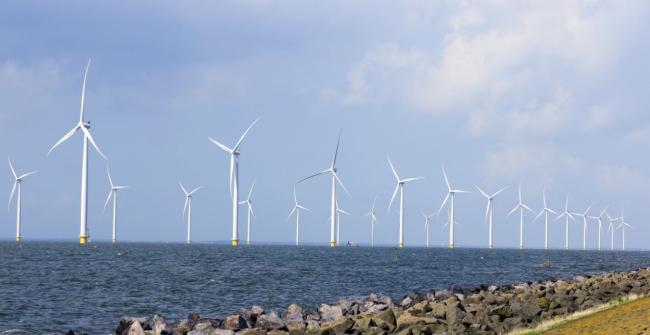
The Expansion of Offshore Wind Power in the North Sea: A Strategic Opportunity for the European Union
The North Sea is the cradle of the global offshore wind industry. The favourable wind patterns in the Southern part and the low depth of water have created an enabling environment for the construction of the first wind turbines in the world. Public policies have progressively encouraged their deployment in the best-endowed countries: Belgium, Denmark, Germany, the Netherlands and the United-Kingdom.
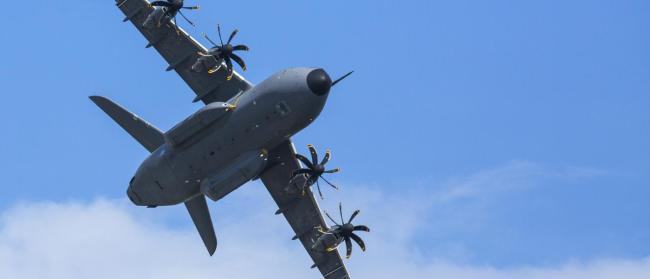
The Three Dimensions of Europe's Defense Debate
In light of transatlantic tensions and a deteriorated security environment, European security affairs are at the crossroads.

The European Union's Struggle Against Terrorism
Since 2015, several countries in the European Union have been hit by attacks.

Preserving defence partnerships with US and UK is a key interest for France.
Nicolas Sarkozy used to promote himself as a transatlanticist or anglophile French president. Emmanuel Macron seems to have taken this approach a step further. Macron appears to have taken upon France and himself the responsibility of not allowing Britain and more importantly, the United States to drift too far away from Europe. Is he succeeding in this?
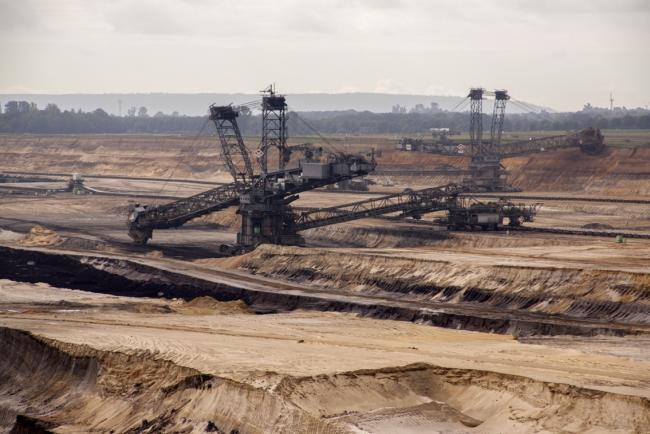
Coal Exit or Coal Expansion? A Review of Coal Market Trends and Policies in 2017
Coal in the power sector is the principal focus of climate-related policies due to its high carbon intensity, making CO2 emissions from coal a leading contributor to climate change.
More renewables in the European Union? Yes, we can
The European Union is about to adopt new renewable energy targets for 2030. While going beyond the initially-planned 27% is absolutely feasible, the EU strategy can only be credible if it is based on a good mix between performance and effort obligations, and also includes possible review clauses.
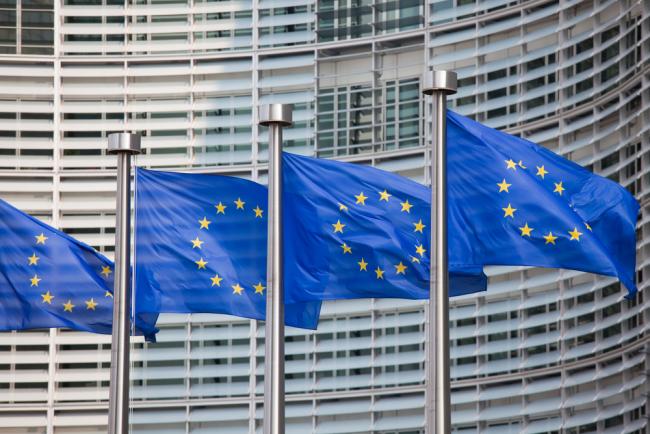
Washington Should Help Europe Achieve 'Strategic Autonomy', Not Fight It
In 2016, the European Union issued its Global Strategy, the Union’s latest foreign and security policy strategy document. The strategy “nurtures the ambition of strategic autonomy for the European Union”. American policymakers’ feelings about these aspirations are, to say the least, mixed. Several U.S. officials have expressed fear that a strategically autonomous Europe would be detrimental to the transatlantic alliance.
The Gazprom-Naftogaz Stockholm Arbitration Awards: Time for Settlements and Responsible Behaviour
The signing in January 2009 of the gas supply and transit contracts between Gazprom and Naftogaz marked a turning point in Russian-Ukrainian gas relations: yearly intergovernmental, last minute and non-transparent winter deals were replaced by a predictable, long term commercial relationship.
The EU Battery Alliance. Can Europe Avoid Technological Dependence?
With the launch of its “battery alliance”, the European Union is finally taking up the industrial battle with Asia and hopes to meet a large share of the surging demand for electrical batteries. Yet, the clock is ticking and the future of battery manufacturing in Europe depends primarily on the strategies that automakers will adopt.
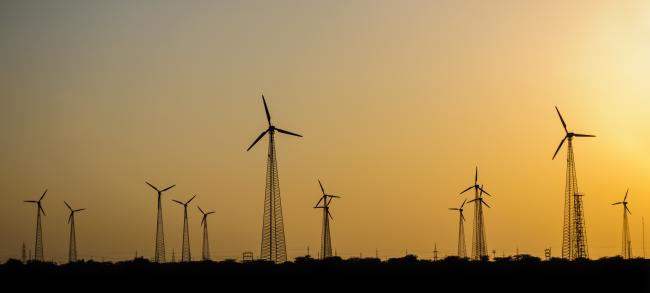
Renewable Energy in India: Solutions to the Financing Challenge
India has committed to ambitious action on climate change, but financing its renewable energy goals remains a significant challenge.

Europe de la défense : les différences persistent entre Berlin et Paris

Macron wants a powerful EU
French President Emmanuel Macron is accelerating EU defense cooperation. The biggest obstacle are the French-German cultural differences. Can terrorism, Trump and Putin force closer military cooperation in Europe? Yes, says Barbara Kunz, research fellow at the French Institute for International Relations (Ifri) in Paris and expert on defense cooperation in the EU.
Ifri, a foundation recognized as being of public utility, relies largely on private donors – companies and individuals – to guarantee its sustainability and intellectual independence. Through their funding, donors help maintain the Institute's position among the world's leading think tanks. By benefiting from an internationally recognized network and expertise, donors refine their understanding of geopolitical risk and its consequences on global politics and the economy. In 2026, Ifri partners with over 90 French and international companies and organizations.