



International Organizations and Multilateralism
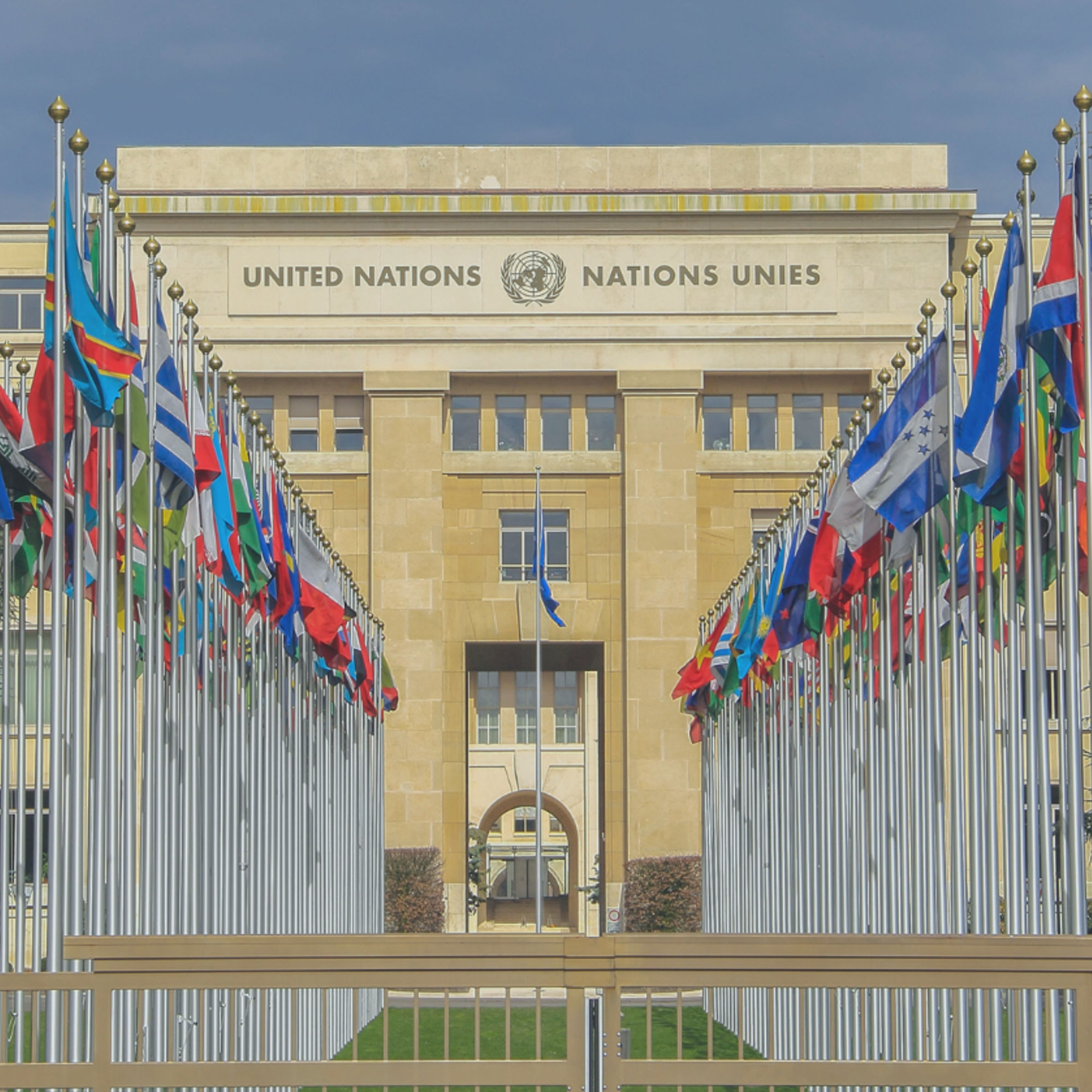
Rhetoric on the crisis of multilateralism is frequent. International organizations (UN, WTO, etc.) remain no less important, while other forums (G20, BRICS, etc.) are asserting themselves.
Related Subjects
The Religious Diplomacy of the Russian Federation
The Russian Federation is shaping its religious diplomacy (i.e., in brief, the use of the religious factor in foreign policy) and exercises it with a growing efficiency. This is, to a certain degree, a consequence of processes taking place in Russia, namely, first and foremost, the solving of the crisis of identity and values, and, closely connected with this, the renaissance of religion in Russian political and social life.
Defence and Foreign Policy Under President-elect François Hollande
We know little about François Hollande's stance on wider foreign and defence policy issues. Though we are unlikely to see major changes from his predecessor, some clues from his successful campaign suggest that President-elect Hollande will adopt a more European and Gaullist approach.
Ukraine at the Crossroads: Between the EU DCFTA and Customs Union
After serious decline in the 1990s, Ukraine's economy finally started its recovery and systemic reform in early 2000. While the economy rapidly grew by 2008, its transformation remained unfinished. Ukraine has three possible roads to development.
South Africa and the Arab Spring: opportunities to match diplomacy goals and strategies
This paper highlights how the Arab Spring magnified a two-dimensional gap in South Africa’s foreign policy. First that South Africa does not have a vision which reconciles demands for achieving the goals of protecting human rights, sovereignty, and multilateralism; second, that its strategies do not meet set goals. The paper then provides tentative explanations to this gap. It ends by elaborating what in the “African Awakening” and in the midst of the Arab Spring are opportunities for South Africa to overcome this gap.
The Architect and Fragile States: Development Assistance's Contribution to Global Security
Up to Europe’s threshold in the middle of Sahara and Sahel region, a growing insecurity led beyond mere reconsideration of field practice to a whole change of paradigm for multilateral and bilateral aid institutions.
From 'Looking' to Engaging: India and East Asia
The Look East policy (LEP), launched in the early 1990s, was intended to engage India more closely with the East Asian region, but it met with only limited success initially, for India was not seen to be a major contributor either to regional security or economic development.
Political Europe: Is Hope Reasonable?
The European crisis is primarily the result of economic difficulties and their social effects.
IEA Crisis Management: Evolving with the Risks
Last week the IEA chose not to renew its June strategic stock release. It was the right decision. The volumes of strategic crude and product taken up by the market will be reaching refineries now and incremental volumes produced in the Arabian Gulf will be steaming towards markets.
A Look at the IEA 2011 Release of Strategic Oil Reserves
This paper examines the motivations and the potential consequences of the International Energy Agency’s coordinated action to release petroleum stocks on June 23, 2011.
Chinese Climate Policy: Institutions and Intent
Until the late 1990s, the balance of Chinese energy production and consumption was treated by the rest of the world as a net figure. No one knew what was going on inside the Chinese economy - it was a black box. As far as anyone was concerned, the Chinese would not soon be a major factor in world energy markets.
Support independent French research
Ifri, a foundation recognized as being of public utility, relies largely on private donors – companies and individuals – to guarantee its sustainability and intellectual independence. Through their funding, donors help maintain the Institute's position among the world's leading think tanks. By benefiting from an internationally recognized network and expertise, donors refine their understanding of geopolitical risk and its consequences on global politics and the economy. In 2026, Ifri partners with over 90 French and international companies and organizations.
