




Practical information
In the run up to COP21, CDC Climat Research and the Ifri Center for Energy are jointly organizing “Climate Breakfast Roundtables “ bringing together key stakeholders with the aim of sharing analyses on the climate policies adopted at local, national and regional levels and on the potential outcomes of the Paris Climate Conference.
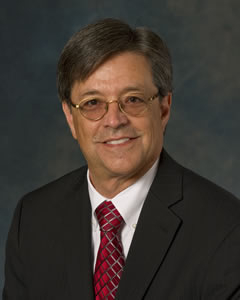
On 3rd July, CDC Climat Research and Ifri were honored to welcome Matt Rodriquez, Secretary for Environmental Protection of California Environmental Protection Agency, who provided an overview of:
- California’s mitigation and adaptation policy,
- The functioning of the carbon pricing market in California;
- California’s involvement on the role of sub-national actors in the international climate change negotiations.
Matt Rodriquez was appointed California Secretary for Environmental Protection by Governor Edmund G. Brown Jr. in July 2011. As Secretary, Matt oversees the activities of the California Air Resources Board, the Department of Resources Recycling and Recovery, the Department of Toxic Substances Control, the Department of Pesticide Regulation, the Office of Environmental Health Hazard Assessment and the State Water Resources Control Board. As a member of the Governor's cabinet, he advises the Governor on environmental policy.
Other events
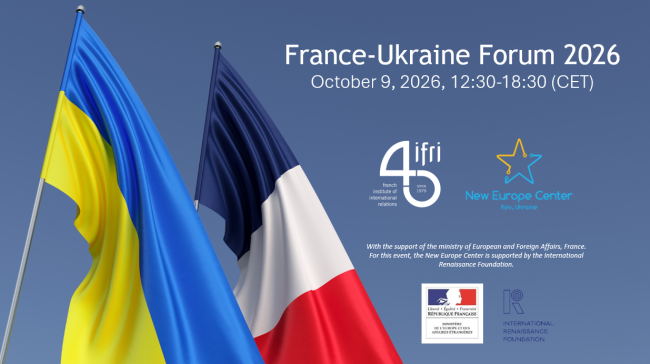
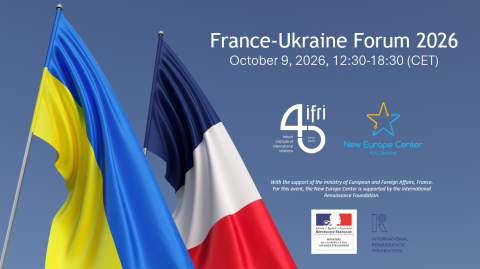
France-Ukraine Forum 2026
More than four and a half years after the start of the full-scale war launched by Russia against Ukraine, the 2026 France-Ukraine Forum will bring together policymakers, experts, academics, and civil society representatives from both countries to discuss three main topics: the formats and conditions for a lasting diplomatic settlement; Ukraine’s Euro-Atlantic integration, encompassing both the EU accession process and closer ties with NATO; and the societal transformations of postwar Ukraine, as well as its prospects for reconstruction.
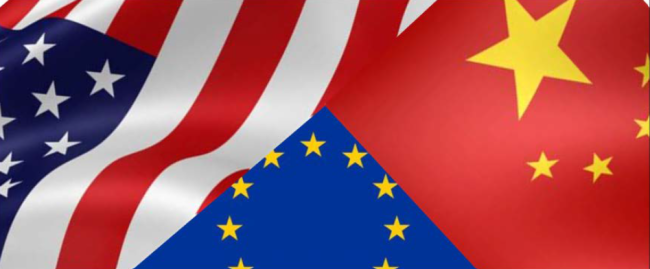
The EU in a World of Economic Warfare: Trade, Geopolitics, and the Battle for Economic Sovereignty
The international trading system has become a primary theatre of geopolitical competition. Tariffs, sanctions, and technology controls have replaced dialogue as the default instruments of economic relations.
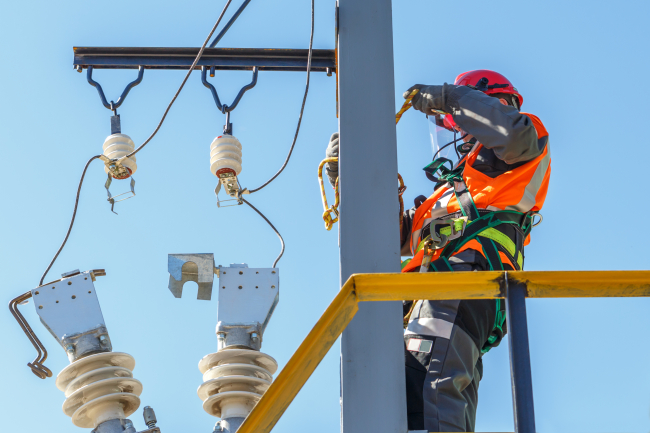
The Road to 27 Electrification Action Plans: Planning and Investing in Europe’s Electric Future
The European Commission’s Electrification Action Plan places the continent on an electric path to structurally reduce dependence on fossil fuel imports and boost the energy transition in industry, transport and buildings.