






Practical information
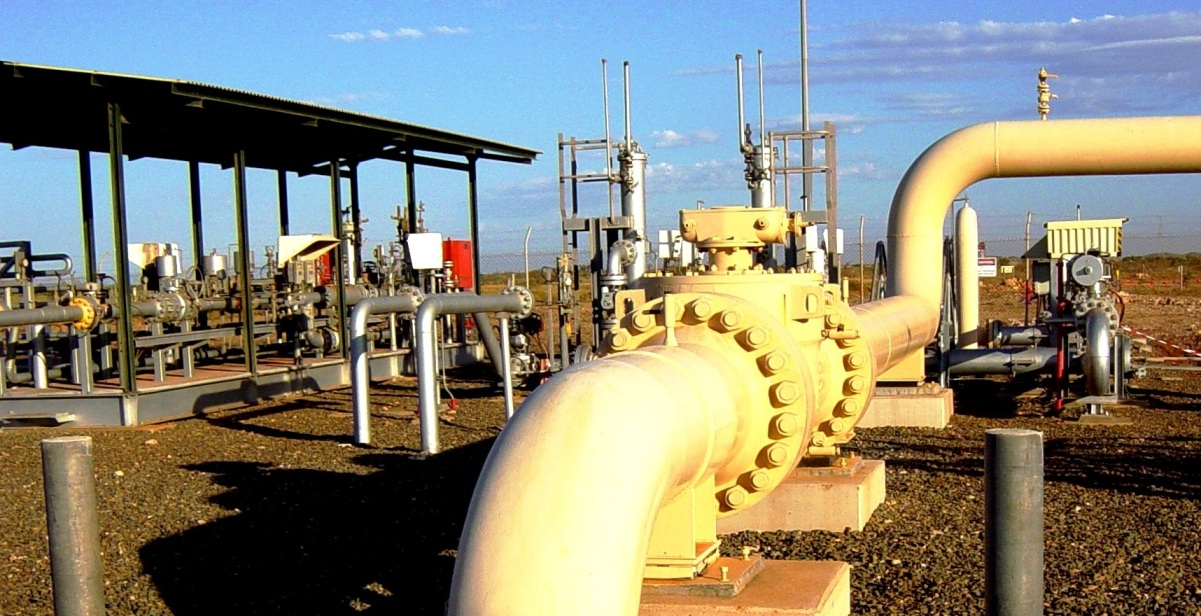
In the current context of oil prices drop, new trends are emerging on the global LNG market, both in terms of demand and supply. These dynamics can have a significant impact on Europe, which is also entering a new era in terms of relations with Russia and has to cope with a weak demand. In its recent Communication on the Energy Union, the European Commission announced the elaboration of a comprehensive LNG strategy. This debate aims to understand the EU position on the global LNG markets. How can LNG fully play a back-up role in crisis situations? Can it be spread across Europe? More generally, what role can natural gas play in the European energy policy given the current context?
Ifri Center for Energy is hosting a roundtable conference with:
Takuro YAMAMOTO
LNG Analyst, International Energy Agency (IEA)
François-Régis MOUTON
Chairman GasNaturally
Gas LNG Europe (GLE) Representative (tbd)
DG Energy Representative, European Commission (tbd)
Chaired by Marie-Claire AOUN, Director of the Ifri Center for Energy
Other events

Can Intelligence Still Anticipate Strategic Shocks?
The return of high-intensity warfare to Europe, the intensification of great-power rivalries, the proliferation of hybrid threats, and the persistent risk of terrorism: the world has entered an era of confrontation in which information — and the ability to control and exploit it — has become a weapon in its own right.