




Ukraine's energy sector reforms and its future gas transit role: status and perspectives

Practical information
Ukraine’s energy sector reforms are progressing yet the Naftogaz restructuring, the future role for gas transit and relations with Gazprom are key challenges.
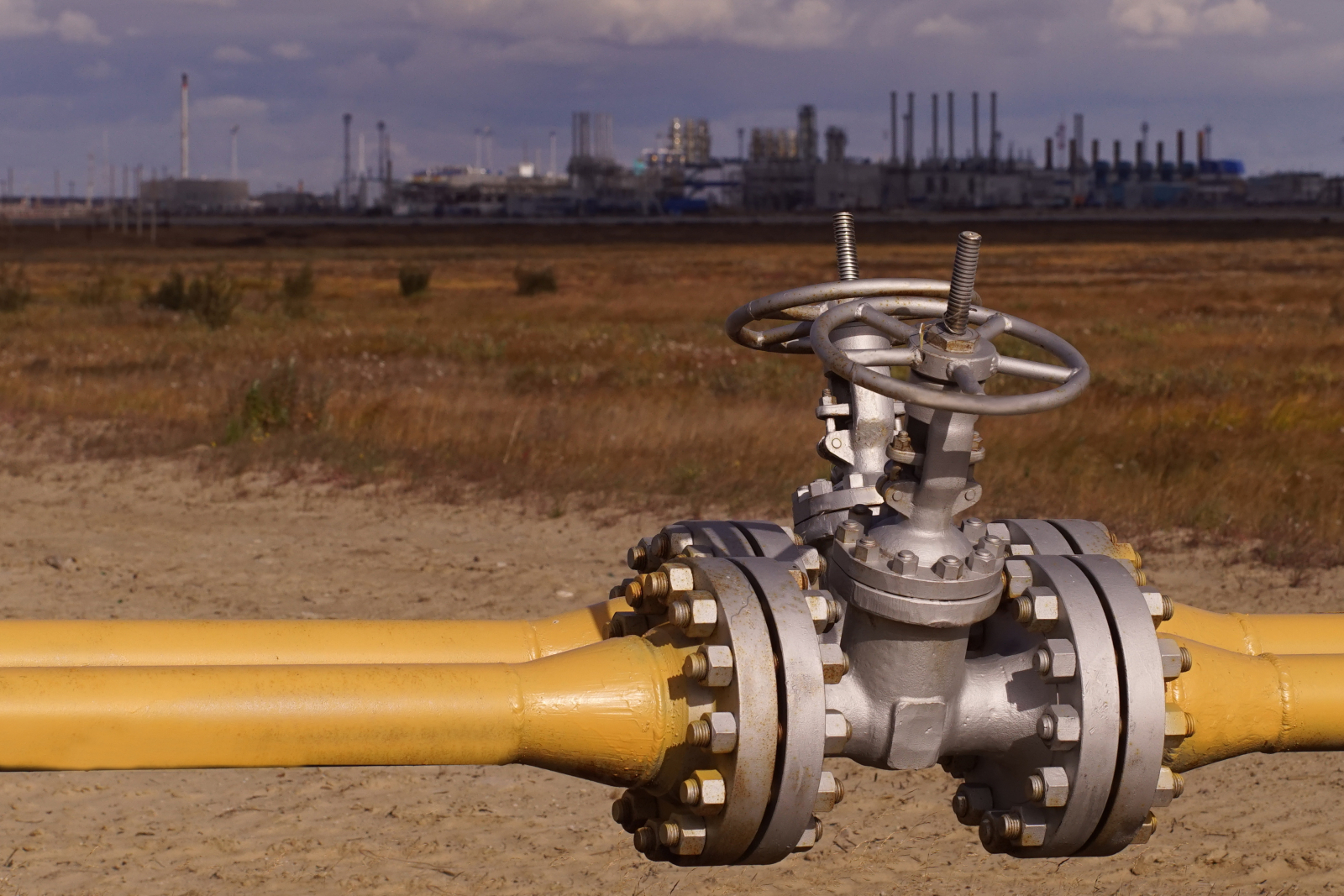
In 2010, Ukraine joined the Energy Community Treaty and since 2014, gas sector reforms have been unprecedented. The country is addressing critical challenges: notably, the restructuring of Naftogaz, the implementation of the 3rd energy directive and the expected change of its role for the transportation of Russian gas to Europe. This energy breakfast seminar aims at discussing the country's energy sector reforms, Naftogaz-Gazprom relations and partnership opportunities for the management of Ukraine's gas transmission system.
Introduction : Marc-Antoine Eyl-Mazzega, Director, Ifri Center for Energy
- Olga Bielkova, Member of Parliament: Ukraine-EU relations in the energy sector and Ukraine's role in the EU's energy security
- Olena Pavlenko, President, DiXi Group: Ukraine-Russia gas relations and lessons for the EU
- Roman Nitsovych, Head of Programs, DiXi Group: Gas market reforms in Ukraine
- Laurent-Charles Thery, Director of International Relations, GRTGaz: Partnering for the management and reform of Ukraine’s Gas Transmission System’s operator
Discussion
Seminar by personal invitation only.
Find out more
The Gazprom-Naftogaz Stockholm Arbitration Awards: Time for Settlements and Responsible Behaviour
The signing in January 2009 of the gas supply and transit contracts between Gazprom and Naftogaz marked a turning point in Russian-Ukrainian gas relations: yearly intergovernmental, last minute and non-transparent winter deals were replaced by a predictable, long term commercial relationship.
Related Subjects
Other events
COP31 in Antalaya: State of the Global Climate Governance, Issues, Perspectives
COPs have become a year-end marathon to revigorate a world now entering the era of climate overshoot. While Türkiye exhibits the largest coal-fired power generation in OECD Europe, it has embraced the electrification agenda and aims at joining forces with Australia on fostering action and implementation. This is an unusual de facto co-presidency arrangement, but one that could yield promising results. This webinar will take stock of what climate governance has achieved and of the issues still to be negotiated, and explore what impetus this Turkish–Australian partnership could provide.
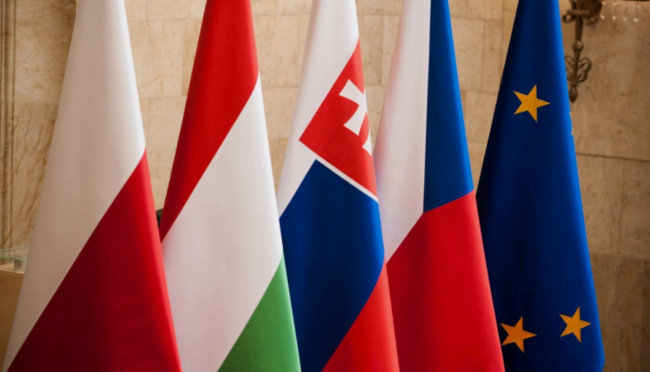
A New Moment for Central Europe? Regional Cooperation in a Time of European Strategic Choices
Recent political developments in Central Europe have revived the debate about the future of regional cooperation and the Visegrád Group. Changes in Hungary, Poland, the Czech Republic and Slovakia, together with Austria’s growing interest in closer cooperation with its neighbours, could create new opportunities for dialogue and coordination around shared priorities.