







Practical information
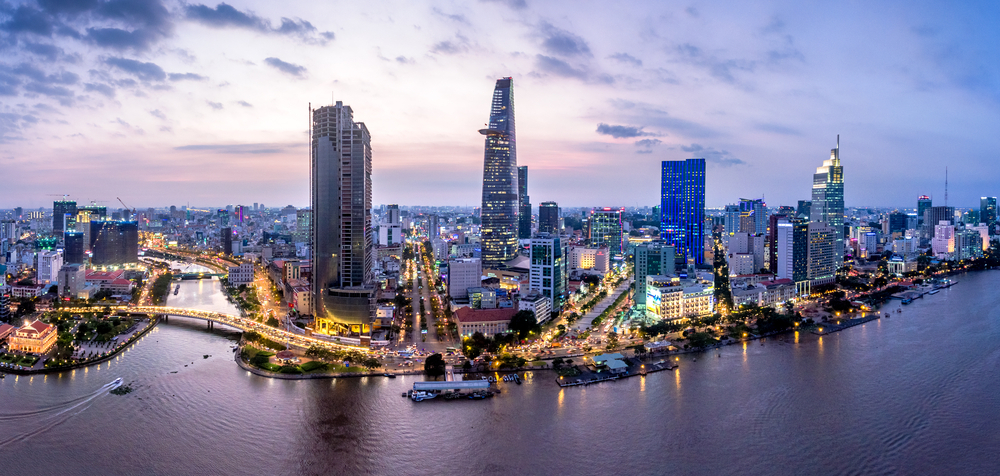
Growth prospects in developing Asia are dimming. Slowing activity in major advanced economies, a re-escalation in the US-China trade conflict, and a sharp downturn in the global electronics cycle are leading to a reassessment of the region’s outlook. How much will Asia’s growth slow? How might the trade conflict evolve, and how is it affecting countries in the region?
The conference will be held in English.
Dr. Abdul Abiad, Director of the Asian Development Bank’s Macroeconomic Research Division, will present the September 2019 Asian Development Outlook Update which covers recent developments, forecasts, and risks in developing Asia.
Chair: Dr. Françoise Nicolas, Director, Center for Asian Studies, Ifri
About the speaker:
Abdul Abiad is Director of the Macroeconomic Research Division at the Asian Development Bank in Manila, where he oversees the ADB’s flagship publication, the Asian Development Outlook. Prior to joining the ADB, he was with the International Monetary Fund in Washington DC, where he worked on the IMF’s World Economic Outlook. His research has focused on financial sector development and international financial integration, fiscal policy, exchange rates and trade, economic resilience, and infrastructure. A Philippine national, he has a BS in Mathematics from the University of the Philippines and a Ph.D. in Economics from the University of Pennsylvania.
Other events
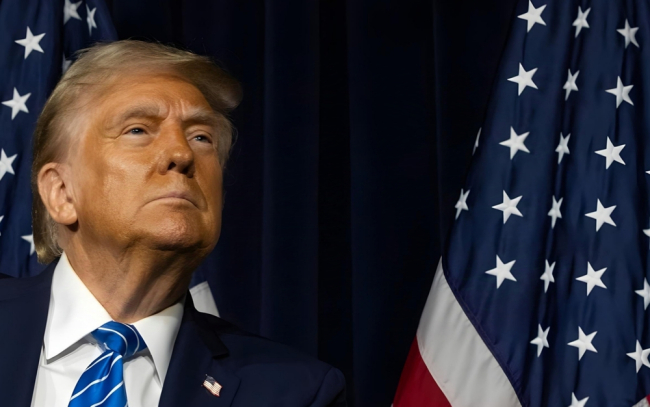
One Month Ahead of the Midterms: Where Is Trump’s America Headed?
The 24th edition of the Ifri Americas Programme Annual Conference will examine the dynamics at play in the United States and their implications for Europe and the transatlantic relationship. will examine the dynamics at play in the United States and their implications for Europe and the transatlantic relationship.
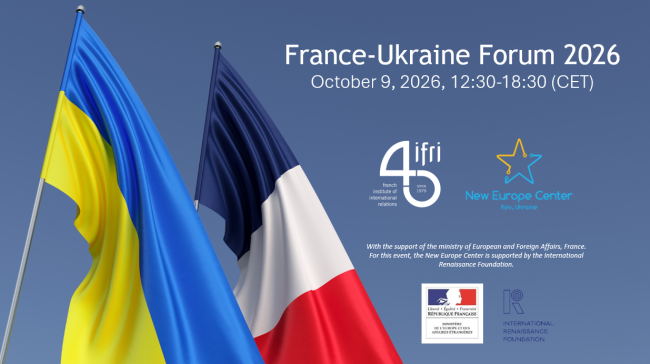
France-Ukraine Forum 2026
More than four and a half years after the start of the full-scale war launched by Russia against Ukraine, the 2026 France-Ukraine Forum will bring together policymakers, experts, academics, and civil society representatives from both countries to discuss three main topics: the formats and conditions for a lasting diplomatic settlement; Ukraine’s Euro-Atlantic integration, encompassing both the EU accession process and closer ties with NATO; and the societal transformations of postwar Ukraine, as well as its prospects for reconstruction.
The EU in a World of Economic Warfare: Trade, Geopolitics, and the Battle for Economic Sovereignty
The international trading system has become a primary theatre of geopolitical competition. Tariffs, sanctions, and technology controls have replaced dialogue as the default instruments of economic relations.