




Practical information
The 2012 U.S. Elections have highlighted the divisions within the American political landscape. Fundamental differences in policy and ideology have considerably shaped the overall debate. Still, the race for the White House has been far closer than what observers around the world believed. On November 16 we are delighted to have with us John Harris, Editor in Chief of Politico, one of the nation"s leading political journalism organizations, as well as Laurence Nardon, who heads Ifri"s program on the United States. Ian Lesser, Executive Direcor of the GMF's Transatlantic Center in Brussels will moderate the event.
Ten days after, we look forward to what promises to be a lively debate on the results of the elections, the dynamics behind these results, and what 2012 may tell us about the future of the U.S. as a society and as a transatlantic partner.
The event will be held in English.
Other events
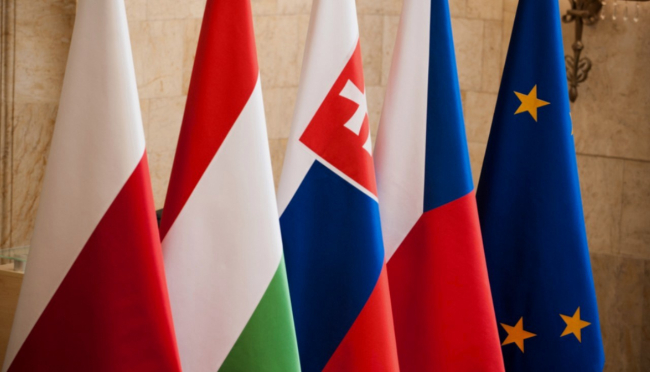
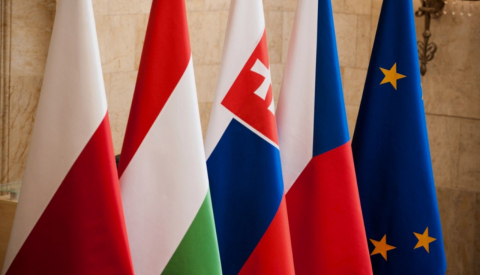
A New Moment for Central Europe? Regional Cooperation in a Time of European Strategic Choices
Recent political developments in Central Europe have revived the debate about the future of regional cooperation and the Visegrád Group. Changes in Hungary, Poland, the Czech Republic and Slovakia, together with Austria’s growing interest in closer cooperation with its neighbours, could create new opportunities for dialogue and coordination around shared priorities.
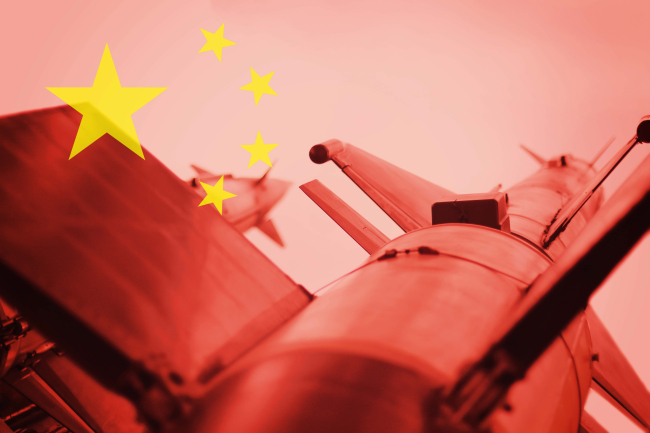
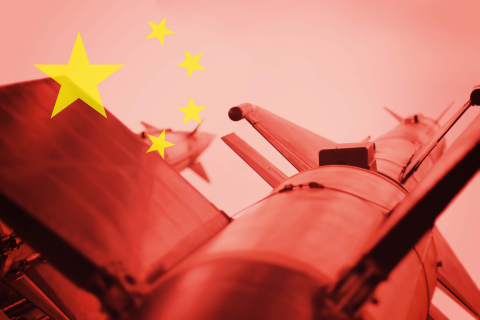
China’s Nuclear Buildup: Developments, Drivers, and Implications for Major-Power Relations and Arms Control
China has been steadily expanding its nuclear arsenal for several years amid levels of geopolitical tension unseen since the end of the Cold War, marked by a resurgence in nuclear proliferation and a broader, global arms race.

Reinventing Coordination in an Age of Fragmentation
The world economy is being reordered. The certainties of the post-Cold War era, open trade, dollar centrality, predictable multilateral coordination, are giving way to a landscape shaped by rivalry between the United States and China, the weaponization of interdependence, and a scramble to secure supply chains, technologies and critical resources. What once looked like a stable architecture now appears fragile, contested, and in places actively being dismantled.