






Practical information
The outlook is grim. EU governments are implementing austerity packages; populist and nationalist movements are growing; social discontent rages. Given these challenges, ten leading Brussels-based think tanks have joined forces to discuss the unavoidable issue of Solidarity and Austerity in the European Union at their third annual Brussels Think Tank Dialogue.
In five invitation-only workshops, the Think Tank Dialogue will focus on Energy and Natural Resources, Economic and Social Challenges, the EU Budget, Migration and Integration, and External Relations. These workshops serve to deliver cutting-edge policy analysis and recommendations. The results will then be put to an open plenary session for discussion.
We will have the pleasure to welcome Martin Schulz, President of the European Parliament, Jeppe Tranholm-Mikkelsen Permanent Representative of Denmark to the European Union, Andreas Mavroyiannis, Deputy Minister for European Affairs of the Republic of Cyprus and Arif Havas Oegroseno, Ambassador of Indonesia to Belgium, the Grand-Duchy of Luxembourg and to the European Union among others.
In order to register your attendance, please click here
Other events
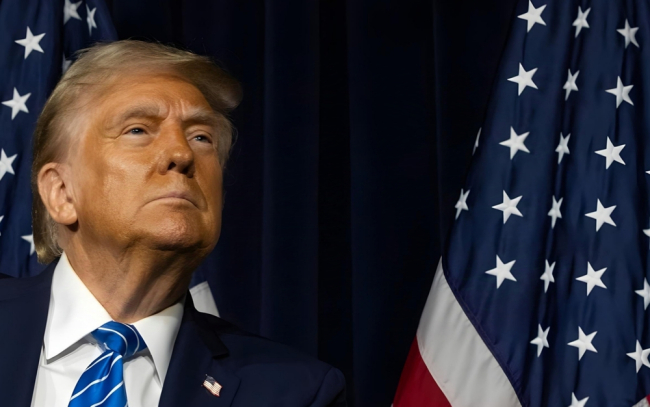
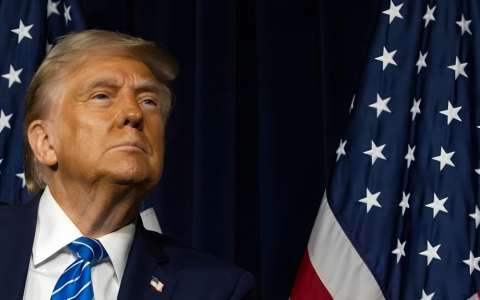
One Month Ahead of the Midterms: Where Is Trump’s America Headed?
The 24th edition of the Ifri Americas Programme Annual Conference will examine the dynamics at play in the United States and their implications for Europe and the transatlantic relationship. will examine the dynamics at play in the United States and their implications for Europe and the transatlantic relationship.
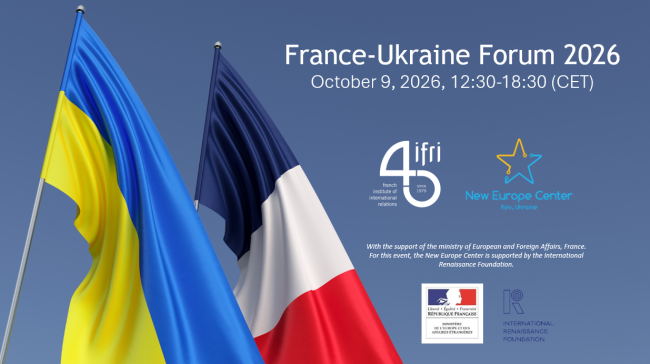
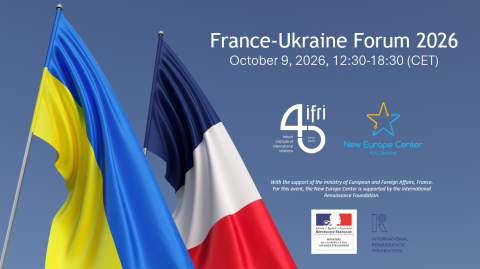
France-Ukraine Forum 2026
More than four and a half years after the start of the full-scale war launched by Russia against Ukraine, the 2026 France-Ukraine Forum will bring together policymakers, experts, academics, and civil society representatives from both countries to discuss three main topics: the formats and conditions for a lasting diplomatic settlement; Ukraine’s Euro-Atlantic integration, encompassing both the EU accession process and closer ties with NATO; and the societal transformations of postwar Ukraine, as well as its prospects for reconstruction.
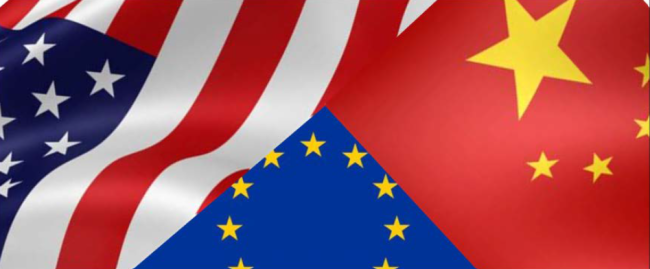
The EU in a World of Economic Warfare: Trade, Geopolitics, and the Battle for Economic Sovereignty
The international trading system has become a primary theatre of geopolitical competition. Tariffs, sanctions, and technology controls have replaced dialogue as the default instruments of economic relations.