


Armenia at the Heart of the Changing Regional and Global Geopolitical Context
Practical information
Accessibility
Themes and regions
Related centers and programs
At the crossroads of regional dynamics in the South Caucasus and global geopolitical tensions, Armenia faces a necessary strategic repositioning.
Recent developments have reshuffled the deck: last August, Donald Trump's diplomatic initiative around the "Trump Route for International Peace and Prosperity" (TRIPP) marked the return of the United States to a field that was thought to have been abandoned in favour of Russia, Iran and Turkey. This American position, which is both opportunistic and disruptive, has opened up prospects for potential reconfigurations of alliances and opportunities for cooperation, but it also poses new security challenges. Between pressure, uncertainty and aspirations for stability, what choices are available to Yerevan today to guarantee its sovereignty and security?
With :
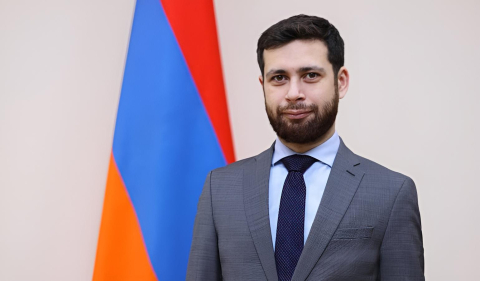
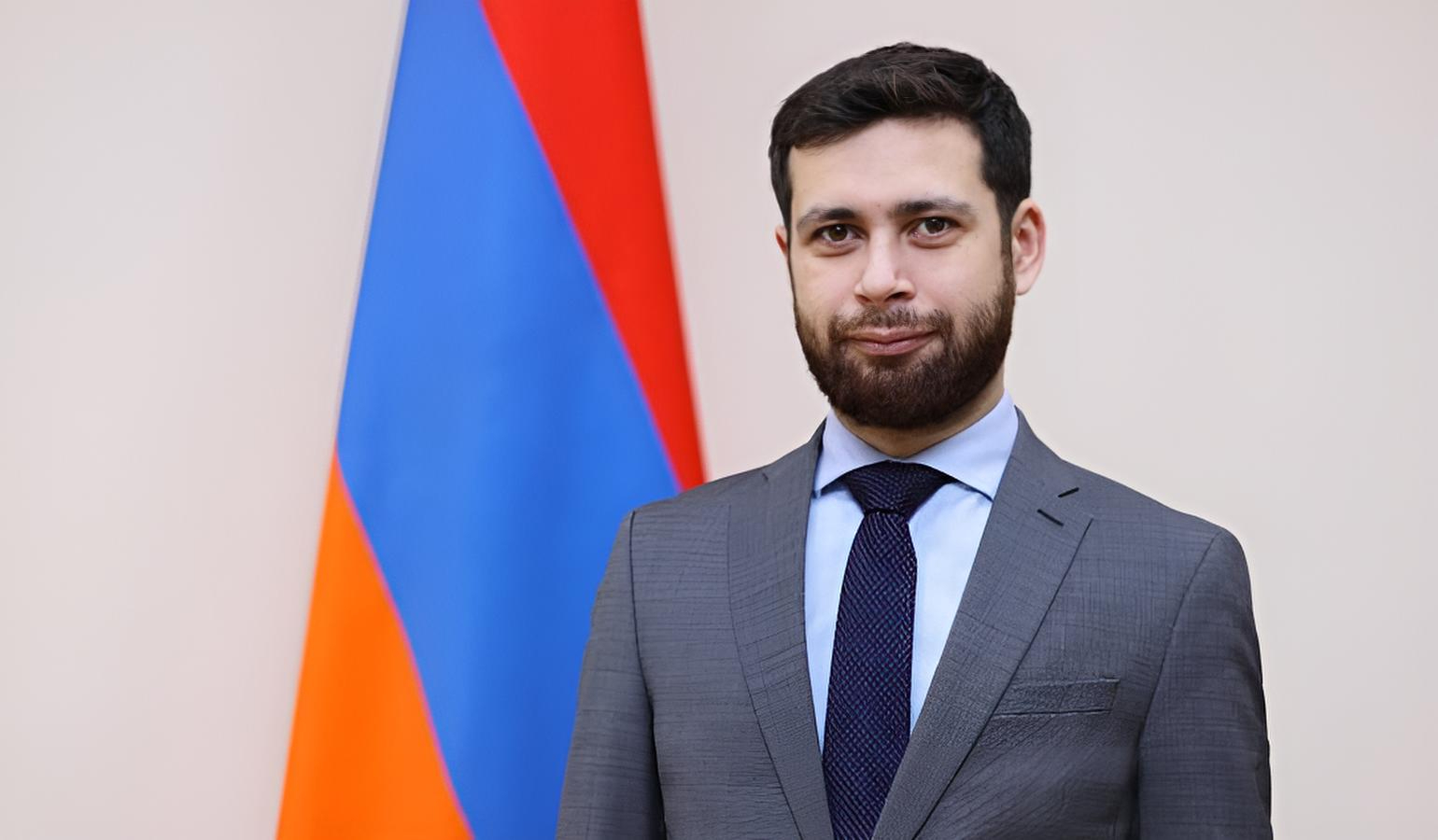
Vahan Kostanyan, Deputy Minister of Foreign Affairs of Armenia
Chair :
Thierry de Montbrial, Executive Chairman, Ifri
Discussant :
Tatiana Kastouéva-Jean, Director of the Russia/Eurasia Center, Ifri
This event will be held under the Chatham House
Contact
For more information on this event, please contact Marie-Liesse de Chaptes, [email protected]
Related Subjects
Other events
COP31 in Antalaya: State of the Global Climate Governance, Issues, Perspectives
COPs have become a year-end marathon to revigorate a world now entering the era of climate overshoot. While Türkiye exhibits the largest coal-fired power generation in OECD Europe, it has embraced the electrification agenda and aims at joining forces with Australia on fostering action and implementation. This is an unusual de facto co-presidency arrangement, but one that could yield promising results. This webinar will take stock of what climate governance has achieved and of the issues still to be negotiated, and explore what impetus this Turkish–Australian partnership could provide.
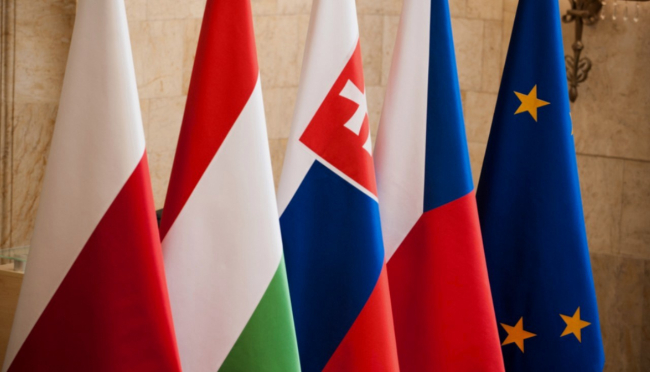
A New Moment for Central Europe? Regional Cooperation in a Time of European Strategic Choices
Recent political developments in Central Europe have revived the debate about the future of regional cooperation and the Visegrád Group. Changes in Hungary, Poland, the Czech Republic and Slovakia, together with Austria’s growing interest in closer cooperation with its neighbours, could create new opportunities for dialogue and coordination around shared priorities.
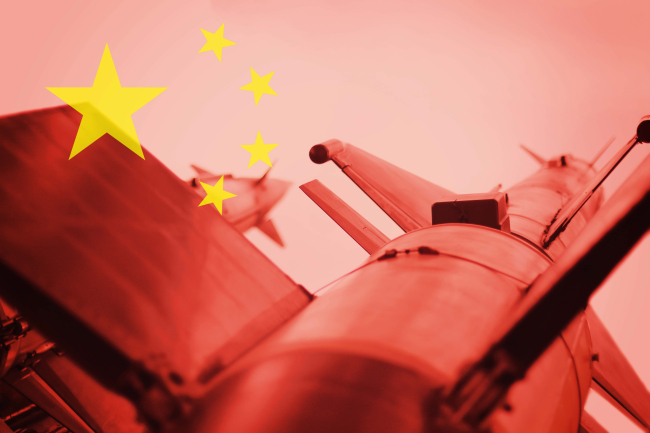
China’s Nuclear Buildup: Developments, Drivers, and Implications for Major-Power Relations and Arms Control
China has been steadily expanding its nuclear arsenal for several years amid levels of geopolitical tension unseen since the end of the Cold War, marked by a resurgence in nuclear proliferation and a broader, global arms race.