







Practical information
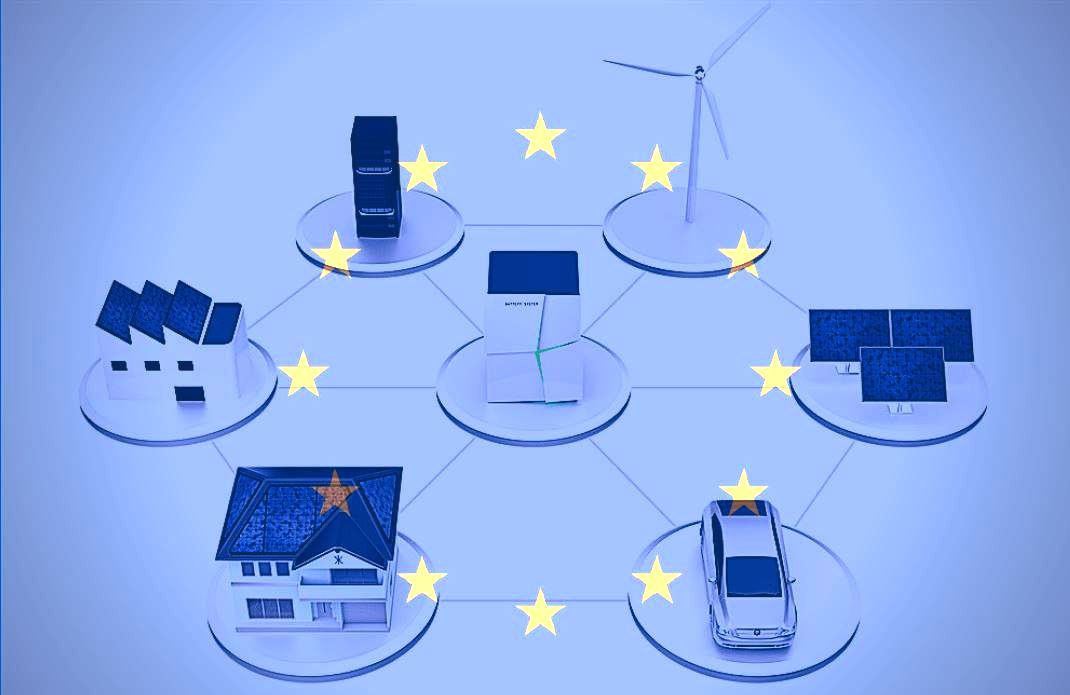
The European Union (EU) is speeding up the deployment of electric vehicles and integrating large shares of intermittent renewables into its electricity grids. In doing so, the EU hopes to tackle climate change and air pollution concerns, but it cannot neglect the geo-economic shifts that a booming market for electrical batteries can create. Currently, Europe lacks the large-scale manufacturing capacities to serve its own demand uptake for battery cells. To avoid technological dependence, the EU has launched a “battery alliance” and looks to facilitate industrial partnerships.
Building on research from Ifri’s Center for Energy (see the Editorial "The EU Battery Alliance"), this breakfast roundtable will aim at discussing the outcomes of the EU battery alliance initiative, assessing the potential for large battery factory projects in Europe and globally, and identifying the implications for the energy and automotive industries.
Moderator: Marc-Antoine Eyl-Mazzega, Director, Ifri Centre for Energy
Speakers:
- Carole Mathieu, Researcher, Ifri Centre for Energy
- Saïd El Khadraoui, Adviser, European Political Strategy Centre, European Commission
- Patrick de Metz, Director for Corporate, Environmental and Governmental Affairs, Saft
- Patrick Bastard, Expert Leader of Electric Powertrain & Battery, Renault
- Jens Wiese, Head of Performance Improvement and Battery Strategy, Group Strategy Department, Volkswagen
EU Battery Alliance: Renault's views
EU Battery Alliance: Volkswagen's views
Related Subjects
Other events
One Month Ahead of the Midterms: Where Is Trump’s America Headed?
The 24th edition of the Ifri Americas Programme Annual Conference will examine the dynamics at play in the United States and their implications for Europe and the transatlantic relationship. will examine the dynamics at play in the United States and their implications for Europe and the transatlantic relationship.
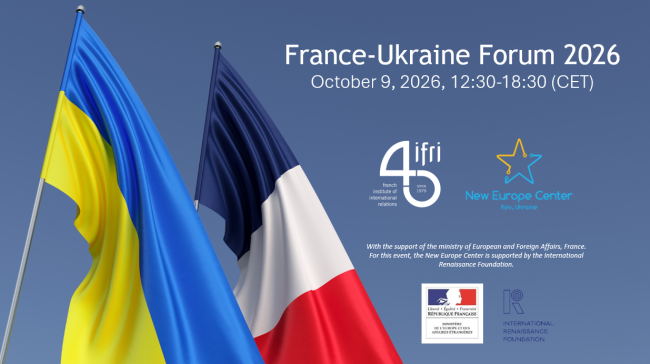
France-Ukraine Forum 2026
More than four and a half years after the start of the full-scale war launched by Russia against Ukraine, the 2026 France-Ukraine Forum will bring together policymakers, experts, academics, and civil society representatives from both countries to discuss three main topics: the formats and conditions for a lasting diplomatic settlement; Ukraine’s Euro-Atlantic integration, encompassing both the EU accession process and closer ties with NATO; and the societal transformations of postwar Ukraine, as well as its prospects for reconstruction.
The EU in a World of Economic Warfare: Trade, Geopolitics, and the Battle for Economic Sovereignty
The international trading system has become a primary theatre of geopolitical competition. Tariffs, sanctions, and technology controls have replaced dialogue as the default instruments of economic relations.