





The Biden Administration: What Consequences for Allies? Views from Japan and France

Practical information
The US allies greeted the election of Joe Biden with relief, but also with expectations.
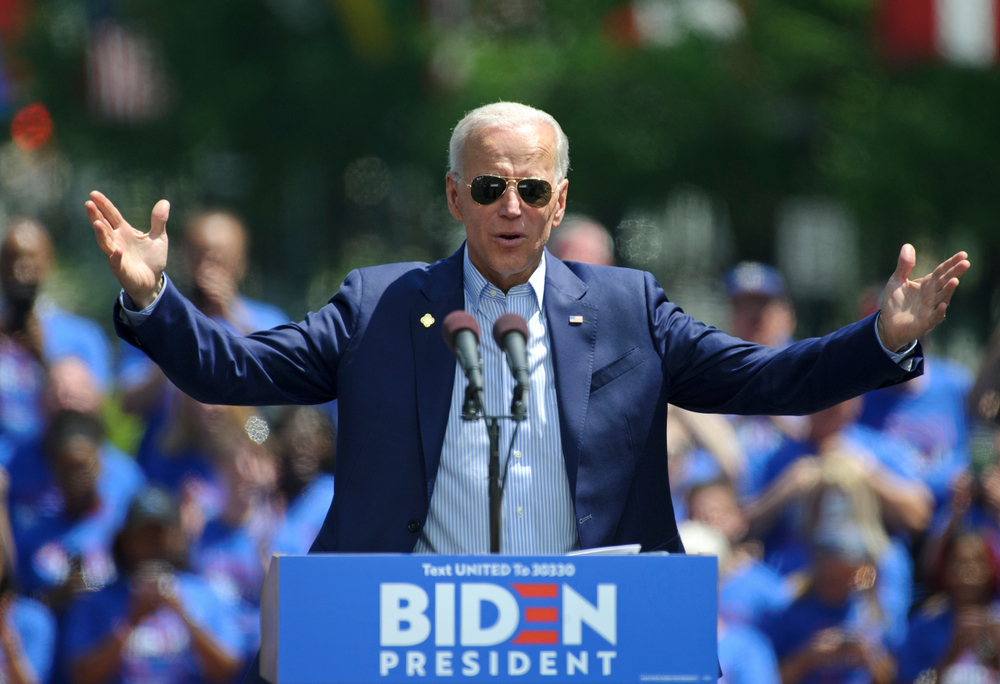
In particular, they hoped that the new leader would abandon the “America First” mantra, return to a more multilateral approach, and better treat its allies and partners.
This webinar will highlight the perspective of two key US allies: Japan and France. Speakers from both countries will discuss the respective perceptions and expectations towards the new US administration in terms of bilateral relations, and will analyze the opportunities and challenges in developing a coordinated approach in the Indo-Pacific.
This webinar will be held in English.
Programme
Following a brief set of remarks by each speaker, the discussion will be interactive, led by the chair and will include questions from the audience.
Chair and Discussion Leader: John SEAMAN, Research Fellow, Center for Asian Studies, Ifri
Expectations towards the Biden administration for the bilateral relations:
- Japan’s expectations towards the Biden administration and the future of the alliance
Kunihiko MIYAKE, President of the Foreign Policy Institute; Research Director, The Canon Institute for Global Studies (CIGS) and Special Adviser to Prime Minister Yoshihide Suga’s Cabinet
- France’s expectations towards the Biden administration
Pierre VIMONT, Senior Associate at Carnegie Europe; Former French Ambassador to the United States (2007-2010)
Prospects for a coordinated approach in the Indo-Pacific:
- The Biden administration, NATO and China
Yoko IWAMA, Professor, National Graduate Institute for Policy Studies (GRIPS)
- The Japan-Europe-US cooperation in the Indo-Pacific under the Biden administration
Céline PAJON, Head of Japan Research, Center for Asian Studies, Ifri