






Practical information
The second Building Bridges workshop took place on 6-7 July 2015 in Madrid. It was hosted by the Elcano Royal Institute. This event included a discussion between experts involved in the project and Spanish citizens about the impact European integration had on Spain and what citizens' expectations are for the future. In total 28 participants from nine EU countries (Belgium, Germany, France, the Czech Republic, Latvia, Poland, the UK, Luxembourg and Spain) were involved. The following day, the experts reflected on the main topics discussed with the Spanish participants and presented the preliminary findings of their research on their national perspective on the EU.
The project Building Bridges between National Perspectives on the EU is co-funded by the “Europe for citizens” programme of the European Union.
Find out more
Building Bridges Conversation Series - Luxembourg & Spain
This new episode of the Building Bridges Conversation Series is part of the "Building Bridges" project, which aims to foster debate on the future of the European Union and offer top quality analyses on how each member state perceives the EU. In this video, Vivien Pertusot, coordinator of the project, discusses with Guido Lessing from the Centre d’études et de recherches européennes (Luxembourg) and Charles Powell from Real Instituto Elcano (Spain).
Related Subjects
Other events
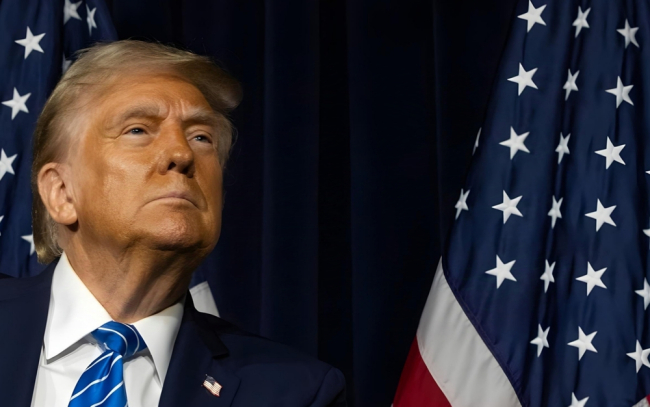
One Month Ahead of the Midterms: Where Is Trump’s America Headed?
The 24th edition of the Ifri Americas Programme Annual Conference will examine the dynamics at play in the United States and their implications for Europe and the transatlantic relationship. will examine the dynamics at play in the United States and their implications for Europe and the transatlantic relationship.
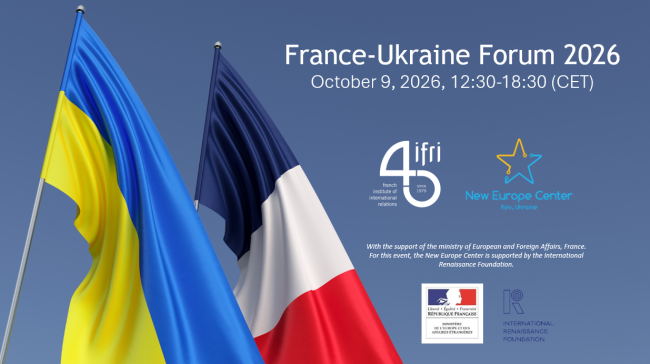
France-Ukraine Forum 2026
More than four and a half years after the start of the full-scale war launched by Russia against Ukraine, the 2026 France-Ukraine Forum will bring together policymakers, experts, academics, and civil society representatives from both countries to discuss three main topics: the formats and conditions for a lasting diplomatic settlement; Ukraine’s Euro-Atlantic integration, encompassing both the EU accession process and closer ties with NATO; and the societal transformations of postwar Ukraine, as well as its prospects for reconstruction.
The EU in a World of Economic Warfare: Trade, Geopolitics, and the Battle for Economic Sovereignty
The international trading system has become a primary theatre of geopolitical competition. Tariffs, sanctions, and technology controls have replaced dialogue as the default instruments of economic relations.