




China's Priorities and Ambitions: Key Takeaways From the “Two Sessions”

Practical information
A "Les jeudis de l'Ifri" videoconference around Françoise NICOLAS, Director of Ifri's Center for Asian Studies and Marc JULIENNE, Head of China Research, Center for Asian Studies, Ifri

As a major milestone in China"s political life, the annual plenary session of two central institutions of the Chinese political system – the National People's Congress and the Chinese People's Political Consultative Conference – take on special significance in this year of the CCP's centenary celebration. In a tense international context, marked by the repercussions of the COVID-19 crisis and the persistent deterioration of Sino-American relations, the 14th five-year plan (2021-25) will be adopted and the main orientations of the country's economic policy and its technological ambitions for 2035 will be mapped out.
Chair: Thomas Gomart, director of Ifri.
This debate is for corporate members only. It will be conducted in French.
Speakers

Our team

Françoise NICOLAS
Conseillère au Centre Asie de l'Ifri

Marc JULIENNE


Find out more
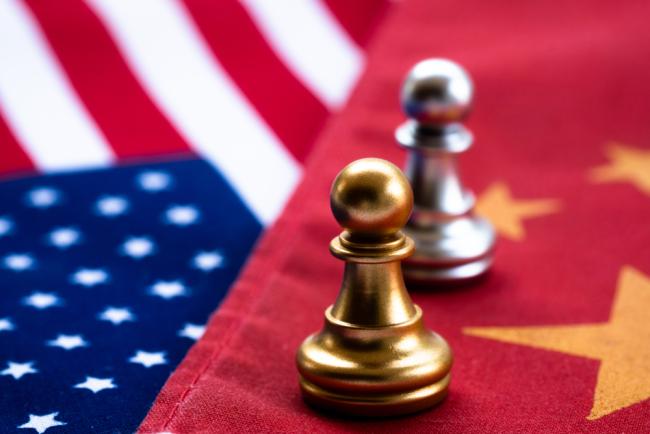
Les perspectives de la relation sino-américaine en 2021
L’arrivée de Joe Biden à la présidence des États-Unis devrait faire évoluer la relation de ce pays avec la Chine, sans pour autant revenir à la situation de l’ère pré-Trump. La relation sino-américaine aura des implications pour l’Union européenne.

Chine post-COVID-19 : vers un nouveau modèle de croissance ?
En 2020, l’économie chinoise sera la seule économie au monde à afficher une croissance positive. Pour autant, ce rebond, qui devrait être confirmé en 2021 selon le Fonds Monétaire International (FMI), ne sera vraiment pérenne que si Pékin réussit à rééquilibrer son modèle de croissance. Un objectif qui passe par la conquête d’une plus grande indépendance technologique et par la dynamisation de la consommation intérieure.