





Practical information
While Europe is facing the largest displacement phenomenon since World War II, we are experiencing an unprecedented wave of solidarity for refugees from Ukraine in all parts of the continent. The mobilization of Europeans for refugees and migrants has been rising since 2015. It is both a driver of integration and a tool to raise awareness on the plight of refugees and other migrants. The conference organized by the Foundation BNP Paribas with the French Institute of International Relations (IFRI), in partnership with the Théâtre de Chaillot, aims at outlining the variety of citizens who, in their companies, neighborhoods, towns or churches, are mobilizing daily to support refugees from Ukraine and elsewhere. The conference will be an opportunity to question whether European citizens are becoming a stakeholder of integration policies along with the authorities and NGOs.

9.30 – 9.45: Welcoming addresses
- Rachid Ouramdane, Chairman & artistic director, Chaillot National Theatre of Dance
- Isabelle Giordano, Head of BNP Paribas Foundation - Corporate
- Antoine Sire, Global Head of Company Engagement and Member of BNP Paribas Executive Committee
Video: Matthieu Tardis, Head of the Centre for Migration and Citizenship at IFRI
9.45 – 10.20: Welcoming refugees from Ukraine: an unprecedented mobilisation of Europeans
- Damien Carême, Member of the European Parliament and founder of ANVITA
- Elvira Haxhiu, in charge of welcoming Ukrainian refugees in Tours and member of the Academy for refugee participation
- Joseph Zimet, Préfet in charge of the reception of Ukrainian refugees in France
10.20 – 10.50: Coffee break
Video: Filippo Grandi, UN High Commissioner for Refugees
10.50 – 11.20: Welcoming Refugees from Ukraine: the situation in Poland
- Rafal Trzaskowski, Mayor of Warsaw
- Marianna Wartecka, Board member from Fundacja Ocalenie
11.20 – 12.45: Citizen mobilisation for refugees and migrants: an added value for integration?
Presentation of the IFRI study "Citizen Mobilization and Accommodation of Refugees and Migrants: Towards a New Welcoming Model?" carried out by IFRI by Nadine Camp, expert on asylum and migration issues
Debate and questions:
- Etienne Béchaux, Board member of the welcoming citizen group ACLAAM in Lyon
- Suzanne de Bellescize, Head of the cultures and society programme, Fondation de France
- Guillaume Rossignol, director of JRS France
- Najat Vallaud-Bellkacem, President of France Terre d’Asile
- Wesam Youssef and Andee Gershenberg, Programme Intercultur’elles, UniR Universités & Réfugié.e.s
Conclusion by Chékéba Hachemi, founder and President of Afghanistan Libre
12.45: Cocktail lunch
Interpretation in English will be available.
Related Subjects
Other events
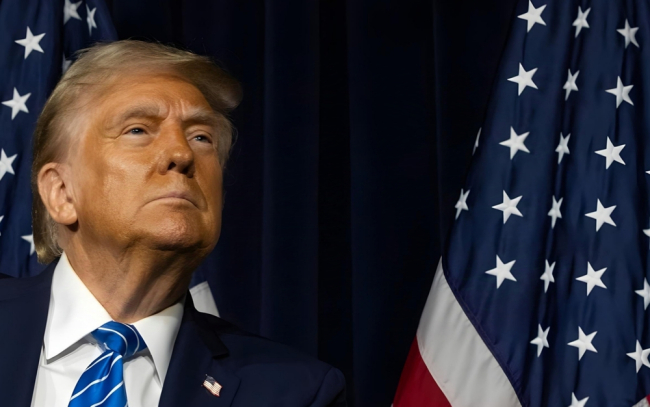
One Month Ahead of the Midterms: Where Is Trump’s America Headed?
The 24th edition of the Ifri Americas Programme Annual Conference will examine the dynamics at play in the United States and their implications for Europe and the transatlantic relationship. will examine the dynamics at play in the United States and their implications for Europe and the transatlantic relationship.
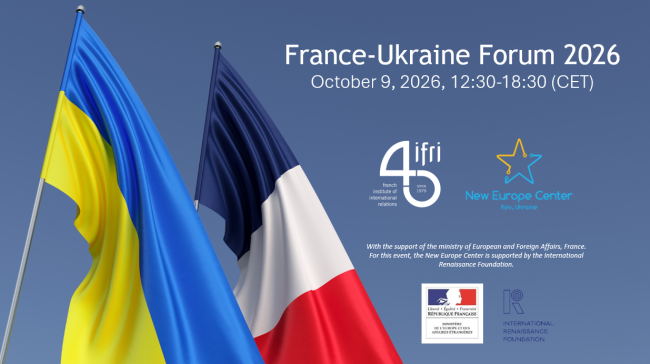
France-Ukraine Forum 2026
More than four and a half years after the start of the full-scale war launched by Russia against Ukraine, the 2026 France-Ukraine Forum will bring together policymakers, experts, academics, and civil society representatives from both countries to discuss three main topics: the formats and conditions for a lasting diplomatic settlement; Ukraine’s Euro-Atlantic integration, encompassing both the EU accession process and closer ties with NATO; and the societal transformations of postwar Ukraine, as well as its prospects for reconstruction.
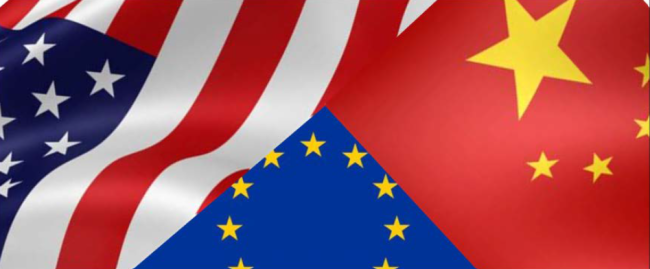
The EU in a World of Economic Warfare: Trade, Geopolitics, and the Battle for Economic Sovereignty
The international trading system has become a primary theatre of geopolitical competition. Tariffs, sanctions, and technology controls have replaced dialogue as the default instruments of economic relations.