



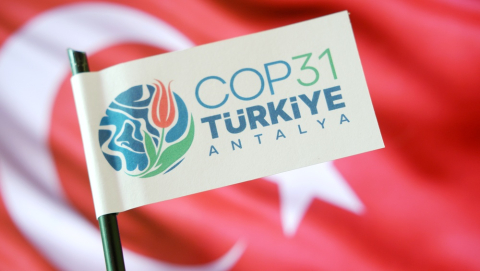
COP31 in Antalya: State of the Global Climate Governance, Issues, Perspectives
Practical information
Accessibility
Themes and regions
Related centers and programs
This is a private event.
Learn more about our corporate support packages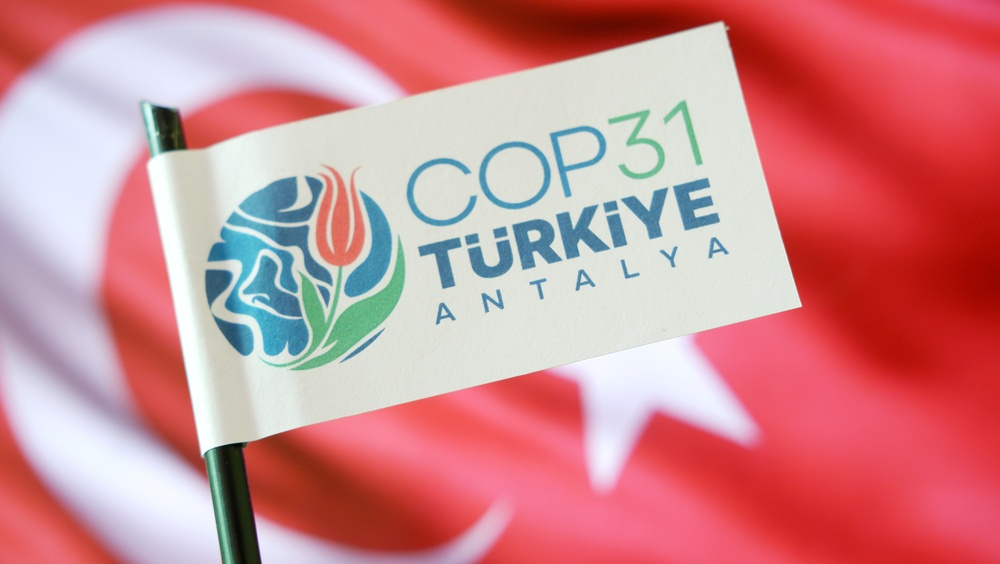
COPs have become a year-end marathon to revigorate a world now entering the era of climate overshoot. While Türkiye exhibits the largest coal-fired power generation in OECD Europe, it has embraced the electrification agenda and aims at joining forces with Australia on fostering action and implementation. This is an unusual de facto co-presidency arrangement, but one that could yield promising results. This webinar will take stock of what climate governance has achieved and of the issues still to be negotiated, and explore what impetus this Turkish–Australian partnership could provide.
COP31 will take place from 9 to 20 November 2026 in Antalya, Türkiye.
Speaker: Paul Watkinson, Independant expert & consultant, former leader of French delegation to the UN climate negotiations
Moderator: Marc-Antoine Eyl-Mazzega, Director, Center for Energy & Climate, Ifri
Replay
Contact
Alexandra BOR
Assistant to the Center for Energy & Climate, Ifri
Related Subjects
Other events

Reinventing Coordination in an Age of Fragmentation 3rd Paris Geoeconomic Dialogue
The world economy is being reordered. The certainties of the post-Cold War era, open trade, dollar centrality, predictable multilateral coordination, are giving way to a landscape shaped by rivalry between the United States and China, the weaponization of interdependence, and a scramble to secure supply chains, technologies and critical resources. What once looked like a stable architecture now appears fragile, contested, and in places actively being dismantled.
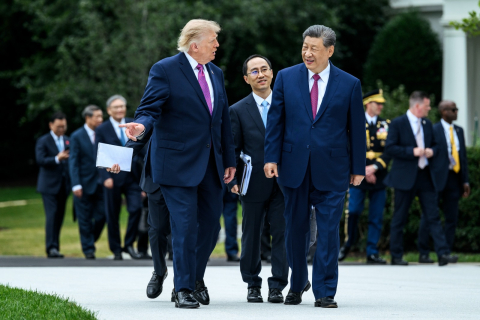
The United States, China and the Derisking Race in a Moment of “strategic stability”
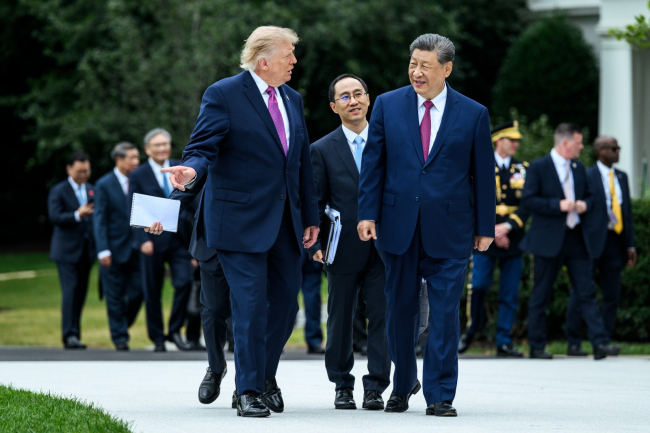
For nearly a decade, relations between Washington and Beijing have been shaped by a contest over technology, supply chains, and the terms of economic interdependence. In The Derisking Race, Aaron Friedberg examines how this contest has moved well beyond tariffs and trade disputes toward a structural realignment of the global economy, in which both powers seek to reduce their exposure to one another even as the costs of doing so become harder to ignore.