



Practical information
These luncheons debates are exlusively dedicated to corporate members and individual benefactor members or Ifri. By personal invitation.
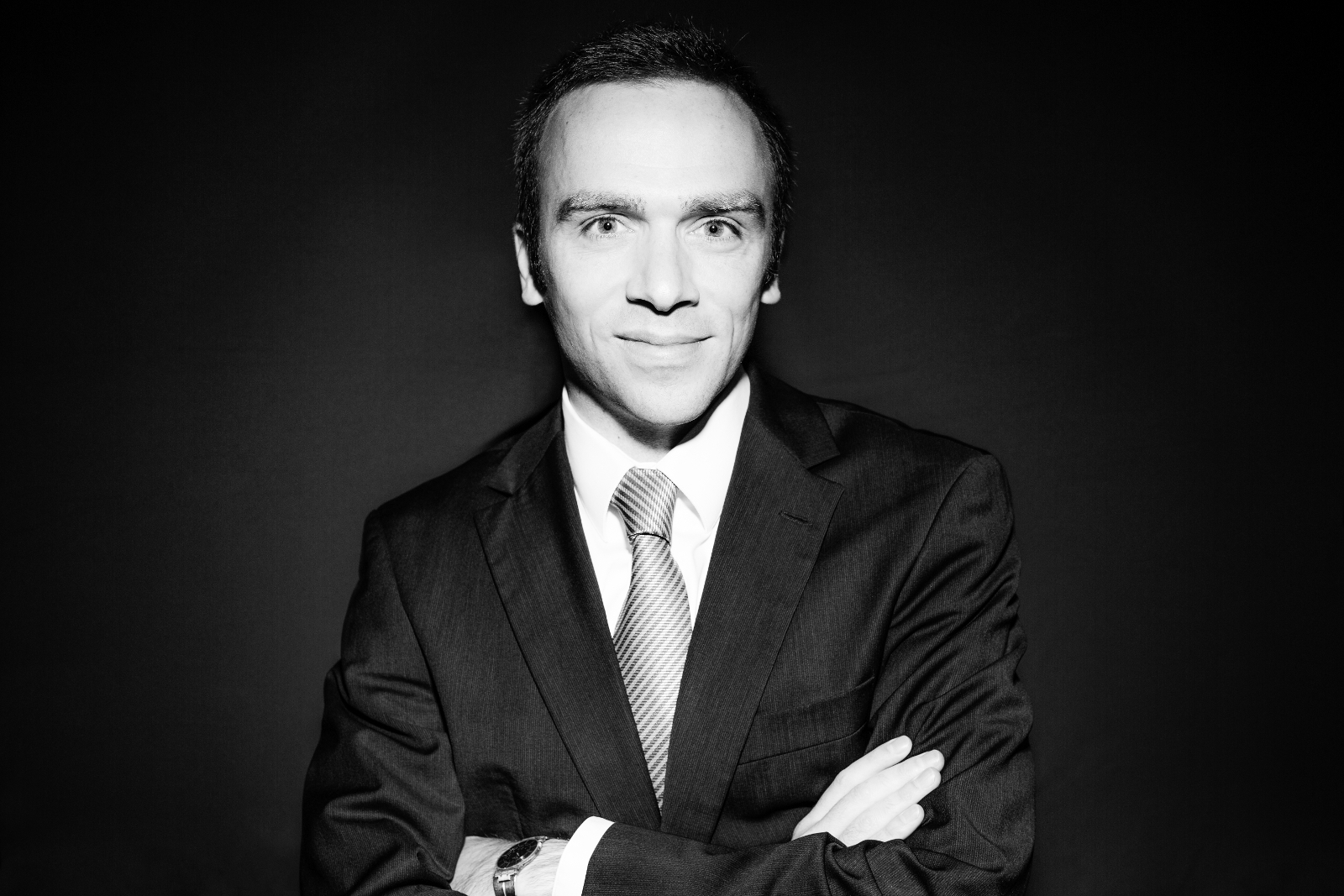
A luncheon-debate with Marc HECKER, research fellow at Ifri's Security Studies Center and the deputy editor of Politique étrangère.
The terrorist threat is particularly high in France. More than three thousand Westerners left for jihad in Syria and Iraq. Among them, the French are the most important part. In the past, French authorities faced other jihadist networks, but the phenomenon reaches today its higher point. We intend to examine its political and economic consequences as well as on the measures to be taken to stop it.
This luncheon is supported by

Speakers

Our team

Marc HECKER
Directeur exécutif de l'Ifri, rédacteur en chef de Politique étrangère et chercheur au Centre des études de sécurité de l'Ifri

Find out more
Le jihad en Syrie et en Irak: un défi pour la France
Le jihad en Syrie et en Irak a attiré environ 15 000 volontaires étrangers dont 3 000 occidentaux. Parmi ces derniers, de nombreux Français. Les chiffres fournis par le ministère de l’Intérieur en novembre 2014 sont impressionnants : 1132 résidents français étaient alors impliqués dans les filières jihadistes. 376 étaient présents en Syrie ou en Irak, plus de 300 étaient décidés à partir de France, 184 étaient en transit, 199 avaient quitté les zones de guerre (dont 109, de retour en France, avaient été mis en examen) et 49 étaient décédés.
Related Subjects
Other events
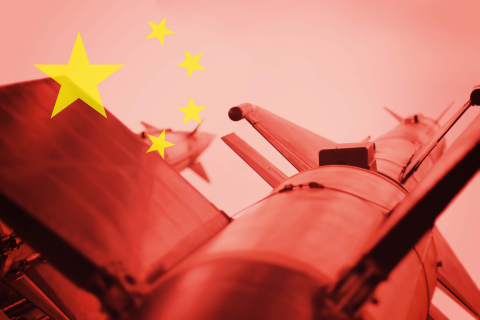
China’s Nuclear Buildup: Developments, Drivers, and Implications for Major-Power Relations and Arms Control
China has been steadily expanding its nuclear arsenal for several years amid levels of geopolitical tension unseen since the end of the Cold War, marked by a resurgence in nuclear proliferation and a broader, global arms race.

Reinventing Coordination in an Age of Fragmentation 3rd Paris Geoeconomic Dialogue
The world economy is being reordered. The certainties of the post-Cold War era, open trade, dollar centrality, predictable multilateral coordination, are giving way to a landscape shaped by rivalry between the United States and China, the weaponization of interdependence, and a scramble to secure supply chains, technologies and critical resources. What once looked like a stable architecture now appears fragile, contested, and in places actively being dismantled.