







Practical information
Themes and regions
Related centers and programs
These luncheon-debates are dedicated to corporate and individual benefactor members. By personal invitation only.

A luncheon-debate with Bobo LO, Associate Research Fellow with the Russia/NIS Center at Ifri
The Russian annexation of Crimea was an important geopolitical turning point. It led to sanctions against Russia, and raised questions about the future design of cooperation. A Russia able to redefine itself as a modern power would exert a critical influence on many issues. But a Russia that rests on an outdated sense of entitlement may end up instead as one of the principal casualties of global transformation. Why is Russia still so important for international stability, crisis management, and global issues?
Chair: Thomas Gomart, Director, Ifri
A debate held in English
This event is organized thanks to the support of

Related Subjects
Other events
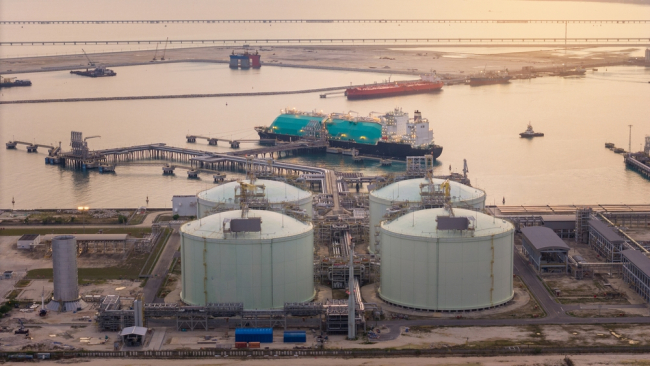
Europe Bracing for a Tough Winter: Prospects for Tighter Oil and Gas Markets
Summer witnessed a sharp escalation in the Russia-Europe confrontation, amidst continued partial closure of Hormuz and major extreme weather events. Oil and gas prices are high, and the price and supply outlooks for Europe this winter are very challenging for oil products, LNG and possibly, electricity markets which see growing contamination from the Hormuz crisis and growing risks of disbalances. Moreover, the phase-out of Russian gas supplies comes with renewed risks.
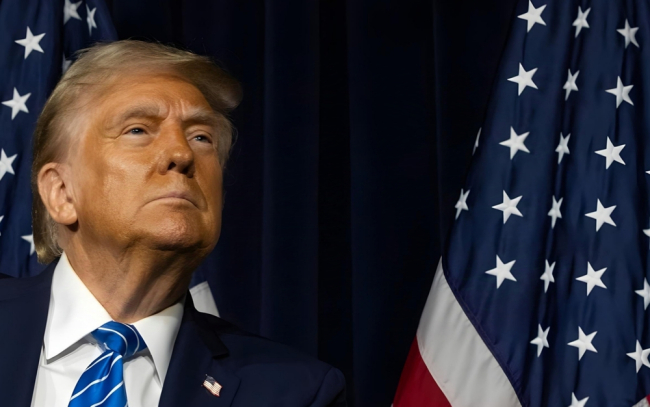
One Month Ahead of the Midterms: Where Is Trump’s America Headed?
The 24th edition of the Ifri Americas Programme Annual Conference will examine the dynamics at play in the United States and their implications for Europe and the transatlantic relationship. will examine the dynamics at play in the United States and their implications for Europe and the transatlantic relationship.
The EU in a World of Economic Warfare: Trade, Geopolitics, and the Battle for Economic Sovereignty
The international trading system has become a primary theatre of geopolitical competition. Tariffs, sanctions, and technology controls have replaced dialogue as the default instruments of economic relations.