




From Signal to Noise, Assessing Nuclear Threats in the Twenty-First Century
Practical information
Accessibility
Themes and regions
Related centers and programs
This is a private event.
Learn more about our corporate support packages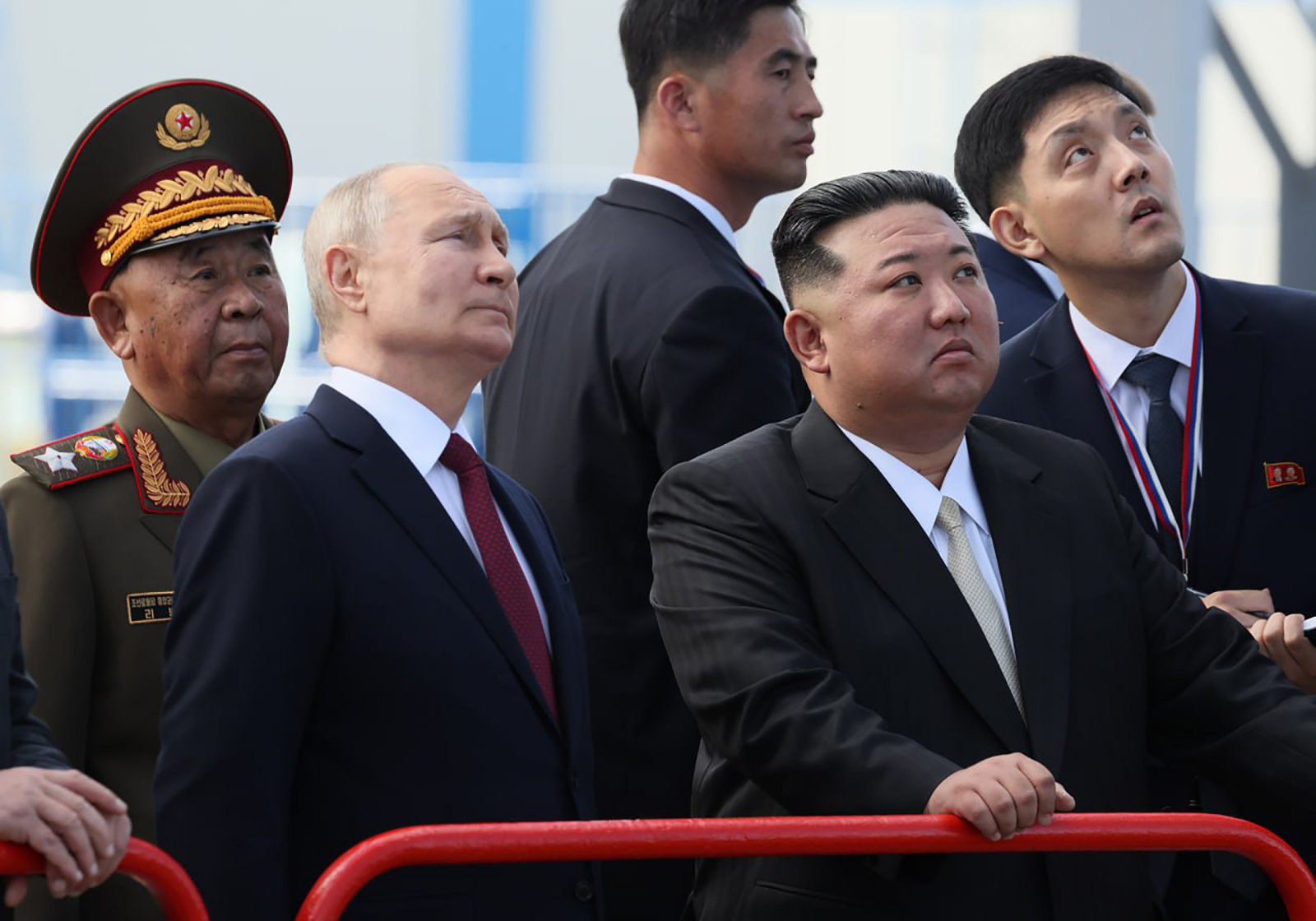
The resurgence of crises involving nuclear-armed states, accompanied by increasingly visible military signaling and forceful rhetoric, has renewed concerns about nuclear risk.
Yet the term “nuclear threat” is often used loosely in public debates, without a clear understanding of what it actually entails. How can observers distinguish between deterrent signaling aimed at shaping an adversary’s perceptions and a credible threat of nuclear use? What indicators help assess the seriousness of a situation and the intentions of political leaders?
This seminar, organized with the Fondation pour la recherche stratégique, will explore the analytical challenges involved in assessing nuclear threats in the twenty-first century. Drawing on recent crises and the evolution of nuclear signaling practices, the discussion will examine the conceptual tools needed to interpret the words and actions of nuclear-armed states, as well as the risks of escalation generated by misperceptions and misunderstandings in contemporary crises.
Speaker:
George Perkovich, Japan Chair and Senior Fellow at the Carnegie Endowment for International Peace, author of "How to Assess Nuclear Threats in the 21st Century" (Carnegie, 2026)
Discussant :
Bruno Tertrais, Deputy Director, Fondation pour la recherche stratégique
Chair:
Héloïse Fayet, Researcher and Head of the Deterrence and Proliferation Program at Ifri
Contact
For any information regarding this event, please contact the Security Studies Centre ([email protected]). Access is only possible to those who have received a personal invitation by email.
Our partners
Related Subjects
Other events
COP31 in Antalaya: State of the Global Climate Governance, Issues, Perspectives
COPs have become a year-end marathon to revigorate a world now entering the era of climate overshoot. While Türkiye exhibits the largest coal-fired power generation in OECD Europe, it has embraced the electrification agenda and aims at joining forces with Australia on fostering action and implementation. This is an unusual de facto co-presidency arrangement, but one that could yield promising results. This webinar will take stock of what climate governance has achieved and of the issues still to be negotiated, and explore what impetus this Turkish–Australian partnership could provide.
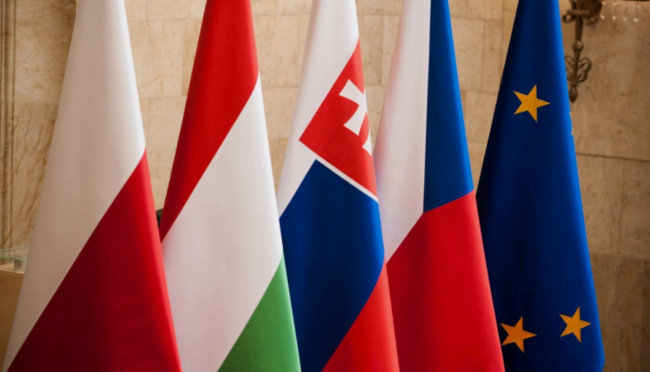
A New Moment for Central Europe? Regional Cooperation in a Time of European Strategic Choices
Recent political developments in Central Europe have revived the debate about the future of regional cooperation and the Visegrád Group. Changes in Hungary, Poland, the Czech Republic and Slovakia, together with Austria’s growing interest in closer cooperation with its neighbours, could create new opportunities for dialogue and coordination around shared priorities.