






Practical information
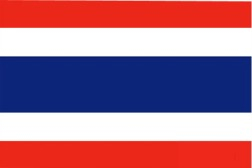
This seminar, co-organized with the Royal Embassy of Thailand, welcomes Prof. Dr. Borwornsak Uwanno, Secretary General of King Prajadhipok's Institute and expert on public law, and Prof. Dr. Surchit Bunbongkarn, President of Thailand's Political Development Council and Professor Emeritus at Chulalongkarn University. It will be presided by Françoise Nicolas, Economist at the Ifri.
The seminar will be held in English.
In recent years, Thailand has crossed a serious zone of political turbulence marked by persistent opposition between the supporters of the former, deposed Prime Minister Thaksin Shinawatra (red shirts), and those opposing him (yellow shirts). Such a situation poses a daunting challenge to the government of the current Prime Minister Abhisit Vejjajiva, itself being rejected by the red shirts. Within this context, fears about the health of King Bhumibol only help to feed uncertainty about the political stability of the country and its future.
The objective of this meeting with two distinguished specialists, both observers and actors of Thailand's political life, is to generate a better understanding of the current political situation in Thailand and of its prospects.
Other events
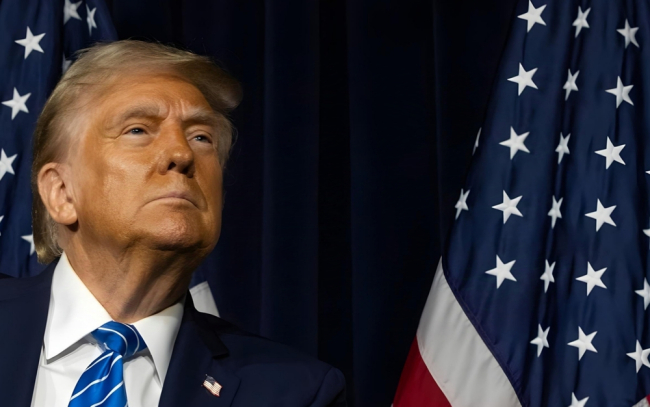
One Month Ahead of the Midterms: Where Is Trump’s America Headed?
The 24th edition of the Ifri Americas Programme Annual Conference will examine the dynamics at play in the United States and their implications for Europe and the transatlantic relationship. will examine the dynamics at play in the United States and their implications for Europe and the transatlantic relationship.
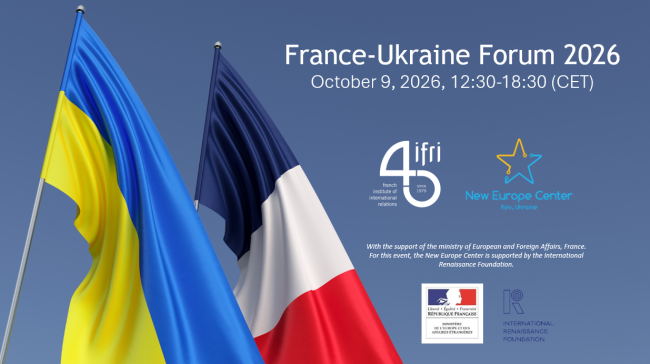
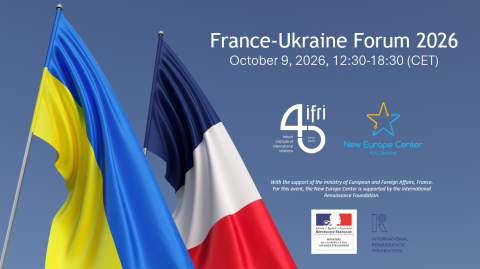
France-Ukraine Forum 2026
More than four and a half years after the start of the full-scale war launched by Russia against Ukraine, the 2026 France-Ukraine Forum will bring together policymakers, experts, academics, and civil society representatives from both countries to discuss three main topics: the formats and conditions for a lasting diplomatic settlement; Ukraine’s Euro-Atlantic integration, encompassing both the EU accession process and closer ties with NATO; and the societal transformations of postwar Ukraine, as well as its prospects for reconstruction.
The EU in a World of Economic Warfare: Trade, Geopolitics, and the Battle for Economic Sovereignty
The international trading system has become a primary theatre of geopolitical competition. Tariffs, sanctions, and technology controls have replaced dialogue as the default instruments of economic relations.