




Practical information
This seminar welcomes Ms. Teresa Cheng, Senior Counsel, Chartered Engineer, Chartered Arbitrator and Accredited Mediator. Ms. Cheng will speak on the role of Hong Kong in EU-China trade/commercial dispute resolution.
Ms. Cheng is the Vice President of the ICC International Court of Arbitration, Vice Chairperson of Hong Kong International Arbitration Centre (HKIAC), and was elected Vice President of the International Council of Commercial Arbitration (ICCA) in May 2010. She has been involved in arbitrations in Hong Kong, Mainland China, London, Stockholm, Singapore and Taiwan etc. under the rules of various institutions, and has also provided expert reports to arbitral tribunals and foreign courts on legal issues in international arbitrations and litigation.
This seminar will be chaired by Françoise Nicolas, Director of the Ifri Center for Asian Studies.
The seminar will be held in English.
Other events
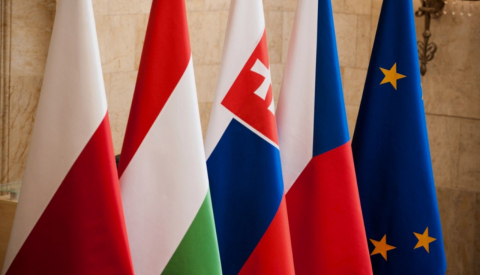
A New Moment for Central Europe? Regional Cooperation in a Time of European Strategic Choices
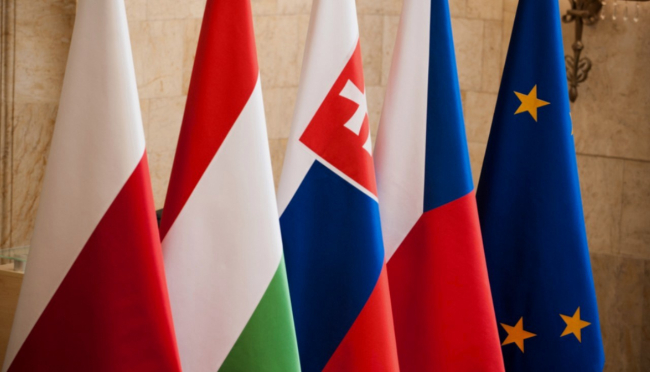
Recent political developments in Central Europe have revived the debate about the future of regional cooperation and the Visegrád Group. Changes in Hungary, Poland, the Czech Republic and Slovakia, together with Austria’s growing interest in closer cooperation with its neighbours, could create new opportunities for dialogue and coordination around shared priorities.
China’s Nuclear Buildup: Developments, Drivers, and Implications for Major-Power Relations and Arms Control
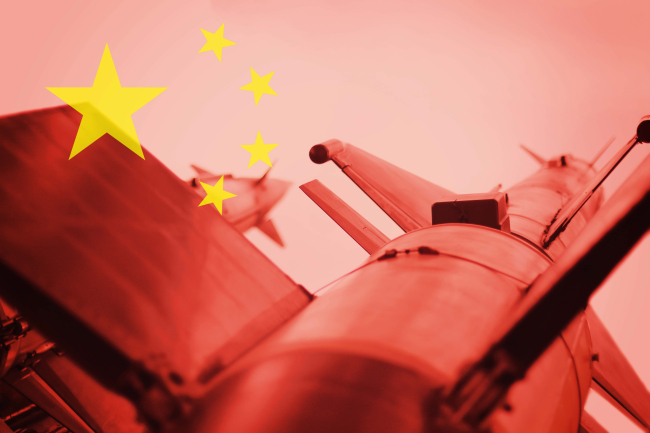
China has been steadily expanding its nuclear arsenal for several years amid levels of geopolitical tension unseen since the end of the Cold War, marked by a resurgence in nuclear proliferation and a broader, global arms race.

Reinventing Coordination in an Age of Fragmentation
The world economy is being reordered. The certainties of the post-Cold War era, open trade, dollar centrality, predictable multilateral coordination, are giving way to a landscape shaped by rivalry between the United States and China, the weaponization of interdependence, and a scramble to secure supply chains, technologies and critical resources. What once looked like a stable architecture now appears fragile, contested, and in places actively being dismantled.