





The European space sector in a context of international competition
Practical information
Themes and regions
Related centers and programs
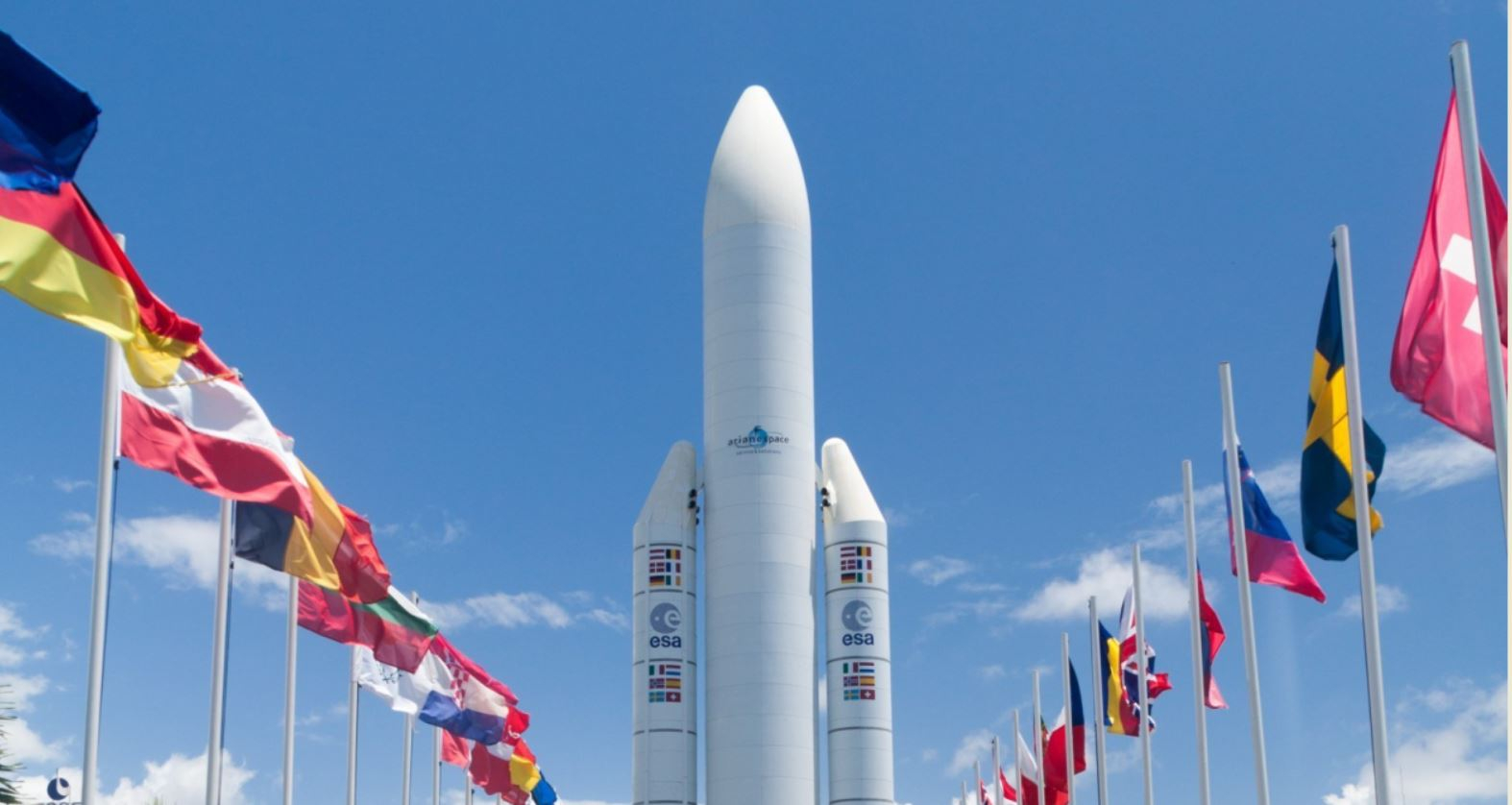
The access to space sector is no longer limited to the historic pioneers of the space adventure nor to the sole states. Exploration projects stimulate imagination and national narratives and trigger important investments in ambitious innovative projects.
The digital transition implies an increased recourse to solutions based in space, and connectivity constitutes a major challenge for the competitiveness of our industry and services as well as the development of data storage capacities.
In this rapidly changing context the European Union is confronted to a triple challenge: to be successful with digital transformation can Europe afford to neglect the space dimension? What kind of adaptation is necessary to its model? In how far is it necessary to adjust its governance to meet its aims?
10:00-10:30 Opening
Thomas Gomart, Director of the Ifri
Hans-Dieter Lucas, Ambassador of Germany in Paris
Teresa Castaldo, Ambassador of Italy in Paris
10:30-11:30 Session 1: Main challenges of the international space competition
Based on the work realized during the first phase of the initiative, this session aims at debating about the transformation of the international space industry, against the backdrop of digitization, the emergence of New Space in the United States, the rise of China as a fully-fledged space actor and questions relating to the evolutions of the Russian space sector.
Moderation: Eric-André Martin, Coordinator of the European Space Governance Initiative, Ifri; General Secretary of the Study Committee on Franco-German Relations (Cerfa), Ifri
Speakers
Marc Julienne, Fellow researcher, Center for Asian Studies, Ifri
Torben Schütz, Fellow researcher, DGAP
Florian Vidal, Fellow researcher, Centre for Russia / NIS, Ifri
Q&A
11:40-12:40 Session 2: Lessons learnt for the European space model
This session aims at debating the consequences for the European Union of a tough international competition. Can the EU afford to stay aside debates about connectivity without putting at risk the success of its digital transition and the credibility of its ambitions as regards digital sovereignty? Which adjustments to its economic model are needed?
Moderation: Jean-François Bureau, President, IO Conseil
Speakers
Jean-Pierre Darnis, Fellow researcher, Istituto Affari Internazionali (IAI)
Augusto Gonzalez, Counselor for international affairs and economic diplomacy, DG DEFIS
Olivier Lemaître, Director ASD-Eurospace
Géraldine Naja, Head of Industrial Policy and Audit Department, European Space Agency
Q&A
Closing: Eric-André Martin, Coordinator of the European Space Governance Initiative, Ifri; General Secretary of the Study Committee on Franco-German Relations (Cerfa), Ifri
Webinar organized by the Study Committee on Franco-German Relations (Cerfa) at the French Institute of International Relations (Ifri) with the support of the Embassies of Germany and Italy to France.
This event will be held via Zoom, will be broadcasted in French and English and translated simultaneously.
Upon invitation only.
Speakers

Our team

Thomas GOMART
Director of Ifri

Éric-André MARTIN
Former Secretary General of the Study Committee on Franco-German Relations (Cerfa), Ifri

Marc JULIENNE
Director, Center for Asian Studies, Ifri

Florian VIDAL
Former Associate Research Fellow, Russia/Eurasia Center, Ifri
External contributor(s)

Torben SCHÜTZ
Jean-François BUREAU
Jean-Pierre DARNIS




Find out more
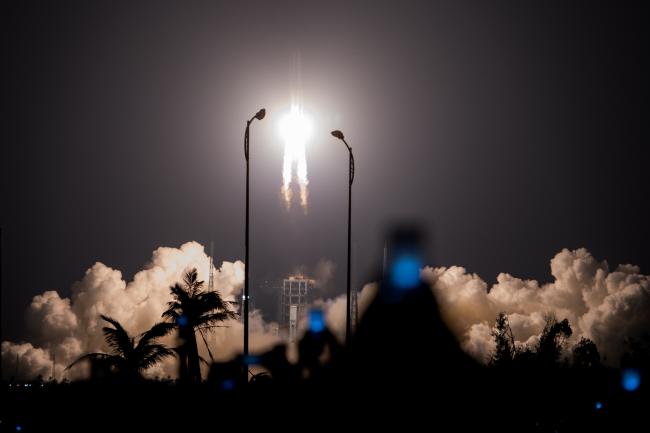
China's Ambitions in Space: The Sky's the Limit
From the dawn of China’s space program in the mid-1950s to the ability to build, launch and operate satellites in low Earth and geosynchronous orbits from the 1980s, the People’s Republic of China (PRC) is in 2021 a complete space power with autonomous access to outer space and to deep-space exploration.

Russia’s Space Policy: The Path of Decline?
With the advent of New Space, Russia is engaged in a race against time to preserve one of its major industrial assets.
Space as a Key Element of Europe's Digital Sovereignty
At the end of year 2020, the European space sector finds itself at a crossroads between challenges and opportunities. While the 2019 European Space Agency (ESA) Ministerial Conference marked a progression in terms of budgets, a sign of renewed space ambitions, the technological and financial acceleration from the United States represents a disruptive scenario that poses threats to the continuity of European space capabilities.
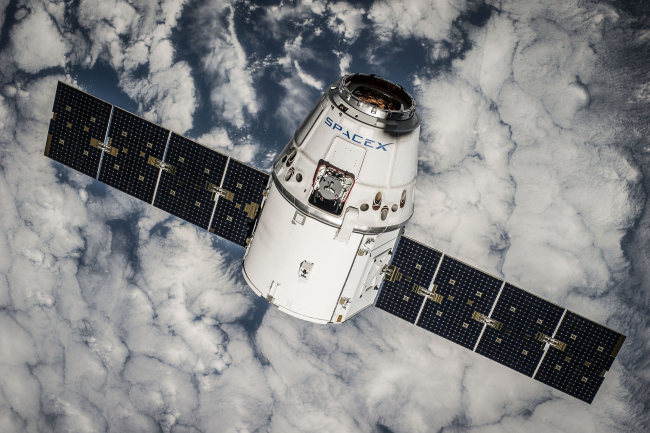
Revolutionary by Design: The US National Security State and Commercialization in the US Space Sector
The US space sector, comprised of its government organizations and its commercial industry, is leading the revolution in space, often called "new space".
Related Subjects
Other events

One Month Ahead of the Midterms: Where Is Trump’s America Headed?
The 24th edition of the Ifri Americas Programme Annual Conference will examine the dynamics at play in the United States and their implications for Europe and the transatlantic relationship. will examine the dynamics at play in the United States and their implications for Europe and the transatlantic relationship.
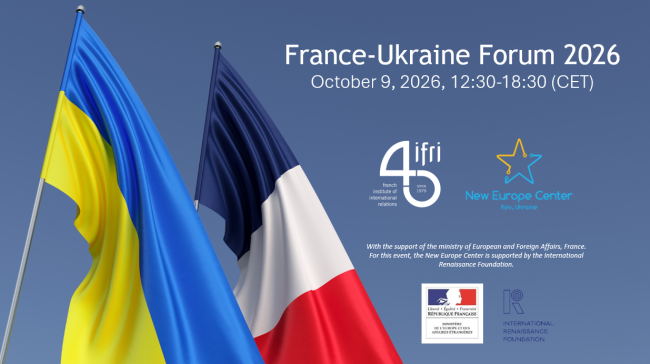
France-Ukraine Forum 2026
More than four and a half years after the start of the full-scale war launched by Russia against Ukraine, the 2026 France-Ukraine Forum will bring together policymakers, experts, academics, and civil society representatives from both countries to discuss three main topics: the formats and conditions for a lasting diplomatic settlement; Ukraine’s Euro-Atlantic integration, encompassing both the EU accession process and closer ties with NATO; and the societal transformations of postwar Ukraine, as well as its prospects for reconstruction.

The EU in a World of Economic Warfare: Trade, Geopolitics, and the Battle for Economic Sovereignty
The international trading system has become a primary theatre of geopolitical competition. Tariffs, sanctions, and technology controls have replaced dialogue as the default instruments of economic relations.