







Practical information
While Russia and the United States have enjoyed record high export prices for their gas and competitive supplies at home, Europe, alongside other importers, has suffered from record gas bills and physical supply restrictions.
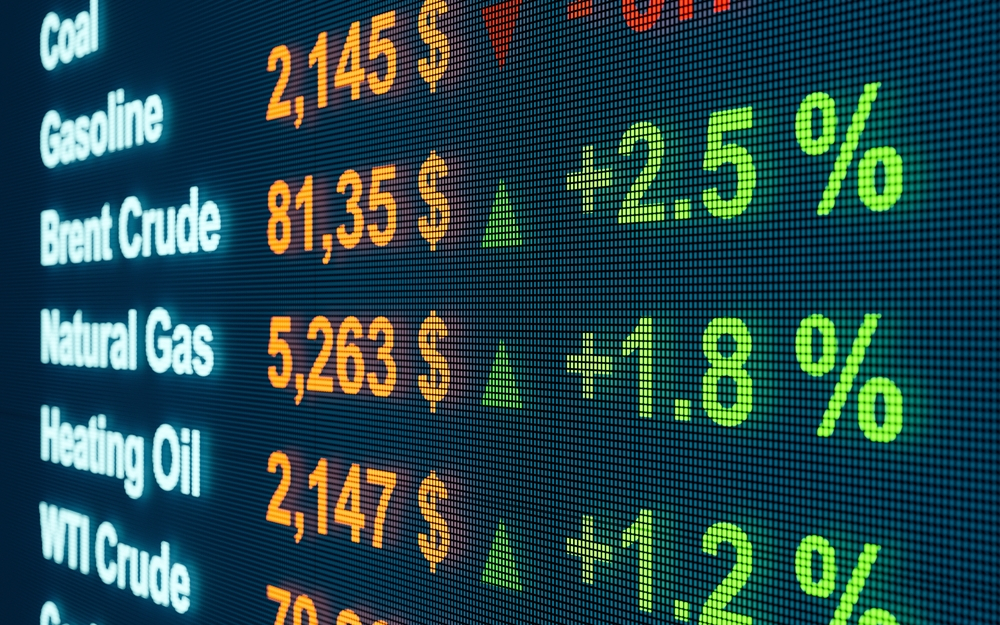
The situation is complex with multiple supply, demand and trade aspects coming into play, and has spilled over to electricity markets in Europe, which were already under strain by lower wind and nuclear generation. To say the least, Europe has been hit by a perfect storm of gas market economics, weather and geopolitics at the time of the recovery, Fit-for-55 acceleration and critical elections in Germany and France.
This webinar will lay out the global picture to discuss what can be expected in 2022 and onwards in times of high volatility and uncertainties.
- Back to the 2000s: gas supply security in tatters and dash for coal: Marc-Antoine Eyl-Mazzega, Director, Center for Energy & Climate, Ifri
- Will the coal demand surge last and what will be the impact on gas markets? Sylvie Cornot-Gandolphe, Associate Fellow, Ifri
- China’s recovery in 2022: more gas imports or will coal bounce back? Kevin Tu, non-resident Associate Fellow, Ifri
- Russia’s gas supplies and exports: will higher exports allow to replenish European storages? Tatiana Mitrova, Director of Research, Skolkovo Energy Center
- A new Atlantic supply corridor: US LNG to the rescue? Leslie Palti-Guzman, President, Gas Vista
Chair: Carole Mathieu, Head of EU Policies, Center for Energy & Climate, Ifri
Find out more
The Energy Price Crises: A Reality Check for Europe’s Green Deal
On its path to carbon neutrality, the European Union (EU) will be exposed to growing energy price volatility and vulnerable to Russian and Chinese pressure on supply and demand.
Other events
France-Ukraine Forum 2026
More than four and a half years after the start of the full-scale war launched by Russia against Ukraine, the 2026 France-Ukraine Forum will bring together policymakers, experts, academics, and civil society representatives from both countries to discuss three main topics: the formats and conditions for a lasting diplomatic settlement; Ukraine’s Euro-Atlantic integration, encompassing both the EU accession process and closer ties with NATO; and the societal transformations of postwar Ukraine, as well as its prospects for reconstruction.
The EU in a World of Economic Warfare: Trade, Geopolitics, and the Battle for Economic Sovereignty
The international trading system has become a primary theatre of geopolitical competition. Tariffs, sanctions, and technology controls have replaced dialogue as the default instruments of economic relations.
The Road to 27 Electrification Action Plans: Planning and Investing in Europe’s Electric Future
The European Commission’s Electrification Action Plan places the continent on an electric path to structurally reduce dependence on fossil fuel imports and boost the energy transition in industry, transport and buildings.