




Practical information
Join us on January 28 for an in-depth discussion on the tasks and challenges facing the EU"s new leaders as they take charge following the 2014 elections to the European Parliament. For the fifth year running, ten leading Brussels-based think tanks will join forces to debate the EU"s future including issues such as the Banking Union, the rise of populist movements across Europe and the EU"s main foreign and defence policy goals.
Jointly organised by the Bertelsmann Stiftung, Bruegel, the Centre for European Policy Studies (CEPS),Confrontations Europe, the Egmont Institute, the European Policy Centre (EPC), Friends of Europe - Les amis de l"Europe, the Institut français des relations internationales (Ifri), Madariaga - College of Europe Foundation and the Stiftung Wissenschaft und Politik (SWP), the Brussels Think Tank Dialogues are annual policy forums for critical reflection on the state of the EU and the joint development of analysis and recommendations to improve EU policies. The Dialogues are designed to address pressing political concerns as well as to offer recommendations on specific issues.
Please use this link to see the full programme and to register. You can also follow #BTTD14 for all updates.
Find out more

Challenges ahead for Global Europe
The year ahead will be critical in determining the European Union’s standing on the global stage.
Other events
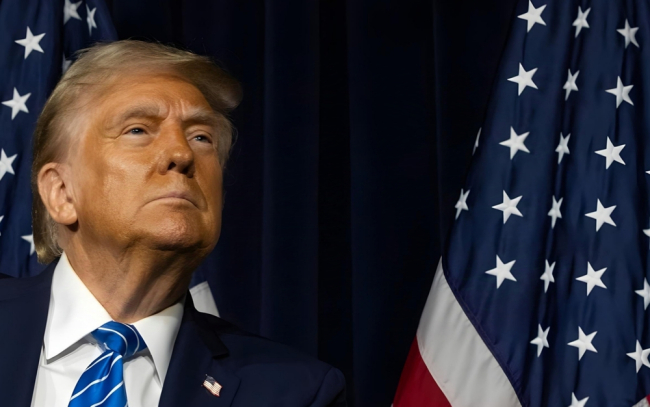
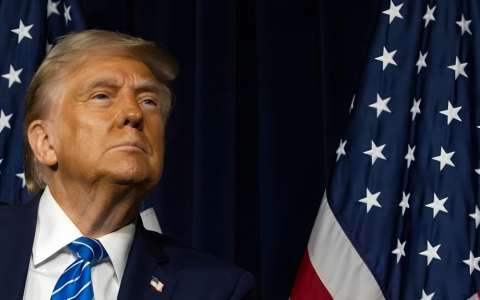
One Month Ahead of the Midterms: Where Is Trump’s America Headed?
The 24th edition of the Ifri Americas Programme Annual Conference will examine the dynamics at play in the United States and their implications for Europe and the transatlantic relationship. will examine the dynamics at play in the United States and their implications for Europe and the transatlantic relationship.
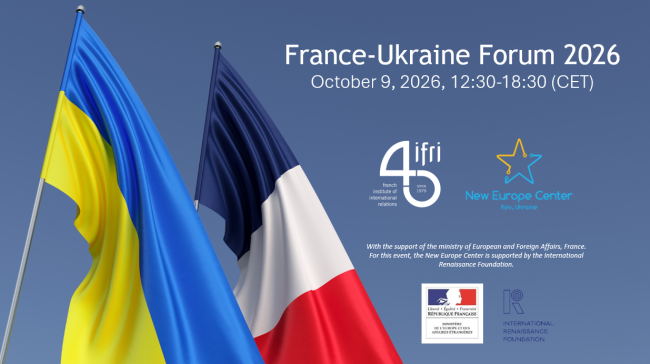
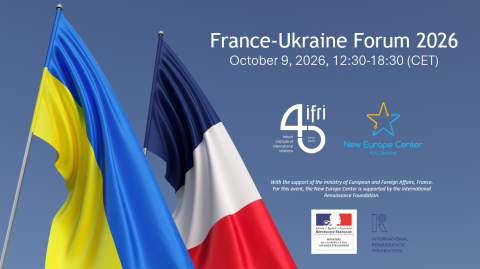
France-Ukraine Forum 2026
More than four and a half years after the start of the full-scale war launched by Russia against Ukraine, the 2026 France-Ukraine Forum will bring together policymakers, experts, academics, and civil society representatives from both countries to discuss three main topics: the formats and conditions for a lasting diplomatic settlement; Ukraine’s Euro-Atlantic integration, encompassing both the EU accession process and closer ties with NATO; and the societal transformations of postwar Ukraine, as well as its prospects for reconstruction.
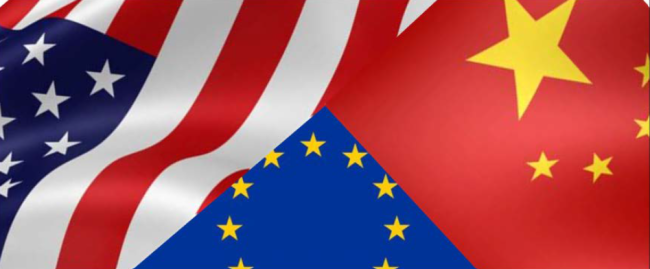
The EU in a World of Economic Warfare: Trade, Geopolitics, and the Battle for Economic Sovereignty
The international trading system has become a primary theatre of geopolitical competition. Tariffs, sanctions, and technology controls have replaced dialogue as the default instruments of economic relations.